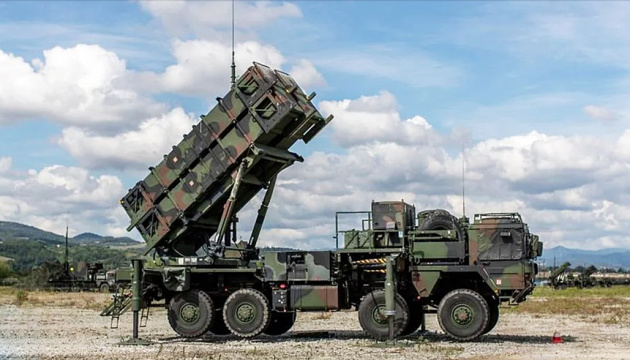
Colonel Yuriy Ignat of the Ukrainian Air Force warned that some air-defense systems are sometimes unmanned or unable to reload during intense, massed Russian strikes, leaving gaps in protection for cities and critical infrastructure. He highlighted attacks involving extremely large salvoes — including a recent January 20 strike reported as comprising a Zircon anti-ship missile, 18 Iskander-M/S-300 ballistic missiles, 15 Kh-101 cruise missiles and 339 drones — and noted that even a high intercept rate (e.g., 80%) leaves enough warheads to inflict severe damage on power plants and other strategic targets, underscoring persistent operational vulnerabilities and elevated geopolitical risk.
Market structure: Winners are large defense primes (Lockheed Martin LMT, Raytheon/RTX, Northrop Grumman NOC) and specialized air‑defense/drone countermeasure suppliers (Elbit ESLT, Kongsberg KOG.OL) as demand for interceptors and reloads outstrips capacity; expect order‑book growth of +5–20% across primes in 6–12 months and pricing power on urgent FMS/spot buys. Losers include civilian infrastructure owners in Ukraine, European airlines (IAG/AAL exposure) and insurers facing elevated loss ratios; short‑term stress should widen credit spreads for Ukrainian/EM exposure and push safe‑haven flows into USD and gold.
Risk assessment: Immediate (days) risk is commodity and FX volatility—oil/gas +3–8% and RUB weakening on escalation; short‑term (weeks–months) risks center on supply‑chain bottlenecks (missile motors, guidance chips) and US/EU appropriation votes in the next 30–60 days that determine funding scale. Tail risks: NATO entanglement or major infrastructure hits could trigger >10% equity drawdowns and prolonged commodity shocks. Hidden dependency: U.S. Congress approval cadence and prime subcontractor capacity, not the headline order size, will cap revenue recognition.
Trade implications: Establish tactical long exposure to primes (LMT/RTX) and system integrators (ESLT) for 6–18 months, sized small (1.5–3% each) while using 3–6 month call spreads to limit upfront cost; pair long defense vs short airlines (long RTX, short AAL) for relative safety. Hedge macro with 1–2% GLD and use options straddles on XLU or regional utility names only if large‑scale strikes hit critical infrastructure; exit on +25–35% move or after 12 months if backlog growth normalizes.
Contrarian angles: Consensus assumes smooth ramp of missile production; reality is multi‑year bottlenecks—companies that can vertically integrate motor/guidance (smaller suppliers) may be underpriced. Reaction may be partly priced in for majors—look for mispricings in mid‑cap subsystem names (e.g., AVAV for tactical drones) that trade >30% below replacement value. Unintended consequence: rapid re‑armament increases competition for skilled labor and components, pressuring margins in year 2 unless CAPEX is funded now.
AI-powered research, real-time alerts, and portfolio analytics for institutional investors.
Request DemoOverall Sentiment
strongly negative
Sentiment Score
-0.60
