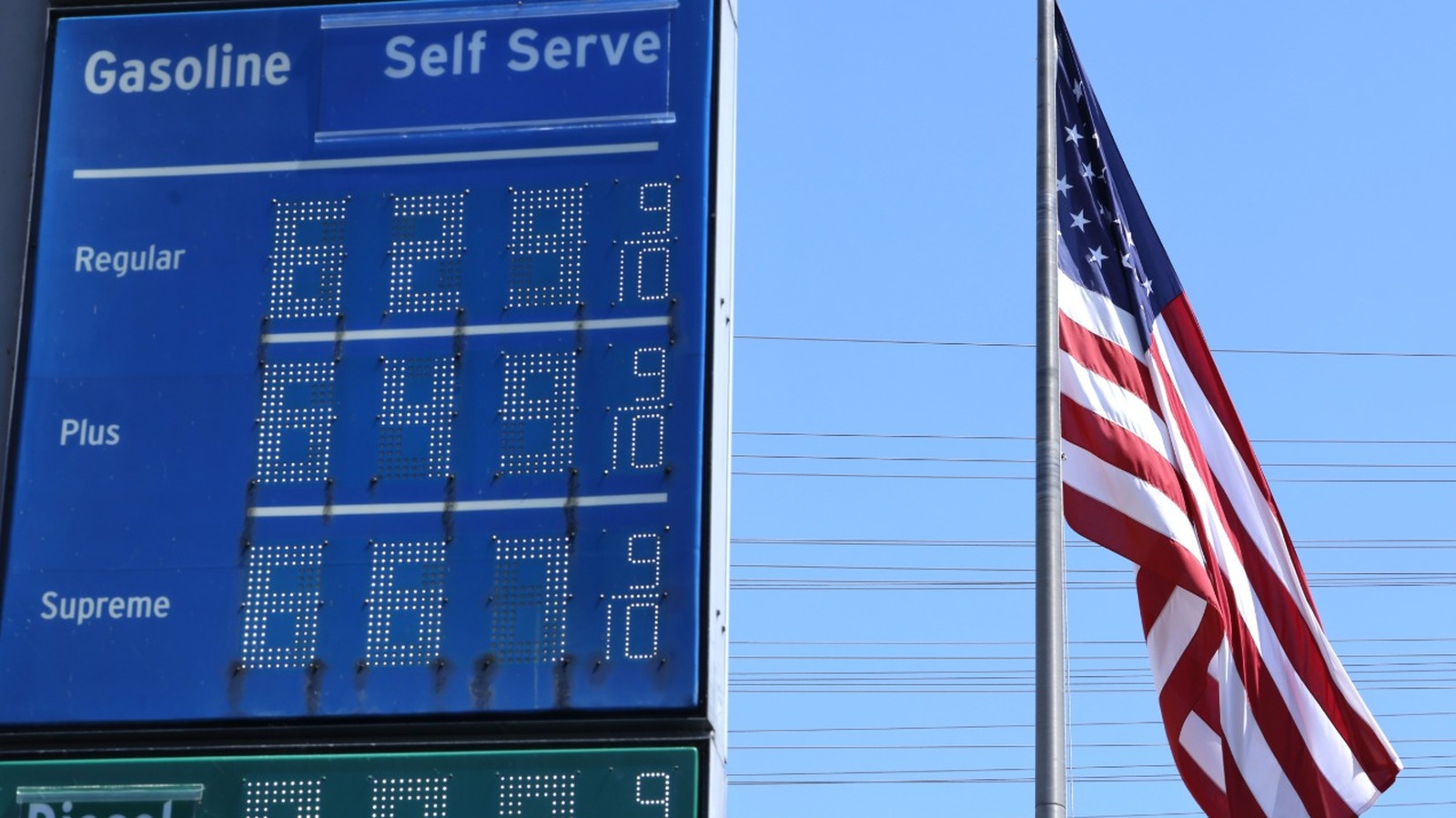
U.S. gas prices remain elevated despite domestic oil production because 40% of oil reaching U.S. refineries comes from foreign sources and global crude is priced as an interconnected commodity. The article argues that Middle East conflict, supply disruptions, and trader behavior can quickly lift oil prices while gasoline declines slowly under the "Rockets and Feathers" dynamic. It is an explanatory piece rather than a new market-moving event, but it reinforces the sensitivity of energy prices to geopolitical risk and global supply flows.
The main market implication is not “oil up, gasoline up,” but a widening dislocation between upstream price discovery and downstream margin capture. Because U.S. refining is constrained by crude slate compatibility and logistics, the first-order beneficiary of any supply shock is not necessarily the domestic producer complex; it is the owners of refining bottlenecks and the midstream assets that can arbitrage regional spreads. That means the trade is less about broad energy beta and more about relative value inside the energy stack.
The second-order effect is demand shaping. Higher pump prices act like a tax on lower-income consumers within days, but the real macro drag shows up over 4-12 weeks through fewer discretionary miles, slower retail traffic, and weaker small-ticket spending. That creates a hidden short on consumer cyclicals, logistics, and suburban retail before it ever feeds into headline recession risk.
The article also implies the rally in gasoline can overshoot fair value because market participants front-run replacement costs. That tends to create a “price spike, demand shock, then margin normalization” sequence. If the geopolitical premium fades without a physical disruption, gasoline can mean-revert faster than crude because the retail channel is structurally slow to lower prices but quick to pass through increases; that leaves downstream pricing power temporarily inflated and vulnerable once buyers stop panic-filling.
The contrarian view is that the market may be overestimating how persistent the shock is unless there is a genuine choke point in seaborne flows. A headline-driven move in crude can unwind sharply if inventories remain adequate and shipping lanes stay open, but the consumer signal is still worth respecting because the macro damage comes with a lag. In other words: the best risk/reward is not chasing the commodity spike, but owning the bottlenecks and shorting the demand-sensitive losers.
AI-powered research, real-time alerts, and portfolio analytics for institutional investors.
Request DemoOverall Sentiment
neutral
Sentiment Score
-0.05
