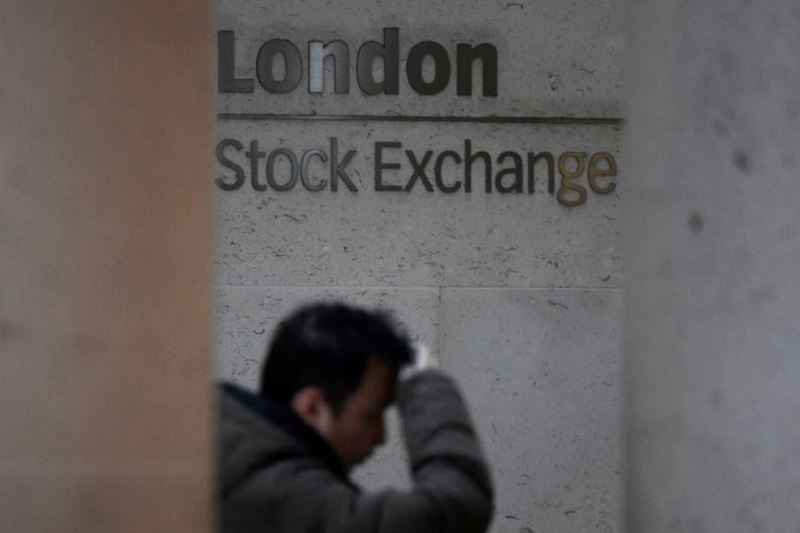
Markets were supported by reports of possible U.S.-Iran direct talks, with the FTSE 100 up 0.03% and GBP/USD rising 0.5% to 1.3566, while European equities also advanced. BP said its oil trading arm is on track for an exceptional Q1 as the Strait of Hormuz blockade and higher crude prices boost trading conditions, offsetting broader Middle East disruption. UK company updates were mixed: AB Dynamics rose about 4% on in-line first-half results, Pagegroup fell more than 6% on a more uncertain outlook, and Imperial Brands reiterated FY26 guidance despite geopolitical risk.
The market is starting to price a higher-probability de-escalation path, but the bigger near-term signal is not peace itself — it is the optionality embedded in transportation and inventory chains. A Hormuz disruption primarily benefits firms with trading books, storage, and supply diversification, while the first losers are refiners and industrial users that cannot pass through feedstock spikes quickly. The second-order effect is that even a short-lived blockade can force procurement changes that persist for months, keeping spot differentials and freight elevated after headline risk fades.
For UK equities, the strongest relative winner is the set of cash-generative defensives with pricing power and low energy sensitivity. Tobacco and large-cap domestic defensives should hold up if the pound stays firm and energy volatility remains elevated, while recruiters and mid-caps exposed to hiring freezes or capex deferrals are more vulnerable as boards respond to geopolitical uncertainty by delaying discretionary spend. In healthcare, the new obesity dosing option expands treatment convenience, but the real investable takeaway is faster regimen adherence and a cleaner weekly-dose proposition for payer discussions, which incrementally improves the addressable market for GLP-1 adoption over the next 12-24 months.
The contrarian risk is that the market is underestimating how quickly peace talk headlines can reverse the entire energy complex. If talks progress, crude could give back a meaningful geopolitical premium in days, and the most crowded long-energy expression becomes vulnerable to an air-pocket move. On the other hand, if the blockade persists for another 1-2 weeks, supply chain stress will likely show up in freight, insurance, and refinery margins before it becomes visible in equities, creating a delayed but sharper re-rating in downstream beneficiaries and trading desks.
AI-powered research, real-time alerts, and portfolio analytics for institutional investors.
Request TrialOverall Sentiment
neutral
Sentiment Score
0.10
