
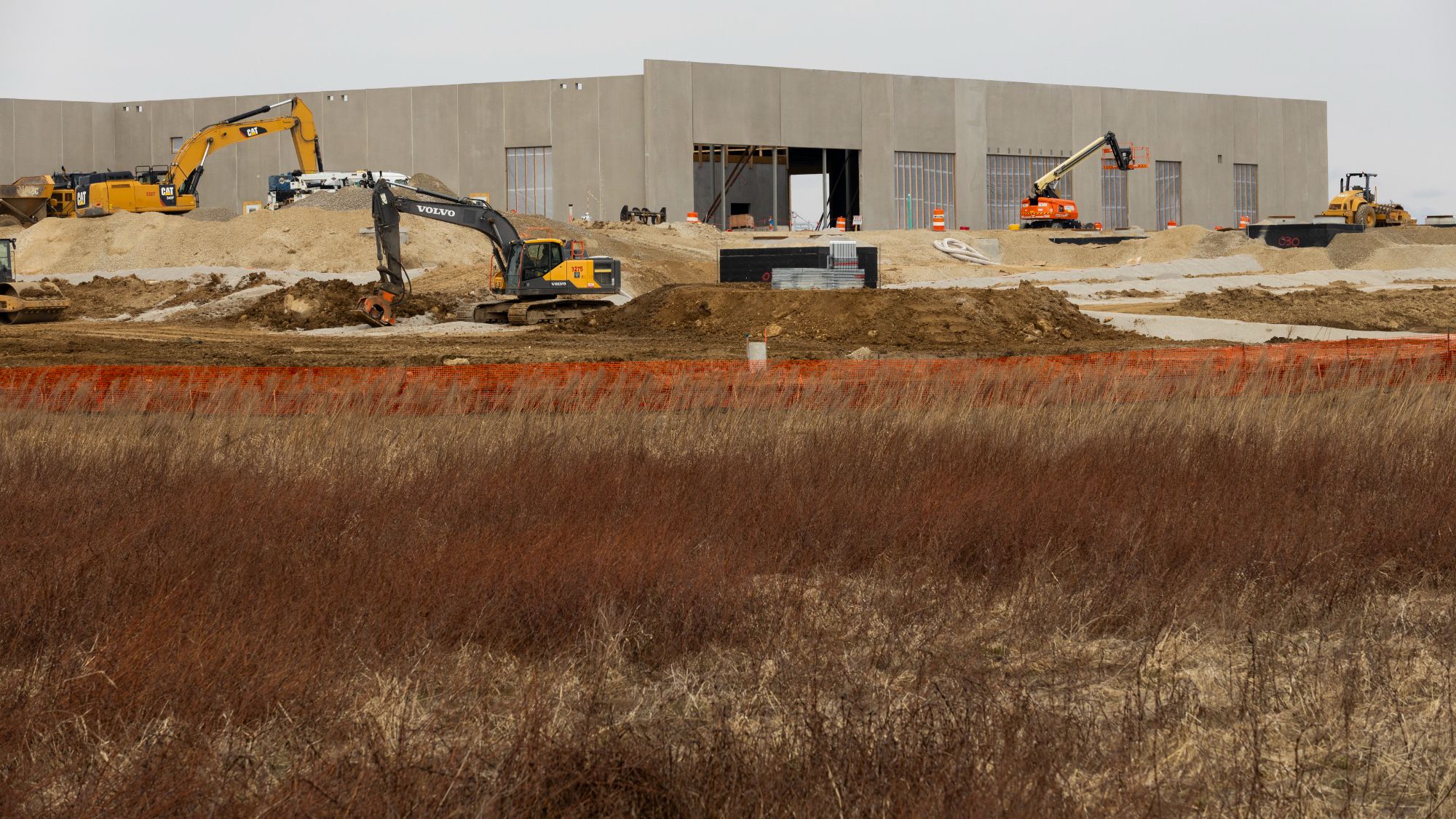
SynMax estimates that 40% of AI data center construction sites may be delayed by more than three months, with several major U.S. projects involving Microsoft, OpenAI, Oracle and SB Energy showing slower-than-expected progress. Satellite imagery suggests some sites may slip from late-2026 delivery into 2027 amid labor shortages, supply chain bottlenecks, utility constraints and permit friction. The companies deny delays, but the report raises execution risk for the AI infrastructure buildout and could pressure investor expectations.
The market is still valuing AI infrastructure as if schedules are mostly a software problem, but the binding constraint is now physical throughput: skilled labor, switchgear, transformers, turbines, and interconnect capacity. That shifts the risk from a clean 2026 revenue inflection to a lumpy 2027-2028 ramp, which matters because the equity story for hyperscalers depends on monetization arriving before depreciation and financing costs outrun utilization. In practice, every quarter of delay reduces the present value of the buildout twice: once through deferred AI capacity and again through higher carrying costs on land, permits, and early-stage equipment orders.
For MSFT and ORCL, the direct hit is less about capex and more about option value on AI supply. If one project slips by 3-6 months, the second-order effect is tighter GPU allocation across the ecosystem, which can temporarily support demand for cloud leasing and co-location, but only if power is available elsewhere. The bigger loser may be the “picks and shovels” cluster tied to rapid site turns—electrical contractors, EPC firms, and utility equipment names—because the bottleneck is increasingly sequencing, not demand.
The contrarian read is that the delay narrative may be bearish near term but bullish for eventual pricing power. Scarcity of power and build capacity could keep AI compute structurally under-supplied, preserving high utilization for existing data centers and supporting hyperscaler pricing discipline once the backlog clears. The risk is that investors are overestimating how quickly delayed capacity turns into incremental earnings; if utilities and permitting remain bottlenecked into 2027, this becomes a duration problem, not a temporary hiccup.
AI-powered research, real-time alerts, and portfolio analytics for institutional investors.
Request TrialOverall Sentiment
moderately negative
Sentiment Score
-0.35
Ticker Sentiment
