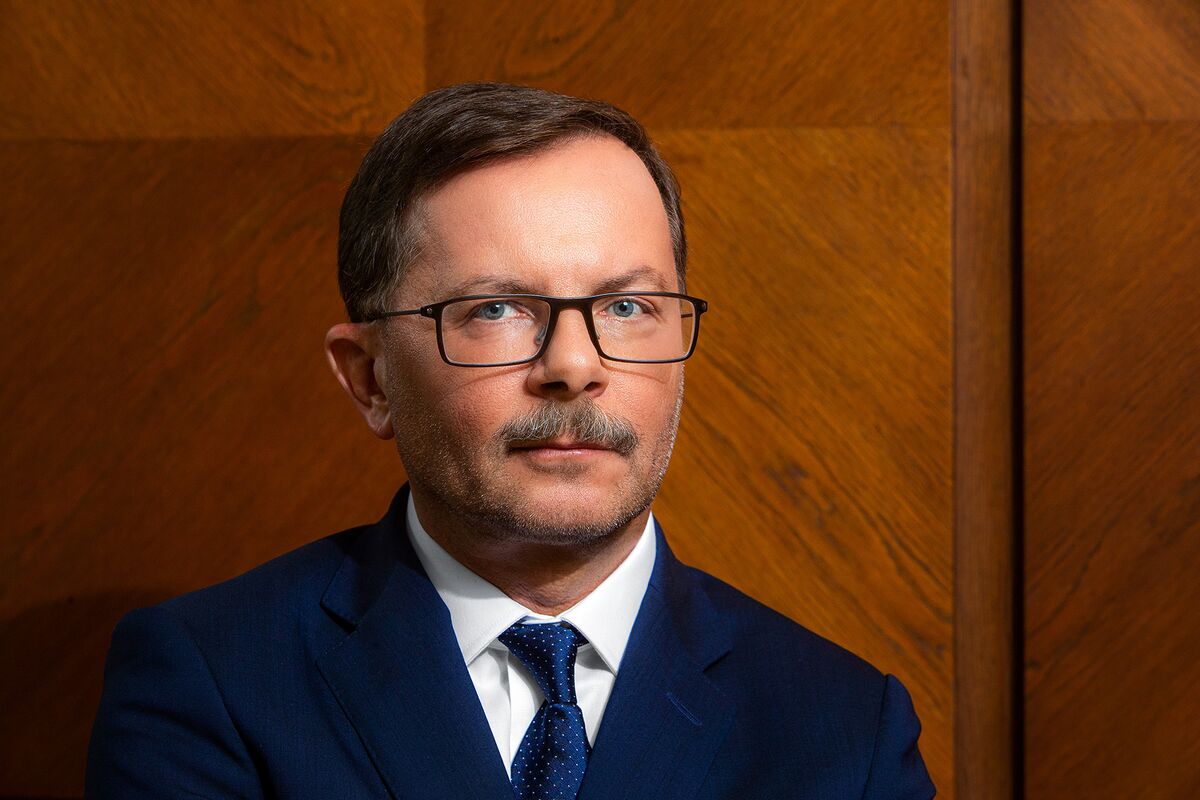
Czech Central Bank Deputy Governor Jan Frait signaled that further interest rate cuts are currently unwarranted due to persistent inflation risks, advocating for a cautious monetary policy approach. This statement, made ahead of next week's policy meeting, reinforces market expectations that Czech borrowing costs will remain on hold for the foreseeable future, pausing the central bank's easing cycle.
A senior Czech central banker has signaled a definitive pause in the country's monetary easing cycle, explicitly citing 'persistent inflation risks' as the rationale for holding off on further interest rate cuts. The statement from Deputy Governor Jan Frait, strategically delivered ahead of the upcoming policy meeting, is set to solidify market expectations that the central bank will keep borrowing costs stable for a period. This represents a hawkish policy stance, prioritizing inflation control over additional economic stimulus. The central bank's cautious tone suggests the threshold for resuming rate cuts is now considerably higher, shifting the near-term outlook for Czech monetary policy toward a holding pattern.
AI-powered research, real-time alerts, and portfolio analytics for institutional investors.
Request DemoOverall Sentiment
Negative
Sentiment Score
-0.40
