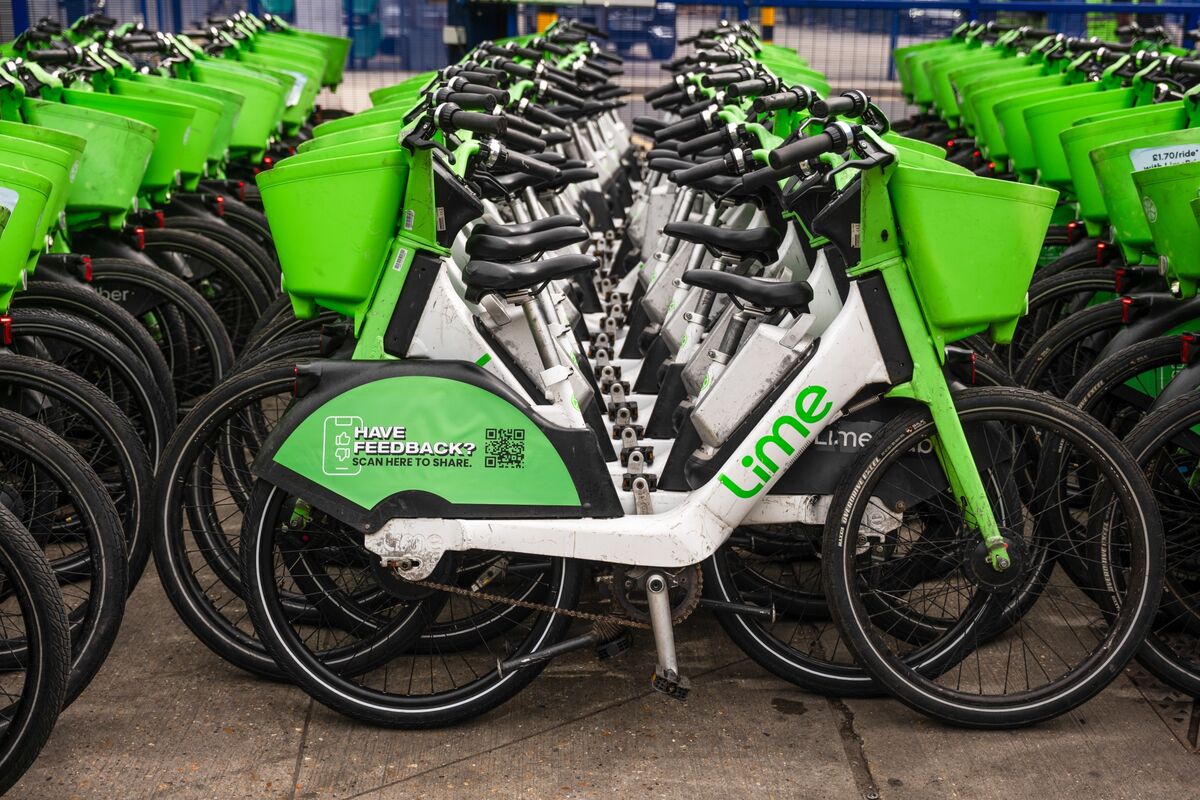
Lime’s IPO raised $174 million, and Neutron Holdings shares jumped 8% after pricing. The stock opened at $27 versus the $25 IPO price, reflecting a positive debut for the operator of Lime electric scooters and bikes. Lime sold 6.68 million shares in the offering, with CEO Wayne Ting and other insiders/shareholders collectively selling 276,731 shares.
This is mostly a sentiment event, not an earnings event, for UBER. Any mark-to-market uplift from an affiliated micromobility IPO is too small to matter against the core valuation drivers: gross bookings growth, take rate, and incremental margin in Mobility/Delivery. The market mechanism to watch is not the IPO proceeds, but whether public-market validation of shared mobility nudges investors to assign a higher optionality value to Uber’s broader platform narrative.
The second-order effect is competitive discipline, not direct revenue lift. A live public comp forces the sector to confront capital intensity, utilization, and regulatory friction in a way private markets often obscure; that can actually cap enthusiasm for the whole category if post-IPO trading weakens. For UBER, the better read-through is that asset-light adjacency can be monetized, but only if the economics are robust enough to survive public scrutiny and seasonal volatility.
Near term, the catalyst window is 1-3 months: lockup dynamics, first post-IPO trading pattern, and any disclosure around stake sales or carrying value. Over 6-18 months, the key question is whether shared mobility can produce durable free cash flow; if not, the IPO becomes a one-off liquidity event rather than a rerating catalyst. The thesis is falsified if Lime demonstrates repeatable operating leverage and narrow cash burn, which would make the ecosystem valuation argument for Uber more credible.
AI-powered research, real-time alerts, and portfolio analytics for institutional investors.
Request DemoOverall Sentiment
mildly positive
Sentiment Score
0.25
Ticker Sentiment
