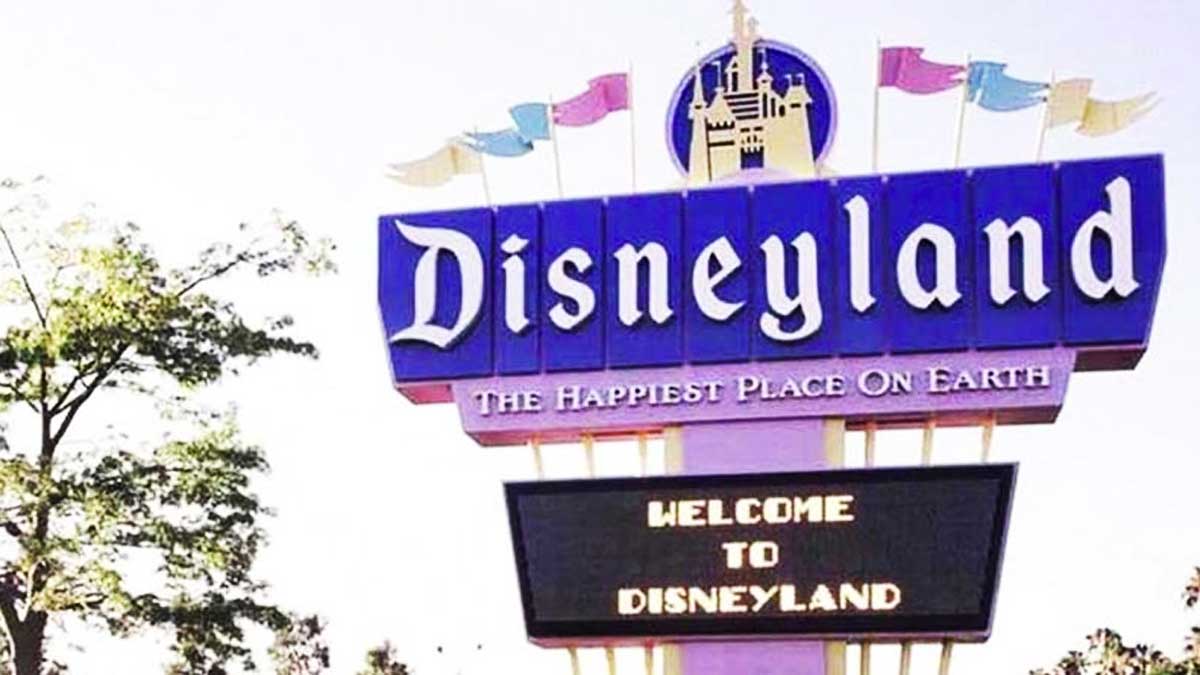
Seven Disneyland cast members were taken to local hospitals after an unknown odor from the Star Tours backstage area, linked to a reaction from contractor-used building materials, prompted medical transport and temporary clearance of nearby onstage areas. Several cast were treated and released on site; seven were sent for evaluation and affected guest areas were expected to reopen within hours. Incident appears operationally limited and short-lived with no immediate financial impact or further details available.
A localized hazardous-materials event at a flagship domestic theme park creates a classic credit-to-operations channel: near-term visitor psychology and operational interruption matter more than treatment costs. Expect a 1–3% same‑day attendance swing concentrated in the local market for 3–14 days, with much of the lost spend either deferred or captured by other park days rather than permanently lost — so calibration of any trade should use a 1–6 week horizon.
Second‑order costs are where the P&L risk sits: incremental vendor screening, ambient air monitoring, and targeted HVAC/filtration upgrades across large park portfolios could create recurring compliance spend. Conservatively model incremental capex/opex of low tens of millions industry‑wide, translating into a ~20–50 basis‑point margin headwind for affected parks if operators accelerate remediation across multiple properties over 3–12 months.
Regulatory and liability catalysts compress into a 30–90 day window: OSHA/health-inspection findings, workers’‑comp claims accruals, and any class‑action legal filings will determine whether this is a contained operational blip or a visible credit/reserve story. The main supplier winners are vendors that sell air‑quality monitoring, filtration retrofits and contractor‑vetting services (building controls, industrial hygienists); insurers face claim timing risk but not underwriting disruption unless the incident reveals systemic contractor negligence. Monitor park‑level daily attendance and short‑dated options IV as early signals of sentiment drift.
AI-powered research, real-time alerts, and portfolio analytics for institutional investors.
Overall Sentiment
mildly negative
Sentiment Score
-0.15
