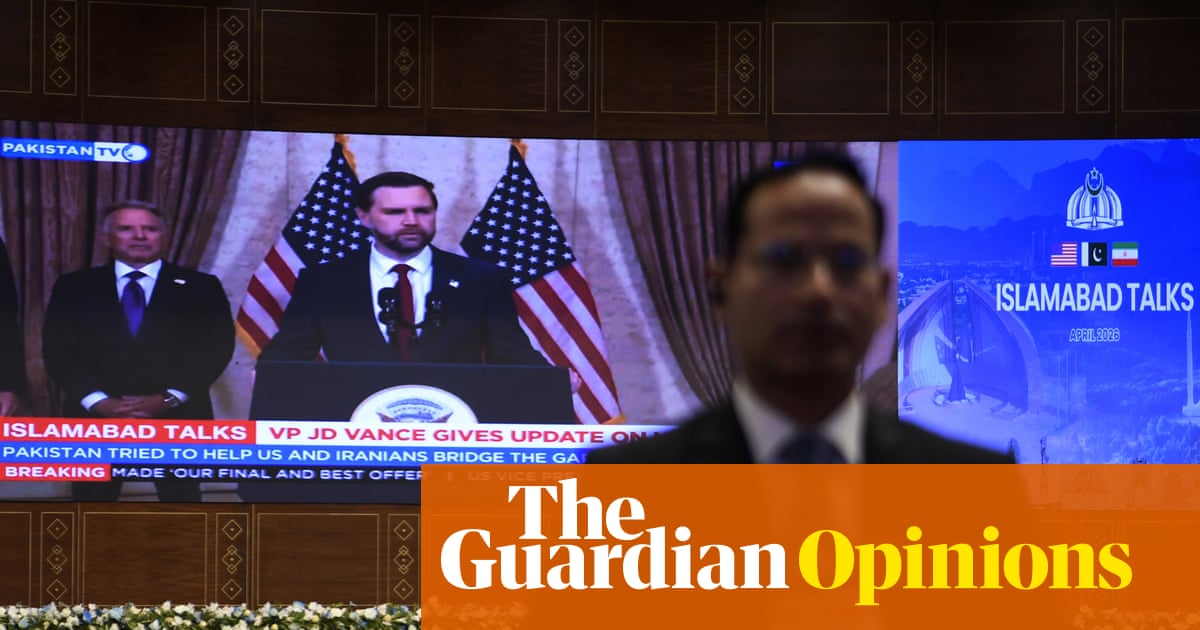
US-Iran ceasefire talks ended in stalemate after 21 hours, while Washington imposed a naval blockade on Iran and the Strait of Hormuz. The article warns that disruption to a route carrying about one-fifth of global oil could push energy prices higher and ripple through oil, gas and financial markets. It also highlights rising risks of naval confrontation, airstrikes and proxy warfare, with no resolution in sight.
The market is moving from an event-risk regime into a duration-risk regime: the first-order shock is energy, but the second-order trade is inflation persistence and policy delay. A sustained disruption in the Gulf would pressure global breakevens, weaken rate-cut expectations, and lift real-vol volatility even if equities initially treat the move as a one-off headline. That is a worse mix for cyclical and long-duration assets than a clean oil spike, because it tightens financial conditions through both the commodity channel and the rates channel.
The most vulnerable assets are not just airlines and refiners; it is also any business with thin input-cost pass-through and high working-capital sensitivity. European chemicals, transport, and consumer staples with emerging-market exposure should underperform as energy and FX squeeze margins simultaneously. Meanwhile, defense and maritime security spending becomes a less cyclical, more durable beneficiary if the conflict migrates into sea-lane protection, surveillance, and missile defense rather than a short-lived airstrike cycle.
The key catalyst window is days to two weeks, not months: shipping insurance, tanker rates, and prompt crude spreads will tell us whether this is priced as nuisance or regime shift. If Iran responds asymmetrically at sea, the market will likely overshoot on the upside in oil before digesting demand destruction; if diplomacy restarts, the unwind could be violent because positioning will have crowded into the disruption trade. The underappreciated contrarian point is that headline strength from escalation may actually improve the odds of a tactical deal if energy pain feeds back into US politics faster than military pressure changes Iranian behavior.
AI-powered research, real-time alerts, and portfolio analytics for institutional investors.
Request DemoOverall Sentiment
strongly negative
Sentiment Score
-0.72
