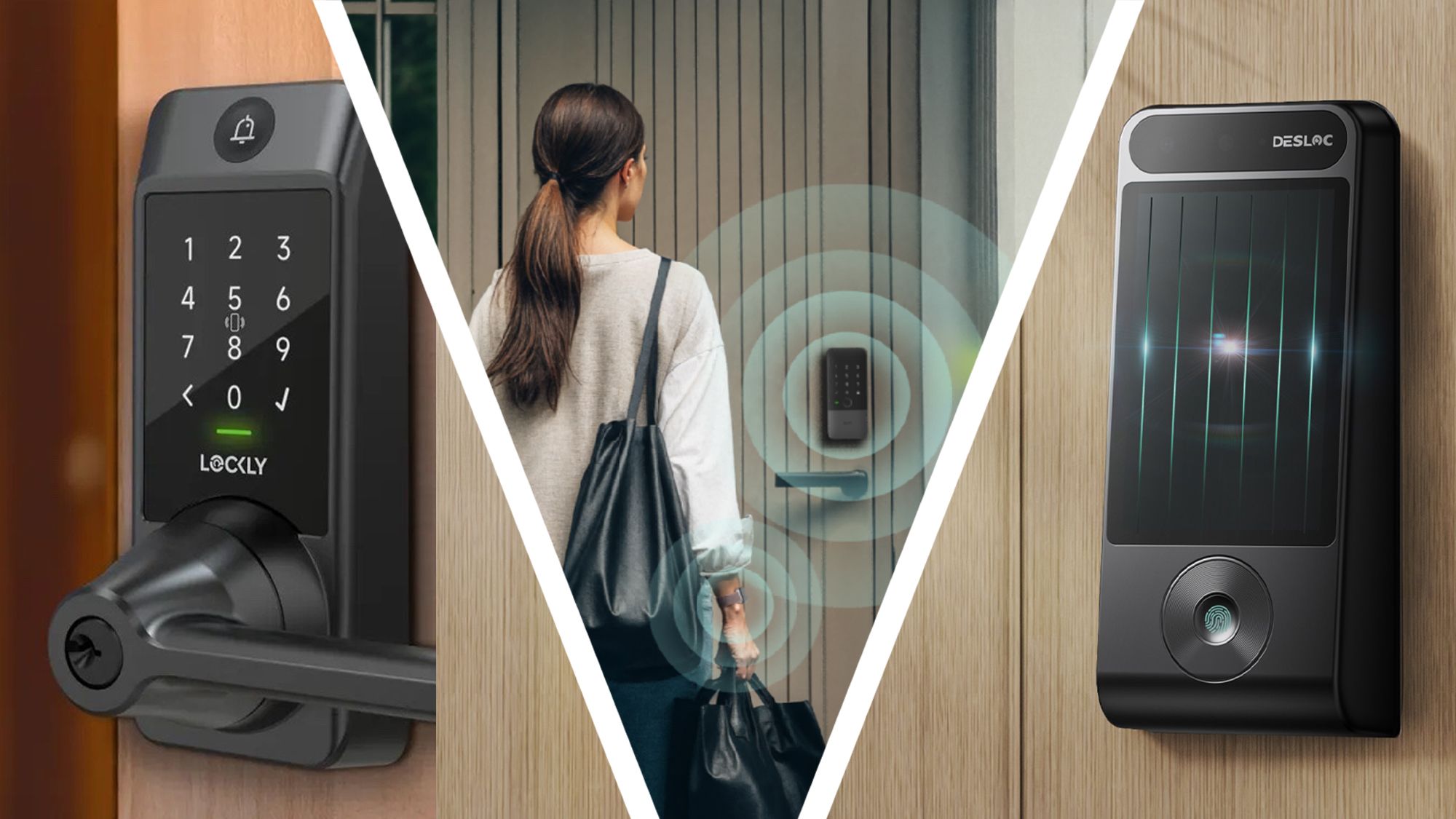
Multiple vendors showcased next-generation smart locks at CES 2026 emphasizing Matter compatibility, simplified DIY installation, and advanced biometrics. Notable launches include Yale's Linus Smart Lock L2 Lite (£129.98 / ~$175) with geofencing auto-unlock, Kwikset's Aura Reach ($189 US) with guided installation, Aqara's U400 using UWB positioning, Desloc's three models (V150 Plus with solar under $300; S150 Max with dual 2K cameras and AI subject-recognition under $400; K140 Plus under $200 available in the US from February), and Lockin's V7 Max with long-range wireless charging. The product wave could accelerate smart-home device upgrades and drive demand for authentication hardware, connectivity bridges and platform integrations, though broader consumer adoption and pricing will determine supplier and platform revenue impacts.
Market structure: CES 2026 productization accelerates ecosystem competition — winners are platform owners (AAPL, AMZN, GOOGL) and integrators with video/AI (ARLO) who capture subscription and services upsell; legacy mechanical-only lockmakers and fragmented hub makers lose pricing power as Matter/Thread commoditize connectivity. Expect ASP compression of 10–20% in basic smart-lock SKUs over 12–24 months while premium-integrated units (video+AI) sustain 20–40% gross margins.
Risk assessment: Primary tail risks are a large-scale security breach or restrictive biometric regulation (EU/US) that could force firmware rewrites, recalls or ban on cloud-stored templates — a single major incident could erase 20–30% of a small vendor’s market cap and create 6–12 month selling pressure. Short-term catalysts are retail promotions and initial product reviews (next 1–3 months); medium-term (3–12 months) are shipment volumes and Matter interoperability reports; long-term (12–36 months) is consolidation and component concentration (UWB/Thread silicon).
Trade implications: Direct trade: overweight ARLO as a pure-play beneficiary of video+lock bundling; tactically buy platform exposure in AAPL/GOOGL to play ecosystem lock-in, use defined-risk call spreads to limit capital. Options and hedges should be used to protect against breach/regulatory shocks; volatility around product launches and retailer holiday promos will spike IV 25–50%.
Contrarian angle: Consensus underestimates consumer inertia and privacy backlash — adoption may be 15–30% below hype in 12–24 months, creating acquisition targets among hardware vendors. This implies selectively sized positions (small cap hardware long with downside protection) and readiness to sell into M&A-driven spikes.
AI-powered research, real-time alerts, and portfolio analytics for institutional investors.
Request DemoOverall Sentiment
moderately positive
Sentiment Score
0.35
Ticker Sentiment
