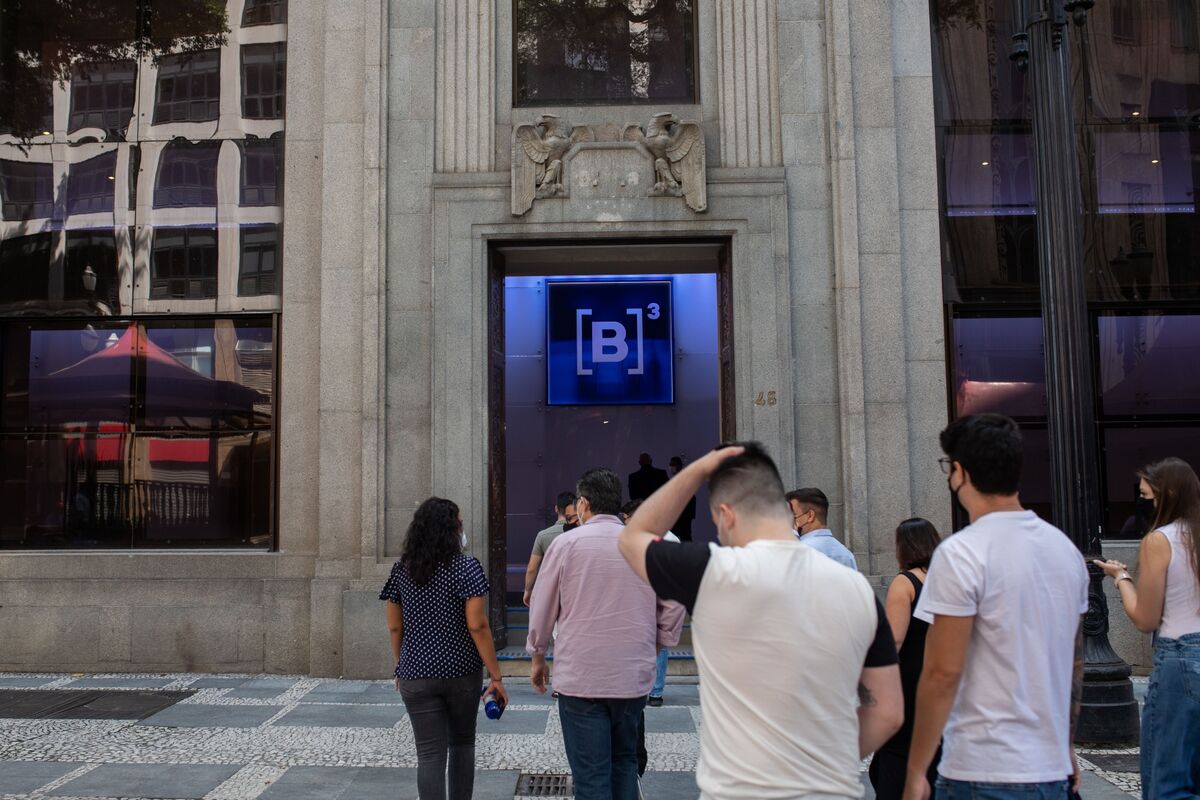
Compass Gas e Energia SA’s successful IPO, the first in Brazil in nearly five years, signals that Brazil’s equity capital markets have reopened. Bradesco BBI said foreign investors have powered a strong local equity market year and that appetite for new deals is returning, though global volatility is still limiting the pace of issuance.
This is less about one IPO and more about a reopening of the local risk-allocation channel. When a market has been closed to primary issuance for years, the first successful print usually matters most because it resets bankers’ clearing prices, lifts confidence in valuation comparables, and gives domestic institutions a fresh reference point for private-market marks. The second-order winner is the broader Brazilian financial complex: improved ECM activity supports fee pools, trading volumes, and cross-sell into follow-on equity and convertibles, with the biggest operating leverage likely at locally dominant franchises rather than the headline issuer itself.
The foreign-flow backdrop is the key catalyst, but it is also the main fragility. Brazil equity can remain bid for months if global rates stabilize and the dollar softens, yet IPO windows tend to shut abruptly when EM FX turns volatile or U.S. duration spikes. That means the near-term upside is in the pipeline, not in expecting a wave of large deals; a handful of well-priced transactions over the next 1-2 quarters would be enough to re-rate underwriting expectations, while a single failed bookbuild could quickly reintroduce scarcity and risk aversion.
Consensus is likely underestimating the competitive effect on capital allocation. As equity issuance resumes, private assets and late-stage sponsors lose negotiating leverage, and listed peers may trade at more disciplined multiples as investors compare them against new public comps. For the broader market, the real signal is that investors are willing to fund Brazilian growth through equity rather than only through carry trades; if that holds, it can tighten spreads for a while, but it also makes the market more sensitive to any reversal in global liquidity.
BBDO is a modest direct beneficiary from the sentiment shift, but the larger trade is on beta to ECM normalization rather than on one bank. The risk/reward is favorable over weeks to months, not days: the upside comes from incremental deal flow and stronger flows into Brazilian equities, while the downside is a quick re-freeze if macro volatility rises. The cleanest expression is to own the local platform that monetizes both issuance and market activity, while hedging with EM FX or broader risk assets if volatility picks up.
AI-powered research, real-time alerts, and portfolio analytics for institutional investors.
Request DemoOverall Sentiment
moderately positive
Sentiment Score
0.55
Ticker Sentiment
