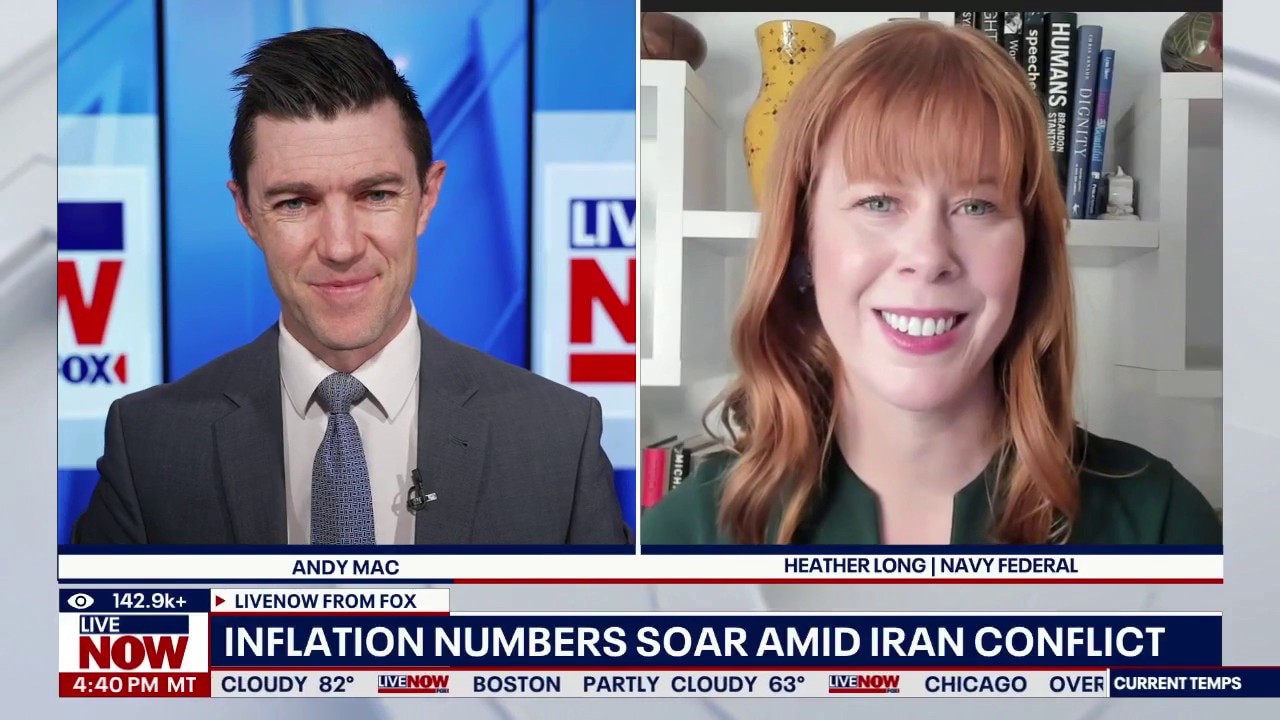
Tomato prices have surged about 40% year over year, far outpacing coffee (+18.5%), beef roasts (+17.8%) and frozen fish/seafood (+12%) as inflation broadens across groceries. The article links the jump to a 17% tariff on Mexican tomatoes, higher shipping costs from the Iran war, and poor growing conditions, with tomato tariff receipts rising from $16,424 in 2024 to nearly $4.6 million. Broader inflation also rose to 3.8% in April, reinforcing pressure on the Fed and consumer budgets.
The important market signal is not the tomato print itself; it is the re-acceleration of food-led inflation at a time when growth is already softening. That combination is toxic for rate-cut expectations because it raises the odds that the Fed stays restrictive longer even as real consumer spending loses momentum. In other words, the macro mix shifts from a clean disinflation narrative to a stagflation-lite regime, which tends to compress consumer multiples and extend duration pressure across equities.
For consumer staples and packaged food, the second-order effect is margin asymmetry. Companies with meaningful tomato input exposure, limited pricing power, or heavy restaurant/foodservice mix face a lag between cost inflation and shelf-price pass-through; the P&L hit usually shows up over the next 1-2 quarters, while volume elasticity can persist longer if household budgets are already stretched. That favors a relative long in brands with stronger mix and procurement leverage versus a short in names exposed to value-tier demand or fresh-ingredient inflation, where unit growth can be the first casualty.
PEP is only a mild direct loser here, but the bigger issue is category-wide basket inflation feeding down-trading into smaller packs and private label. That is bad for branded beverage/snack volumes if consumers trade out of premium bundles, and it can force more promotional activity just to defend share. The contrarian point is that some of this pressure is self-limiting: if input inflation is tariff-driven rather than demand-driven, the shock can reverse quickly if trade policy is unwound, making the move less durable than headline CPI suggests.
From a trading perspective, the cleanest expression is to position for sticky inflation without assuming broad consumer resilience. If inflation prints keep the Fed on hold, front-end yields should stay elevated while cyclicals with pricing power outperform defensives with weak traffic; if the policy shock reverses, the trade can unwind fast. The setup argues for relative value rather than outright beta until the next two CPI prints confirm whether this is an isolated food shock or the start of broader pass-through.
AI-powered research, real-time alerts, and portfolio analytics for institutional investors.
Request DemoOverall Sentiment
moderately negative
Sentiment Score
-0.45
Ticker Sentiment
