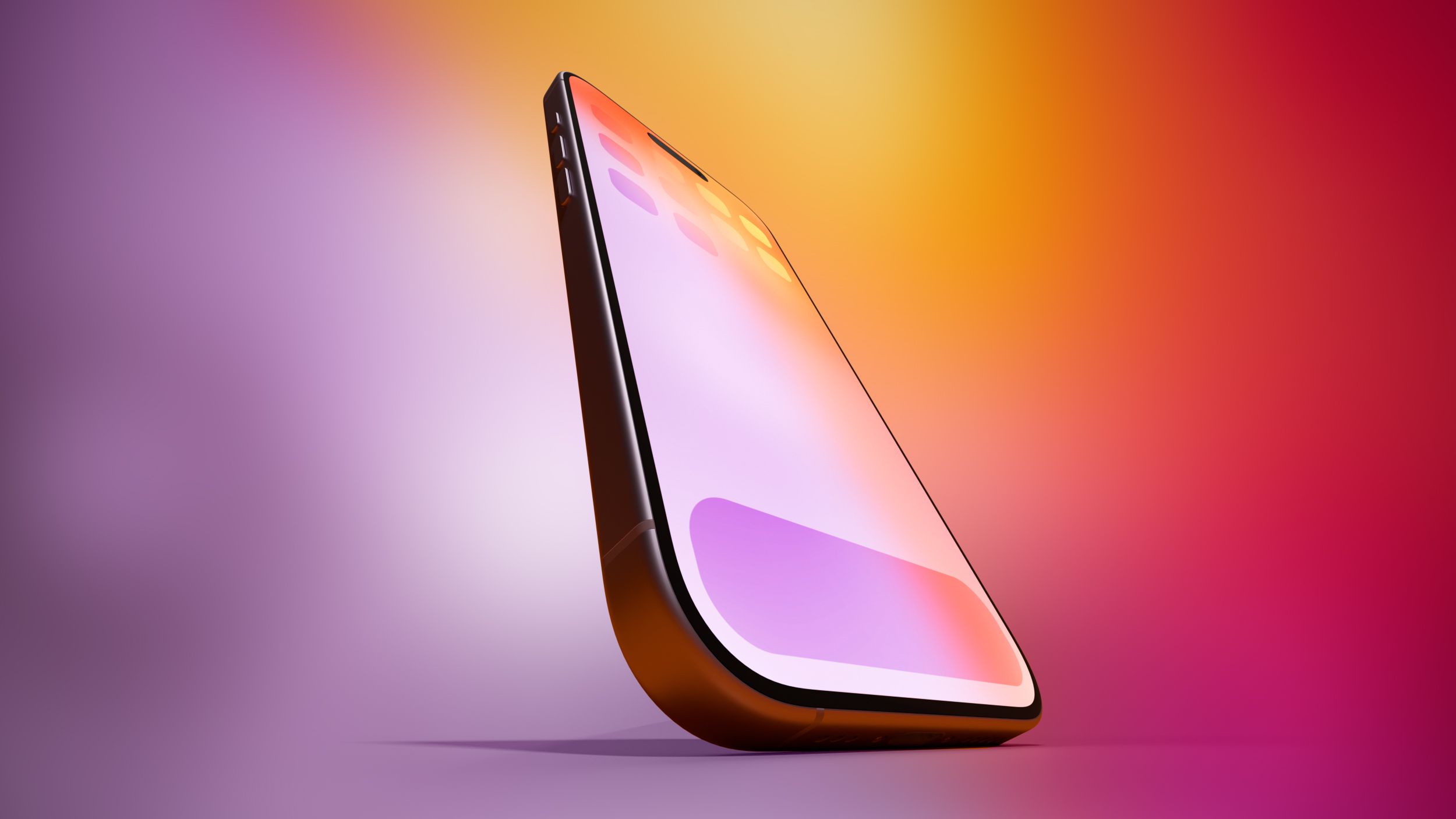
Apple’s 3-year iPhone reinvention roadmap includes redesigned iPhone 17 Pro models and iPhone Air, a foldable iPhone in September 2026, and a 20th-anniversary model in September 2027. The foldable is expected to feature a book-style design with a 7.7-inch inner display, 5.3-inch outer display, and iOS 27 multitasking enhancements. The product pipeline supports Apple’s effort to sustain record iPhone sales momentum, though the article is largely forward-looking and not a near-term earnings catalyst.
The important implication is not just a prettier iPhone cycle, but a multi-year reset in Apple’s product cadence that should reduce the usual post-launch digestion period. A meaningful design refresh tends to pull forward upgrades among the installed base and, more importantly, increases carrier subsidy willingness because the handset becomes easier to market as a premium differentiator. That supports not only AAPL’s unit mix but also gross margin durability as higher ASP tiers remain sticky even if unit growth is modest.
The more underappreciated second-order effect is on Apple’s ecosystem monetization. A foldable form factor with iPad-like multitasking expands the addressable use case from “phone replacement” to “mobile productivity device,” which can increase attachment to services, cloud storage, accessories, and developer spend over a 12-24 month horizon. If Apple executes the software layer well, it also raises switching costs versus Android foldables, where fragmentation has historically capped ecosystem lock-in.
From a supply-chain lens, this roadmap should benefit companies with tight optical, hinge, display, and advanced materials exposure, but the real bottleneck is yield, not design. Foldables are notorious for initial ASP premium compressing quickly if crease quality, durability, or repair economics disappoint; that means the market may be overestimating first-year volume but underestimating the strategic halo if Apple normalizes the category. The key risk is that a “reinvention” narrative can be front-loaded into the stock before actual sell-through proves out, creating a better entry point on any post-announcement volatility.
Contrarian view: the market may be too focused on whether Apple can ship the most ambitious hardware and too little on the likelihood that software and services monetization do the heavy lifting even if hardware volumes are only middling. If the foldable is pricey and constrained by yield, it can still be equity-positive because it defends premium pricing across the lineup and extends the upgrade cycle for the broader installed base. The biggest failure mode is execution slippage on durability or crease reduction, which would likely delay the thesis by 6-12 months and pressure sentiment more than fundamentals.
AI-powered research, real-time alerts, and portfolio analytics for institutional investors.
Request DemoOverall Sentiment
mildly positive
Sentiment Score
0.35
Ticker Sentiment
