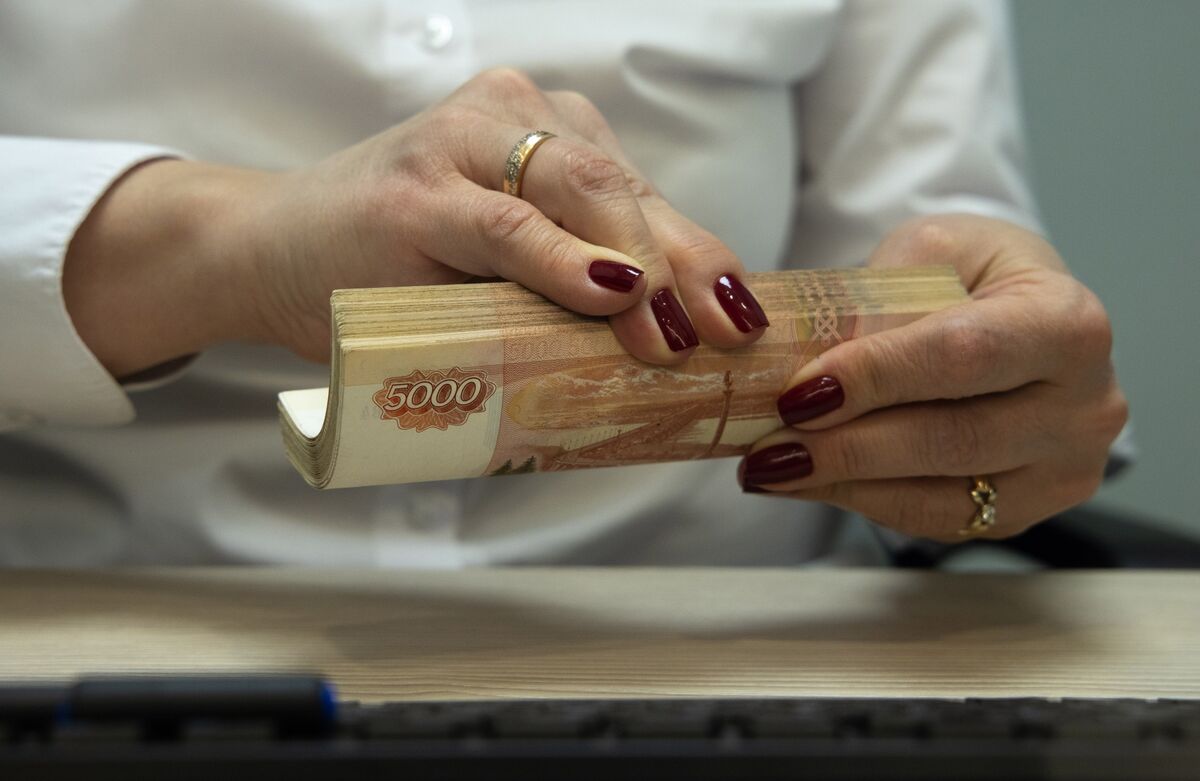
Russian foreign currency inflows are dwindling as over half of its exports are now settled in rubles, reflecting the impact of Western efforts to limit cross-border transactions. Payments in 'friendly' currencies, predominantly the Chinese yuan, have declined to one-third of receipts from a peak of nearly half, while 'unfriendly' currencies comprise only 15%. This significant shift underscores Russia's evolving trade payment structure and its adaptation to geopolitical pressures.
Russia is experiencing a significant decline in foreign currency inflows as its trade payment structure shifts decisively towards its domestic currency. According to Bank of Russia data, over half of all Russian exports are now settled in rubles, a direct consequence of Western efforts to curtail the nation's access to global financial systems. This trend is further evidenced by the diminishing role of other currencies in trade receipts; payments in 'friendly' currencies, predominantly the Chinese yuan, have fallen to one-third of the total from a peak of nearly 50% a year prior. Concurrently, transactions in 'unfriendly' currencies now account for a mere 15% of export payments. This structural change underscores the tangible impact of sanctions on Russia's cross-border commerce, forcing a reliance on its own currency and reducing its ability to accumulate reserves of foreign hard currency.
AI-powered research, real-time alerts, and portfolio analytics for institutional investors.
Request DemoOverall Sentiment
moderately negative
Sentiment Score
-0.50
