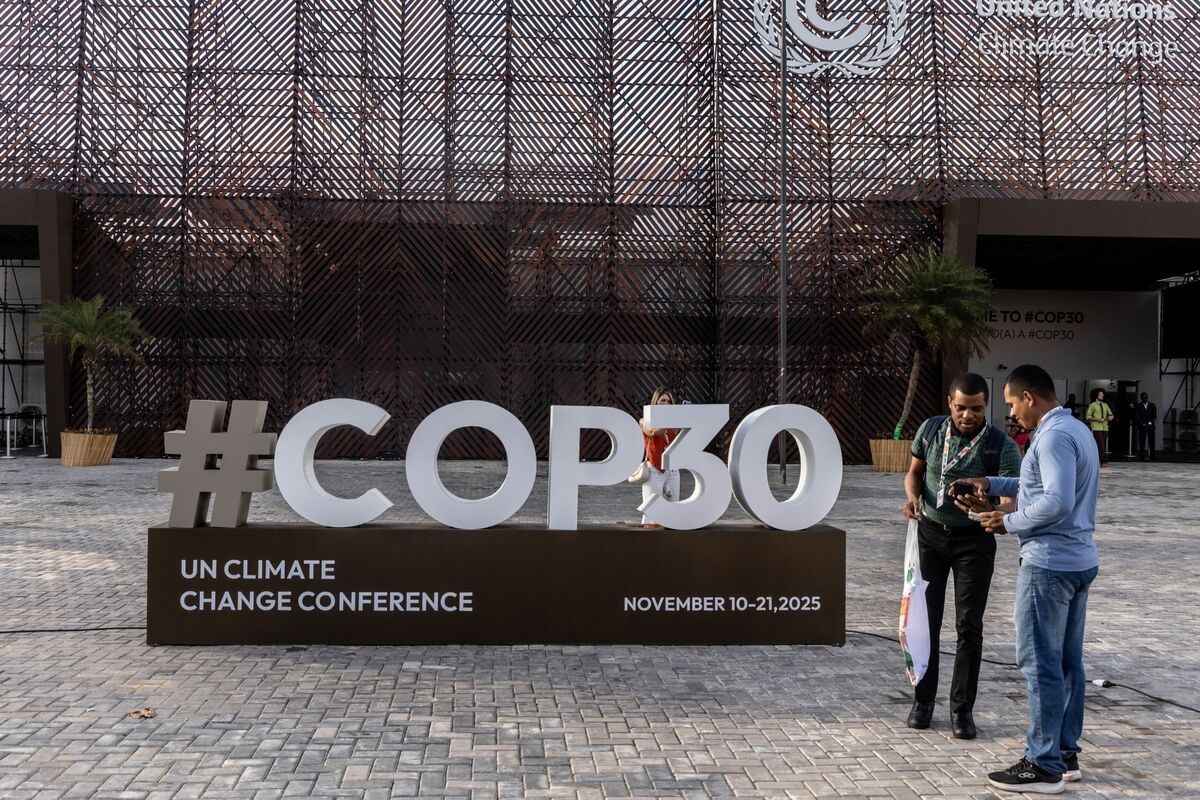
The COP30 climate conference is currently underway in Belém, Brazil, gathering delegates from nearly 200 nations to negotiate global climate policy. While the UN process grants all countries an equal vote and veto power, seasoned diplomats from key countries and blocs are expected to exert significant influence, driving momentum and shaping coalition-building, which will ultimately determine the direction and impact of future climate regulations on various industries and investment landscapes.
The COP30 climate conference is currently convening in Belém, Brazil, bringing together delegates from nearly 200 nations to deliberate on global climate policy. This gathering represents a pivotal event for future environmental regulation and its potential impact across various sectors.
Despite the United Nations process granting all countries equal voting and veto power, the actual negotiation dynamics are influenced by seasoned diplomats from key countries and blocs. These influential parties are expected to drive momentum and build coalitions, shaping the ultimate direction of policy outcomes, a dynamic underscored by the "Geopolitics & War" theme classification.
The article maintains a neutral sentiment and indicates a low immediate market impact (0.1), as it describes the negotiation process rather than concrete policy changes. However, the conference's outcomes are critical for future climate regulations, impacting investment landscapes and industries, aligning with "ESG & Climate Policy" and "Regulation & Legislation" themes. No specific tickers are identified, suggesting a broad, systemic influence rather than direct company-specific effects at this juncture.
AI-powered research, real-time alerts, and portfolio analytics for institutional investors.
Request DemoOverall Sentiment
neutral
Sentiment Score
0.00
