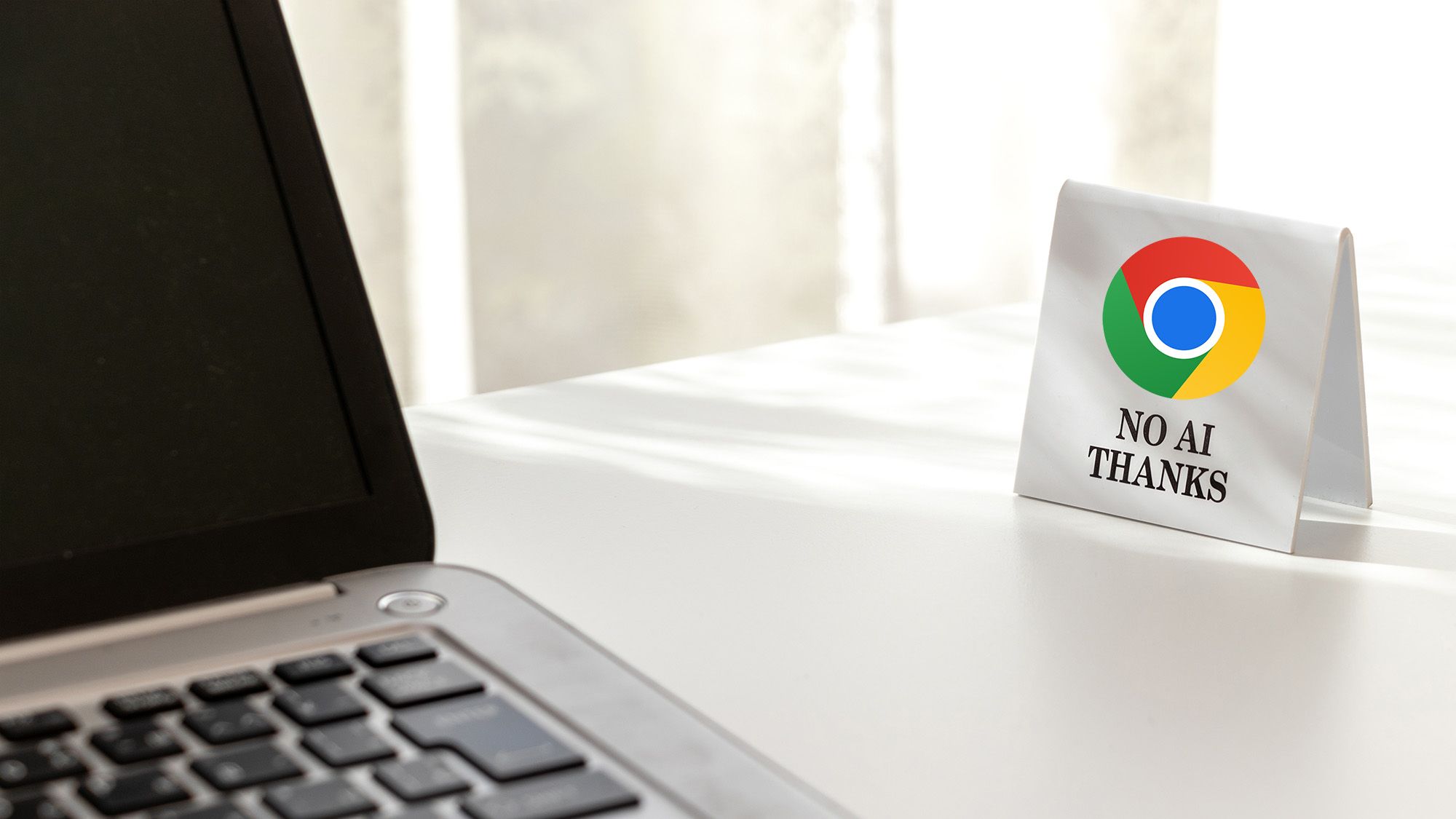
Windows 11 now includes a registry policy, GenAILocalFoundationalModelSettings, that lets users and administrators block Chrome and Edge from downloading a 4GB local AI model by default. The setting can remove previously installed models and applies to Chrome version 147+ and Edge version 132+, reflecting ongoing privacy and storage concerns around on-device generative AI. The change is mainly an administrative control for Pro and enterprise users rather than a market-moving event.
This is a quiet but real negative for the browser distribution layer because it exposes a widening mismatch between AI product ambitions and user tolerance for background resource consumption. The issue is not the model itself; it is the default-download, reinstall-on-delete behavior, which creates a trust penalty for both Google and Microsoft precisely as browsers are becoming a frontline AI interface. Over the next 1-2 quarters, that trust drag can show up as more aggressive enterprise policy blocks, slower adoption of consumer AI browser features, and a modest increase in users hardening privacy settings across their endpoint fleet.
For GOOGL, the second-order risk is not direct revenue loss but feature adoption friction in Chrome, especially among high-value users who are most likely to notice storage, bandwidth, and security implications. If enterprises standardize on blocking local models, Google loses a low-friction path to normalize Gemini usage inside Chrome, which could slow habit formation and reduce the funnel into broader AI products. For MSFT, the dynamic is slightly better because Edge already suffers from a weaker default position; however, any perception that Microsoft is allowing unsolicited background AI behavior in a managed environment reinforces the same enterprise resistance that has historically constrained Edge share gains.
The contrarian view is that this is a UX and policy issue, not a product killer. Local inference is actually a strategic advantage versus cloud-only AI on privacy and latency, so if Google and Microsoft respond by making opt-in and storage controls more transparent, the backlash should fade quickly. The near-term setup is therefore more about reputational noise than fundamental damage, but in an environment where enterprise admins can block features centrally, adoption curves for browser-native AI may be slower than management teams are implicitly underwriting.
AI-powered research, real-time alerts, and portfolio analytics for institutional investors.
Request DemoOverall Sentiment
neutral
Sentiment Score
-0.05
Ticker Sentiment
