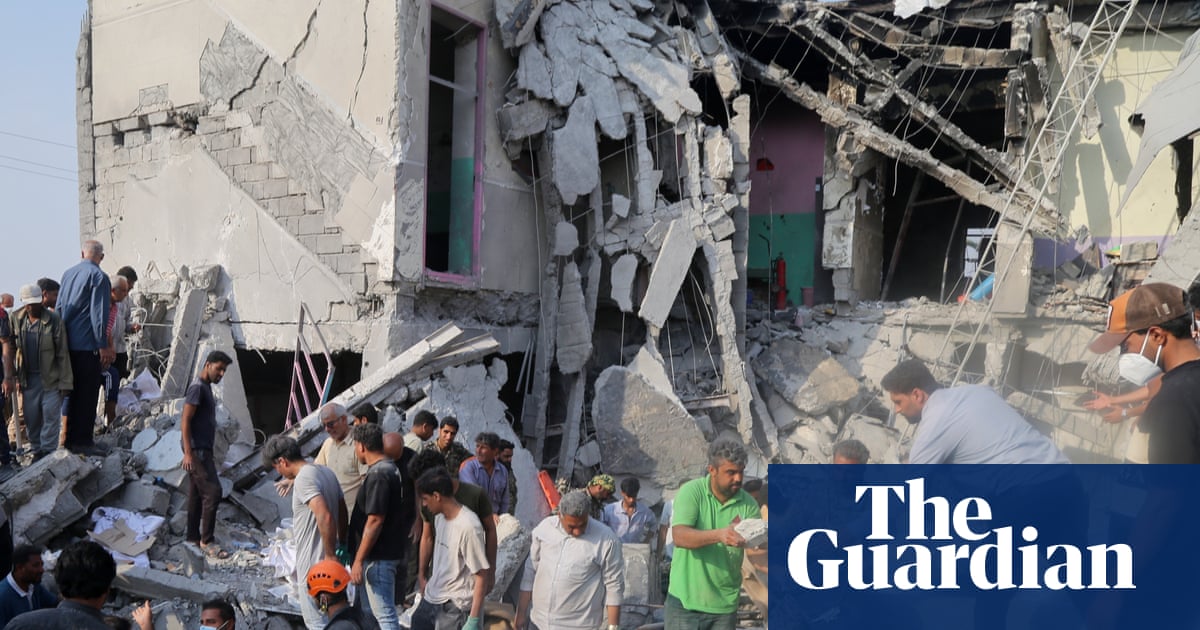
Scores of civilians—mostly 7–12-year-old girls—were killed in a 28 Feb strike on Shajareh Tayyebeh primary school in Minab; UNESCO called it a “grave violation” and verified satellite imagery and geolocated video (showing a Tomahawk missile) point to a US strike despite President Trump blaming Iran without presenting evidence. This materially raises regional geopolitical risk and should trigger short-term risk-off positioning—expect increased volatility, upward pressure on energy/EM risk premia and potential flows into defense and safe-haven assets.
The principal market dynamic to anticipate is episodic, headline-driven risk premia rather than a sustained supply shock. Expect spikes in maritime war-risk insurance and freight spreads within days of major incidents; historically those inputs can add materially to delivered hydrocarbon costs (order-of-magnitude: low-single-digit $/bbl impact during acute episodes) and push short-term volatility in energy and shipping equities.
Defense and ISR-capex is the clearest channel for corporate winners: procurement cycles mean near-term order flow translates into revenue recognition and backlog growth over 3–12 months, not instant EPS prints. The most direct upside accrues to systems integrators and high-end munition and sensor suppliers, while smaller subcontractors and commoditized OEMs will see more diffuse benefits and greater execution risk if budgets get reallocated.
Risk-off positioning will show up first in FX and fixed income — USD and long-duration Treasuries tighten within 24–72 hours of major escalatory headlines, followed by gold and gold miners over 1–6 weeks as investors price persistent uncertainty. Conversely, regional EM assets (currencies, sovereign debt) are the most vulnerable; a moderate flight to safety can knock 5–10% off vulnerable FX pairs within two weeks.
The consensus knee-jerk is to blanket-buy defense and commodities; that path underestimates mean-reversion if operations stay geographically contained. Use near-term options and relative-value pairs to capture asymmetric upside while limiting headline risk: watch war-risk insurance premiums, satellite imagery contract announcements, and amendments to military procurement authorizations as leading indicators that a localized event becomes a multi-quarter revenue driver.
AI-powered research, real-time alerts, and portfolio analytics for institutional investors.
Request DemoOverall Sentiment
strongly negative
Sentiment Score
-0.80
