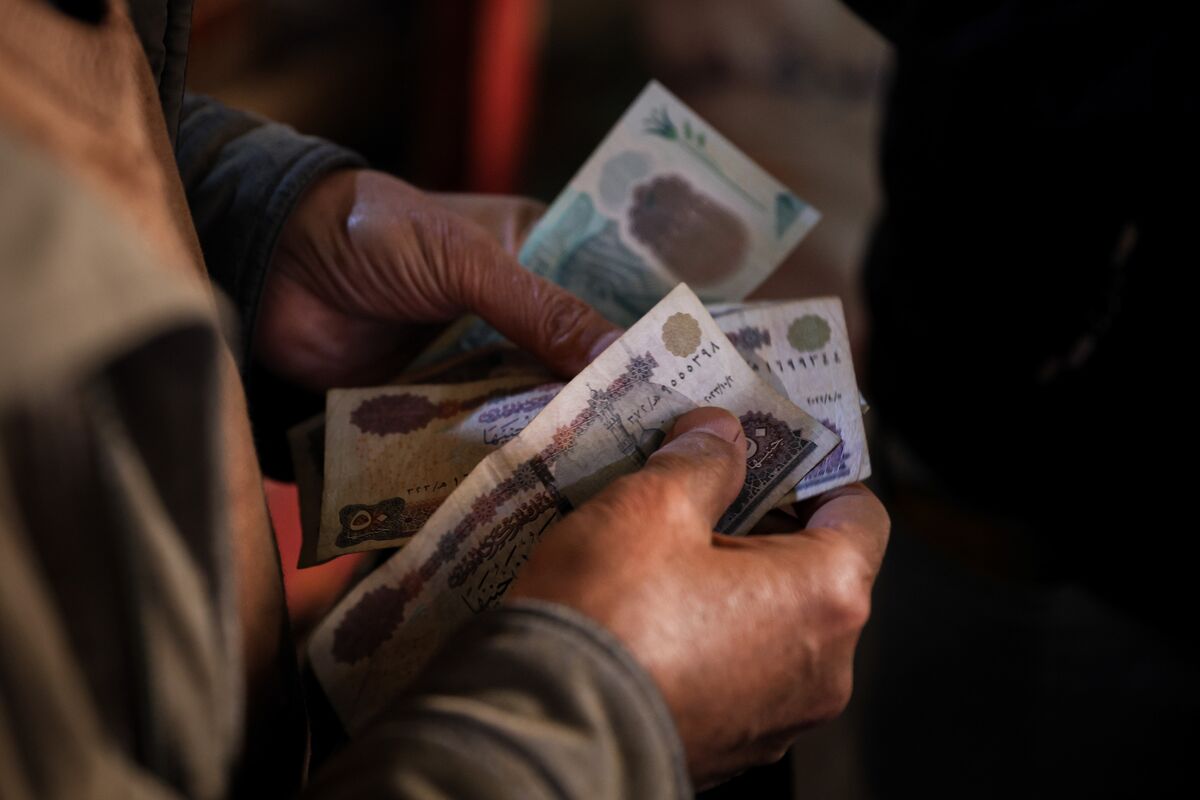
Egypt’s pound has risen about 4% against the dollar since Friday and is up more than 7% since early May, making it the world’s best-performing currency over both periods. The move followed a sharp drop in oil prices after a US-Iran agreement to reopen the Strait of Hormuz, which is expected to restore supply flows and ease inflation pressures. The stronger pound should help reduce imported inflation concerns in Egypt.
This looks less like a clean FX repricing story and more like a global risk-premium compression trade. A lower oil path is effectively a tax cut for Egypt’s external account: it reduces hard-currency outflows, eases subsidy/inflation pressure, and improves the odds that policy can stay tighter for longer without forcing growth into a cliff. That matters because the pound’s rally is likely being driven by incremental reserve-demand improvement, not just spot speculation, which tends to make the move stickier than a one-day squeeze.
The second-order winners are EM sovereign and quasi-sovereign balance sheets with large fuel-import needs and high pass-through inflation. The losers are oil exporters and any local sectors in Egypt that were positioned for inflation hedging or FX weakness; a stronger currency can also bite at the margin into tourism and export competitiveness if it persists, but those effects usually lag the balance-of-payments relief by months. In the near term, lower imported inflation should support rate-cut optionality, which is bullish for duration-sensitive domestic assets and negative for holders of cash USD outside the country.
The key risk is that this is a geopolitical headline trade, so the reversal window is days to weeks, not quarters: any delay, partial reopening, or fresh escalation in the region would quickly unwind the FX move. The market is probably underpricing how quickly oil can snap back if supply fears re-enter, but it may also be underestimating the policy transmission lag — even if crude stays softer, the currency benefit can continue if local authorities use the breathing room to keep capital inflows anchored. My contrarian read is that the pound’s strength may still be underowned because it is being treated as a commodity beta move rather than a macro stabilization signal.
AI-powered research, real-time alerts, and portfolio analytics for institutional investors.
Request DemoOverall Sentiment
mildly positive
Sentiment Score
0.35
