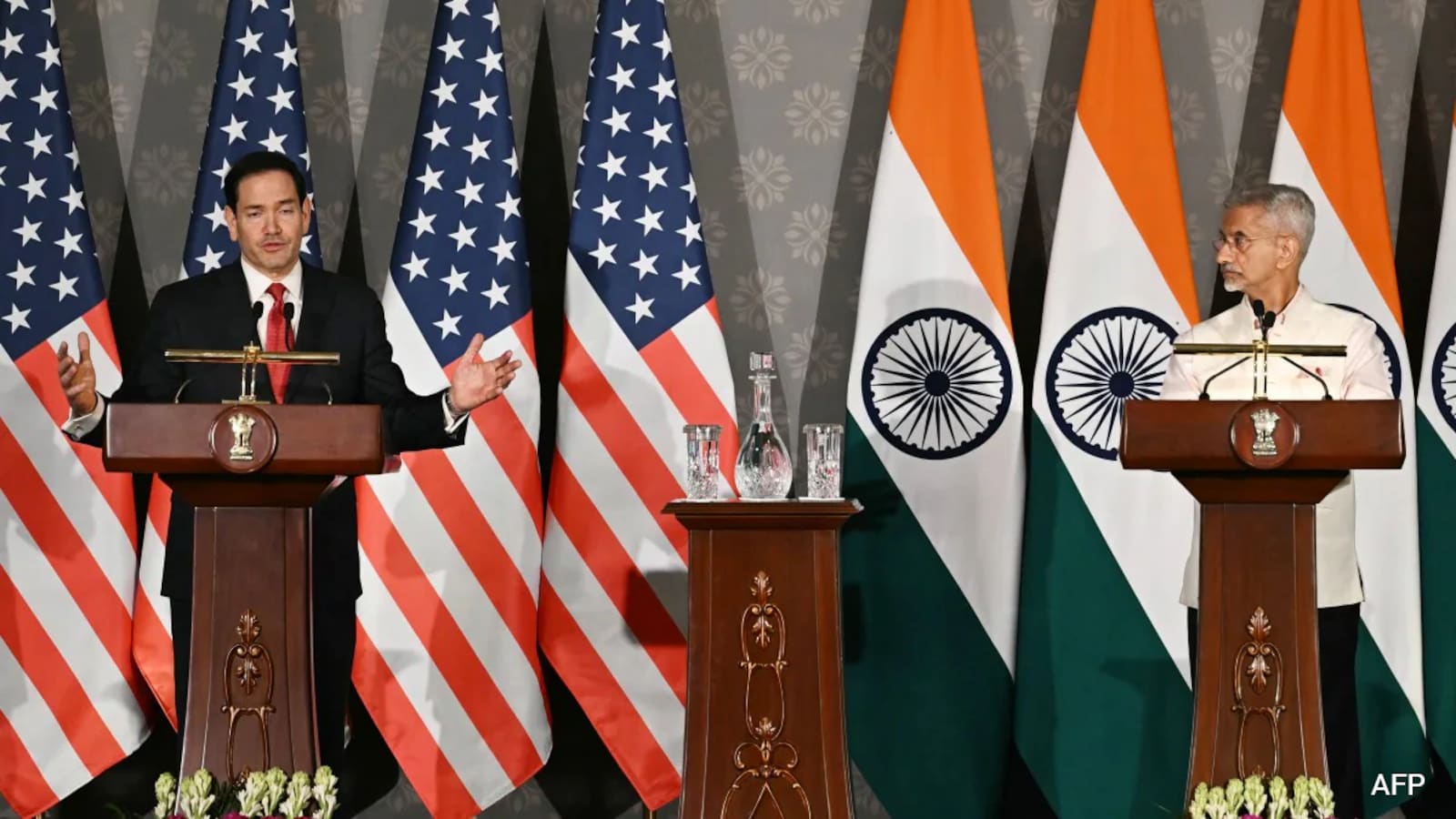
Rubio said a peace deal with Iran could be announced within hours, with the proposed understanding aimed at reopening or easing restrictions on the Strait of Hormuz and preventing an Iranian nuclear weapon. Trump said the deal was largely negotiated, but Iran rejected claims of free passage and said no nuclear commitment has been made. The news is market-wide relevant because it affects a critical global shipping chokepoint and Middle East geopolitical risk.
The market is likely pricing the headline as a de-escalation event, but the more important second-order effect is path dependency: even a partial opening of the waterway can compress the geopolitical risk premium in crude and freight without fully eliminating it. That tends to hit volatility first, not spot prices—so the cleanest near-term trade is often in options and shipping insurance proxies rather than outright energy direction. If the announcement is vague or reversible, expect a fast mean-reversion in the first 24-72 hours as desks fade “peace deal” language against the reality of enforcement.
The bigger beneficiary set is not just consumers, but Asian refiners, tanker owners, and import-sensitive EMs. India, Japan, Korea, and large European industrials get the largest margin relief if passage normalizes even partially, while Gulf producers may see less support for prompt barrels and more pressure on differentials. A key nuance: a return to pre-war traffic levels can still leave shipowners with higher security, routing, and insurance costs, so logistics inflation may decline slower than headline oil benchmarks imply.
The contrarian miss is that any truce tied to nuclear constraints is inherently brittle; if the nuclear discussion is merely postponed, the market could be underestimating how quickly the premium can reprice back in over weeks, not months. That argues for expressing bullish risk relief in short-dated structures rather than cash equity beta. The tail risk is binary: failed implementation or renewed claims of restricted passage would likely re-anchor Brent up 5-10% and re-tighten tanker rates within days.
AI-powered research, real-time alerts, and portfolio analytics for institutional investors.
Overall Sentiment
neutral
Sentiment Score
0.05
