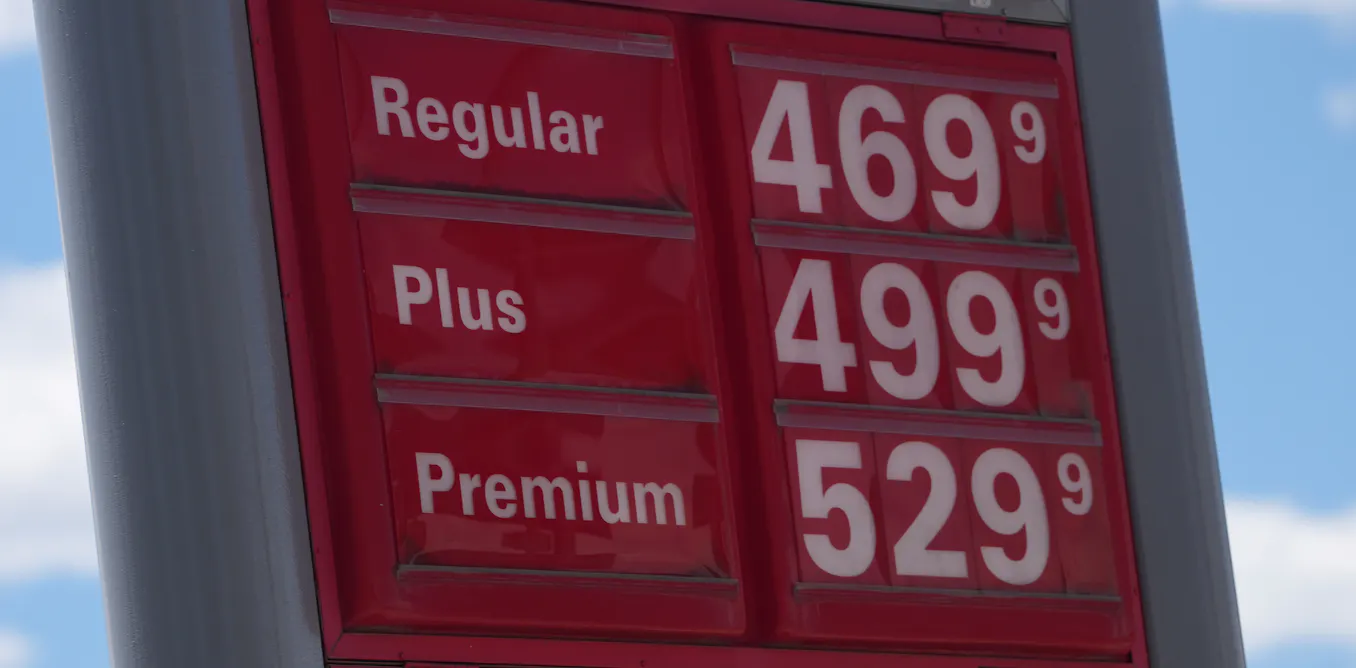
Headline PCE inflation accelerated to 3.8% year over year, with core PCE at 3.3%, reinforcing concerns that higher energy costs are spreading beyond gasoline into the broader economy. The Fed held rates at 3.50%-3.75% at its April meeting, but policymakers are increasingly worried persistent inflation could require additional hikes, especially with Treasury yields at their highest since 2007. The article frames the June 16-17 Fed meeting as a key test for new chair Kevin Warsh amid rising gas prices, slowing growth, and mixed inflation signals.
The market implication is not just “higher inflation,” but a regime shift where the Fed loses the luxury of looking through energy. When headline pressure leaks into services and transportation, the terminal rate path becomes less about one data print and more about re-anchoring expectations; that keeps the front end sticky even if growth softens. In that setup, the first-order losers are rate-sensitive consumer discretionary and housing, but the second-order loser is corporate margins in industries that cannot pass through input costs quickly enough.
The more interesting dynamic is that inflation can stay firm even as the consumer weakens, which is the worst mix for equities. If households are already trading down, energy acts like a regressive tax that siphons spend from airlines, restaurants, apparel, and home improvement while supporting nominal revenue in staples and some industrials. Meanwhile, higher long-dated yields can tighten financial conditions without another Fed move, so duration-sensitive assets may reprice even if policy is unchanged.
The contrarian point is that this may be less about a new inflation uptrend than a narrow, geopolitically driven price shock being misread as persistent. If oil stabilizes or the Strait-related risk premium fades, inflation optics could improve faster than consensus expects, especially with wage growth and consumer demand cooling. That argues for staying tactical: the best short is not broad market beta, but the most rate-sensitive and margin-squeezed subsectors.
The AI angle matters because it creates a two-speed economy: capex-heavy beneficiaries can mask broader weakness, limiting the market’s willingness to fully discount recession risk. That keeps dispersion high and makes pair trades preferable to outright index shorts. The next few weeks matter more than the next few quarters because the June Fed meeting can reprice the front end quickly, but the real macro damage would build over months if energy stays elevated and expectations drift.
AI-powered research, real-time alerts, and portfolio analytics for institutional investors.
Request DemoOverall Sentiment
moderately negative
Sentiment Score
-0.35
