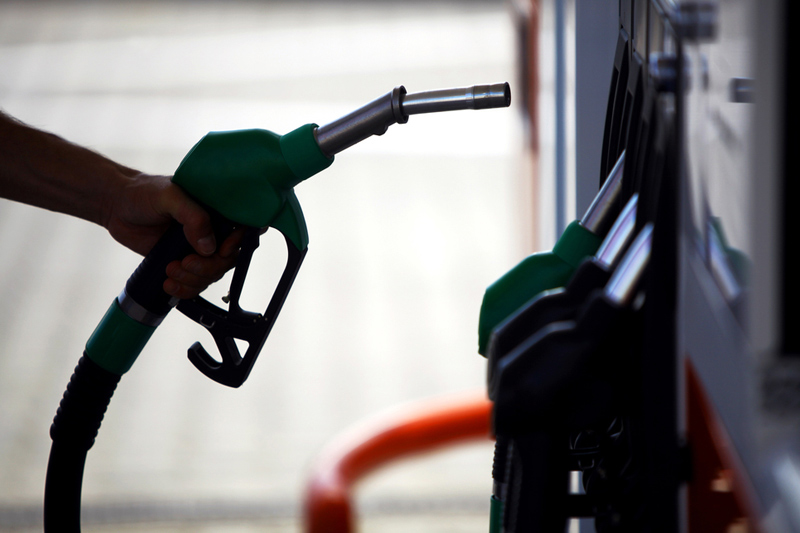
Northwest European gasoline refinery margins fell to $21.25 per barrel, while Middle East conflict-related supply concerns remain elevated. E5 gasoline trading reached about 24,000 metric tons in the Argus window, but no E10 barges changed hands; EU-27 and UK gasoline/blending component exports averaged 788,000 bpd this month versus 961,000 bpd in April. Japan will switch its gasoline subsidy benchmark back to Dubai crude next week, and TotalEnergies will keep capping French fuel prices through June.
The near-term market read-through is less about crude direction and more about product-market dislocation. Gasoline cracks easing while Gulf shipping risk remains elevated suggests the first beneficiaries are refiners with Atlantic Basin optionality and storage/arb flexibility, while pure retail and logistics-sensitive consumers get a temporary break in input costs without a full pass-through to pump prices. That mix should keep headline energy inflation sticky enough to preserve policy sensitivity, but not so tight that it forces an immediate capex response from upstream producers. For TTE, the key second-order effect is margin smoothing rather than outright upside: retail price caps can blunt downstream optics just as lower product spreads reduce the cash conversion of the refining barrel. The bigger issue is competitive discipline—if EU product exports keep fading, regional cracks can stabilize faster than consensus expects once any supply disruption is priced out, leaving refiners exposed to a sharper reversion in margin normalization over the next 2-6 weeks. By contrast, traders who are short consumer demand names are probably early; the lag from fuel prices to consumption is usually measured in months, not days. The market seems to be underweight the policy overlay. A switch in Japanese subsidy indexation and the limited impact of U.S. coastal shipping waivers both point to governments prioritizing optics over meaningful physical relief, which caps the odds of a fast demand destruction narrative. The contrarian setup is that if Hormuz traffic normalizes within a month, crude risk premium can collapse faster than product fundamentals, hurting energy beta while leaving higher-cost refiners with only a brief window to monetize the current dislocation.
AI-powered research, real-time alerts, and portfolio analytics for institutional investors.
Overall Sentiment
mildly negative
Sentiment Score
-0.15
Ticker Sentiment
