

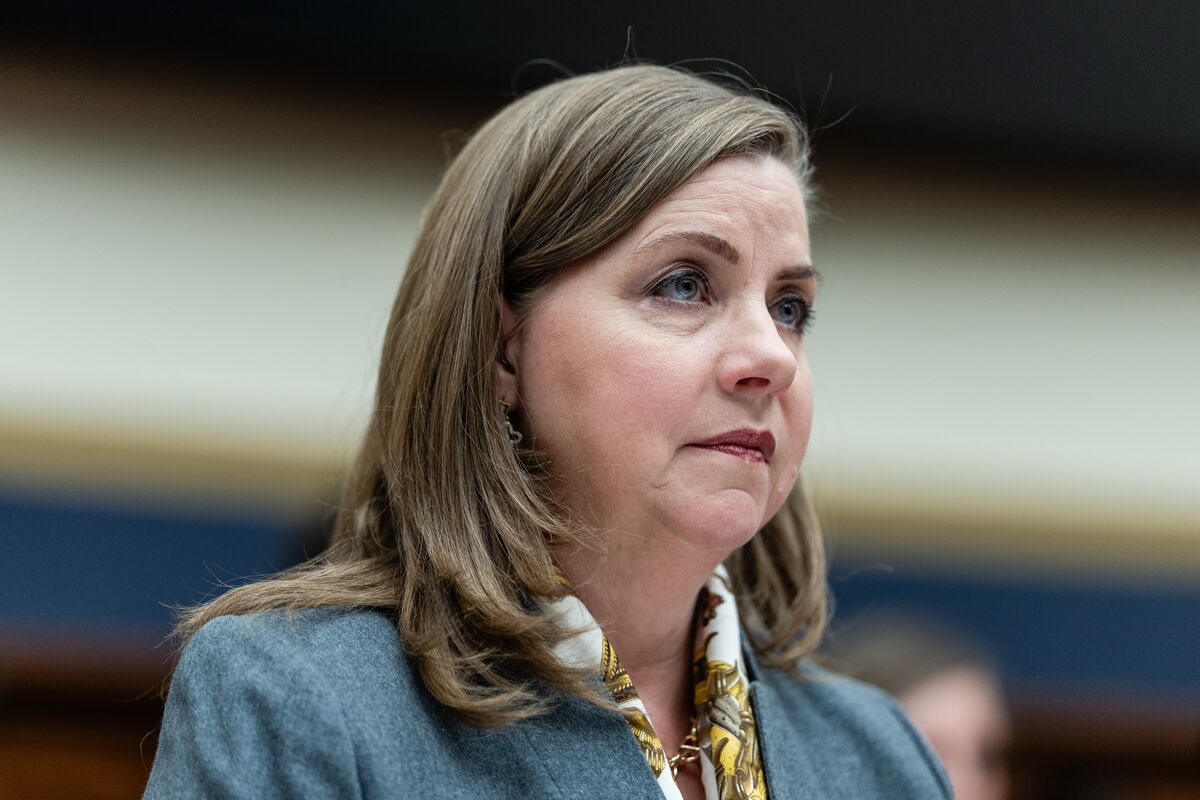
Fed Vice Chair for Supervision Michelle Bowman urged the Financial Stability Board to adopt “flexibility” rather than “strict rules” for global banking oversight, arguing one-size-fits-all standards may reduce the watchdog’s effectiveness across diverse jurisdictions. The comments are a regulatory process stance rather than a specific policy change, suggesting limited near-term market impact.
This is more about the probability distribution for bank capital than any immediate earnings effect. The market takeaway is that the Fed is signaling resistance to a one-size-fits-all global rulebook, which lowers the odds of synchronized capital tightening across jurisdictions and reduces the chance of a broad-based multiple hit to large U.S. banks and broker-dealers. The real beneficiaries are the firms with the most cross-border balance-sheet usage and compliance overhead — think JPM, GS, MS, BAC, and C — because even a modest reduction in regulatory friction can preserve ROE at the margin.
Second-order, the bigger winner may be competitive positioning rather than reported income: if U.S. rules remain more flexible than Europe/UK, activity can keep migrating toward U.S. market-makers and custody/prime brokerage franchises, while foreign banks carry more of the fixed regulatory burden. That said, the path from a speech to P&L is long; the market should treat this as a 6-18 month policy setup, not a same-day fundamental catalyst. Immediate beta in XLF/KBE is likely limited unless this is followed by concrete capital-rule revisions.
Contrarian view: consensus may underappreciate how much investors have been paying for a worst-case regulatory overhang, so even softening rhetoric can support bank multiples if it reduces tail risk of an industry-wide capital surcharge. The flip side is that this is still only signaling, and any re-hardening of Basel/FSB language, or a surprise increase in U.S. CET1/leverage requirements, would reverse the thesis quickly. The cleanest falsifier is a draft rule that increases required capital for the global banks by enough to offset the optics relief.
AI-powered research, real-time alerts, and portfolio analytics for institutional investors.
Request TrialOverall Sentiment
neutral
Sentiment Score
0.05
Ticker Sentiment
