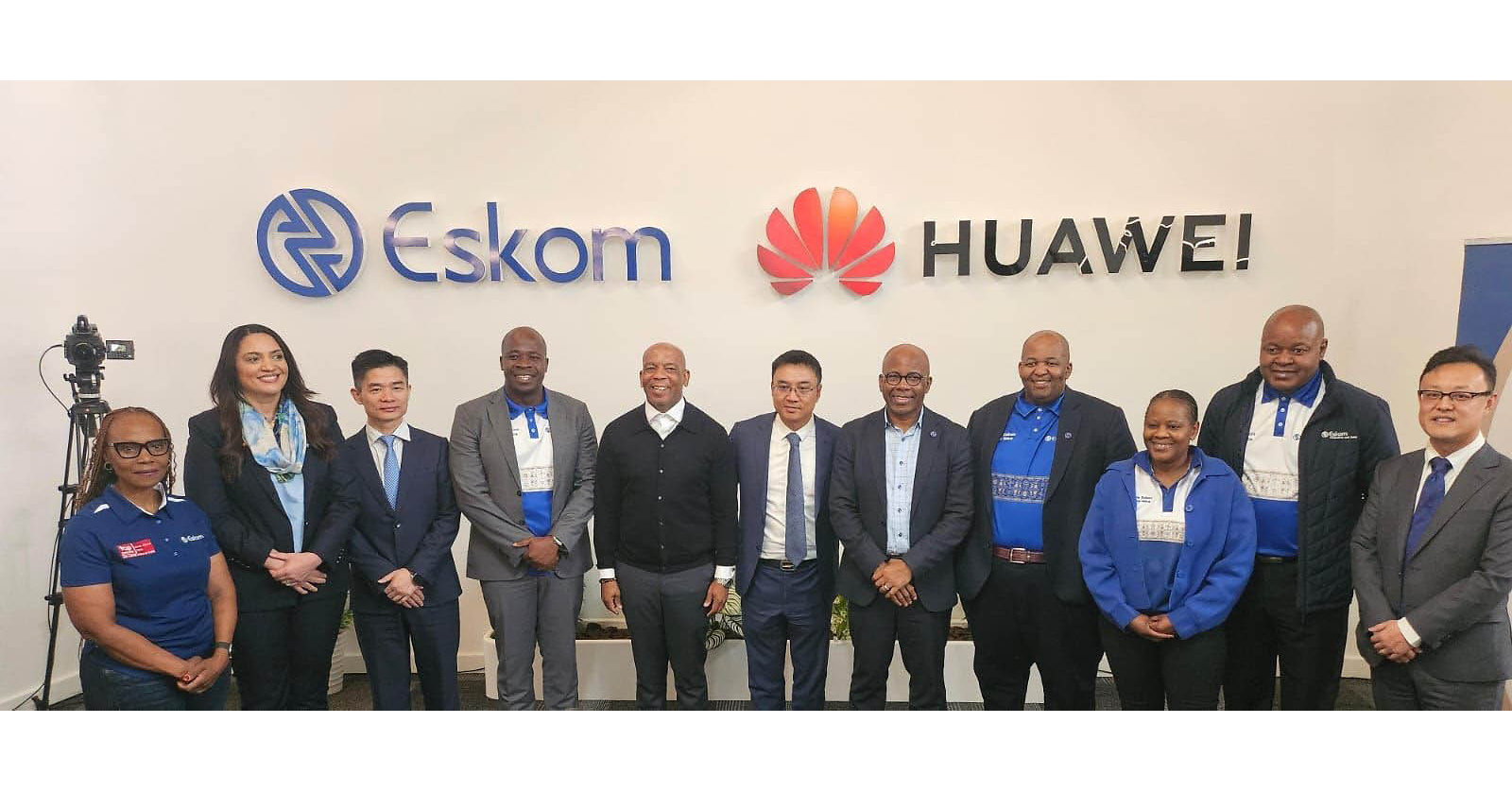
Eskom and Huawei inaugurated an Eskom Modernisation Centre and “Smart Class” focused on digital power systems, covering ICT for grid operations, smart networks, and cybersecurity training. The initiative is positioned to support Eskom’s digital transformation to improve grid reliability and reduce the operational impact of long-running load-shedding, while addressing skills shortages in South Africa’s power sector. Huawei will supply smart substations, distribution systems, digital energy solutions, and software/hardware for the program, with the news framed as a strategic modernization partnership.
This reads as an optionality signal, not a hard earnings catalyst. The economic value is in whether digital grid tools actually improve uptime at Eskom’s constrained system, but the binding constraint is still generation availability and maintenance execution, not training capacity. In the near term, the market should discount this as PR; any real P&L impact likely shows up first in reduced outage volatility, then only later in lower working-capital drag and better industrial throughput.
The second-order winners are South African domestic cyclicals and power-sensitive names if reliability improves: banks, retailers, telecoms, and local industrials should see operating leverage from fewer disruptions. The losers are backup-power and diesel-adjacent demand if load shedding materially eases over 6-18 months, but that requires sustained operational improvement rather than a ceremony. For global vendors, this is incrementally positive for industrial automation and grid-software incumbents, but Huawei’s role also raises procurement and cybersecurity scrutiny that can slow wider adoption.
The contrarian point: consensus is likely overweighting symbolism and underweighting institutional friction. A Huawei-linked modernization push can be politically useful, but the real bottleneck is governance, procurement continuity, and field execution across Eskom’s network; those are month-to-year variables. If outages do not improve measurably through the next earnings cycle, this narrative fades quickly and the equity read-through should be zero.
Tail risk is geopolitical: Western pressure on critical infrastructure tied to Chinese technology could create tender delays or forced re-specification later, which would push out any benefits. The falsifier is simple: if SA outage hours, diesel burn, or industrial load curtailments do not improve over the next 1-2 quarters, the modernization thesis should be abandoned as non-monetizable.
AI-powered research, real-time alerts, and portfolio analytics for institutional investors.
Request DemoOverall Sentiment
mildly positive
Sentiment Score
0.25
