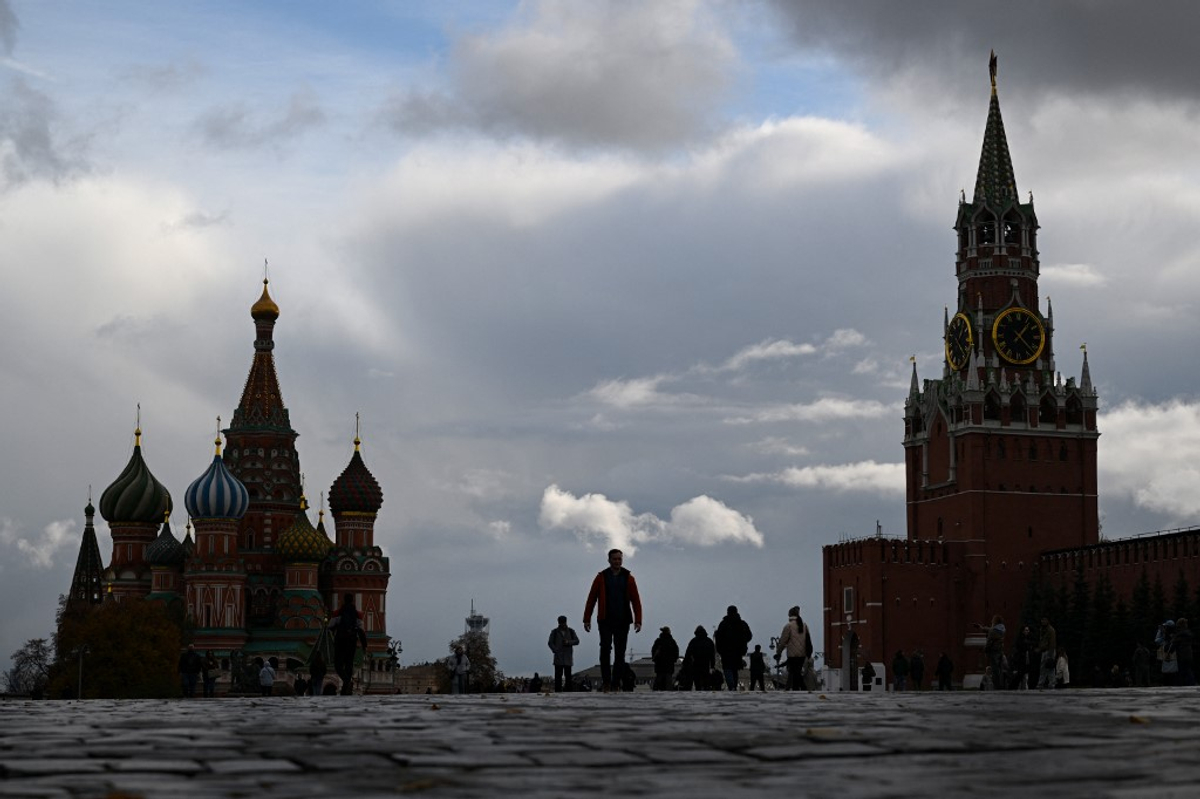
Putin’s approval rating has fallen to 65.6%, down 4.5 points since late March and back near pre-2022 invasion levels, as Russian officials privately describe growing anxiety inside the Kremlin system. The article highlights worsening war pressures, fears among lower-level bureaucrats, and concern that Russia’s economy cannot sustain a prolonged war in Ukraine. The crackdown on Telegram, YouTube, Facebook, and the push toward a state-backed 'super-app' Max underscore tighter information control amid rising internal dissent.
The key market implication is not immediate regime change, but rising internal execution risk: as elite confidence erodes, the Kremlin typically responds by tightening controls, raising fiscal burdens, and prioritizing stability over efficiency. That is bearish for any asset exposed to Russian policy credibility because it increases the odds of ad hoc taxes, capital controls, and heavier internet/data surveillance spending that benefits politically connected incumbents while hurting private-sector productivity and consumer demand.
The most interesting second-order effect is that a more nervous state apparatus often accelerates censorship and domestic-control capex faster than the broader economy can absorb it. That supports the near-term adoption push behind MAX, but the longer-term read-through is negative for user trust, platform engagement, and app monetization if the state’s primary use case is surveillance rather than consumer utility. In other words, “sovereign internet” can create a captive distribution channel, but it is usually a poor product-market fit and tends to cap addressable usage rather than expand it.
For markets, the tail risk is not a clean collapse; it is a slow-motion deterioration with sharper downside in months than days. A weakening approval backdrop plus war strain raises the probability of additional mobilization, tighter controls on transfers, and more pressure on households—conditions that can push capital further into hard assets and offshore structures. The contrarian point is that this may be less bullish for an abrupt domestic unwind than for a longer period of stagnation, because elites with the most to lose will keep the system intact even as they degrade its economic base.
The cleanest trade is to fade the domestic-internet/control stack on any rally while avoiding broad Russia macro shorts unless you have explicit sanctions or capital-control protection. The better expression is relative: long non-Russia cyber/privacy beneficiaries versus any state-linked surveillance platform, because the policy direction increases demand for intrusive infrastructure but also increases the political discount rate on it. The setup is asymmetric: upside if adoption proves real is limited by mistrust, while downside if controls fail or user churn rises can be steep and persistent.
AI-powered research, real-time alerts, and portfolio analytics for institutional investors.
Request DemoOverall Sentiment
strongly negative
Sentiment Score
-0.55
Ticker Sentiment
