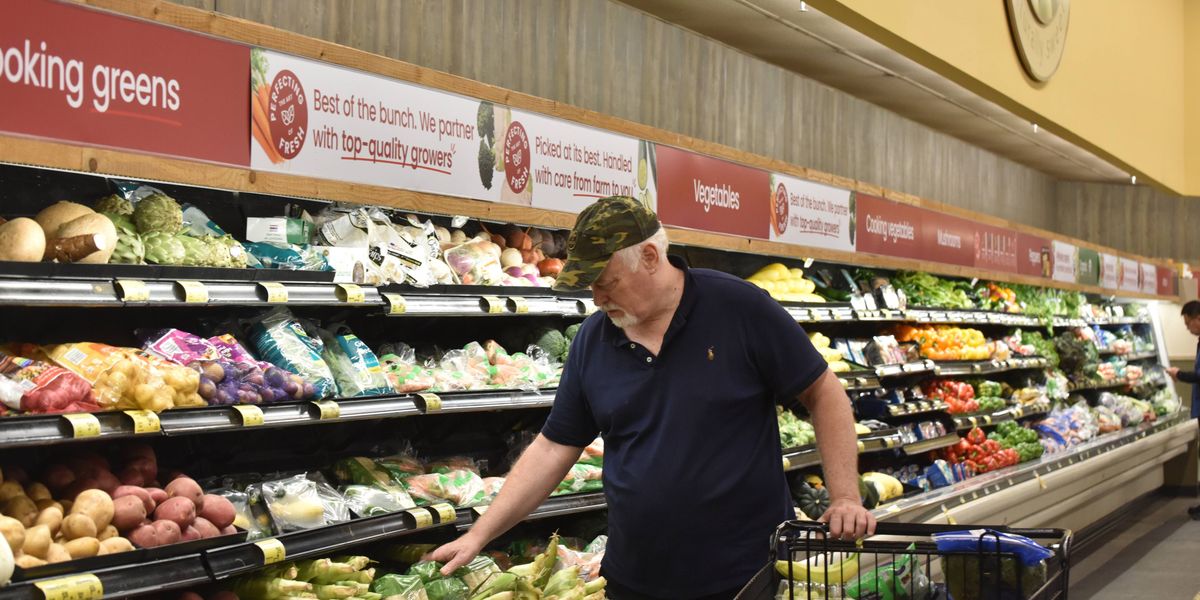
Maryland became the first US state to ban grocery surveillance pricing under the Protection from Predatory Pricing Act, effective October 1, with civil penalties of up to $10,000 for first offenses and $25,000 for repeat violations. The law bars retailers and delivery services from using personal data such as income, ethnicity, family size, neighborhood, or purchasing history to set higher prices, and requires shelf prices to remain steady for one business day. Consumer advocates say loopholes around baseline pricing, loyalty programs, and enforcement could limit its impact, but the move may influence similar legislation in other states and at the federal level.
This is less a clean earnings headwind than a forced repricing of data monetization optionality. The first-order hit is probably negligible for AMZN/UBER/DAL/KR because grocery personalization is still a small share of group economics, but the second-order effect is more important: regulators have now created a template for attacking algorithmic price discrimination as an unfair-dealing issue rather than a privacy issue, which broadens the attack surface materially. The practical risk is not just margin compression, but compliance drag and product redesign across app-based commerce, retail media, loyalty ecosystems, and digital shelf infrastructure.
UBER is the most exposed on a near-term basis because delivery pricing, loyalty segmentation, and demand-based upsell are central to its unit economics; even a modest constraint on price optimization can pressure take rates and promo efficiency over the next 2-4 quarters. KR has the most direct P&L sensitivity because grocery is low-margin, high-frequency, and data-rich; the real risk is that the industry responds by reclassifying price moves as loyalty benefits or “discounts,” which preserves topline optics but weakens consumer trust and may increase churn. AMZN and DAL face less direct economic impact, but this emboldens litigation and state-level copycat behavior around any observable dynamic pricing tied to identity, location, or propensity signals.
The contrarian angle is that the market may be overestimating the durability of the law’s economics while underestimating the political speed of replication. Because enforcement appears narrow and loopholes are embedded, the immediate revenue impact may be limited; however, the policy signal can still chill experimentation and push firms toward blunt, less profitable pricing architectures. That tends to favor scale players with better compliance tooling and data governance, while hurting companies that rely on micro-targeting to compensate for weaker merchandising or network effects. Over 6-12 months, the larger trade is not the headline ban itself but the growing probability that other states copy the framework and force a national reset in personalized pricing.
For now, this looks like a regulatory overhang rather than a fundamental thesis breaker, but the asymmetry is negative for names where personalization is core to conversion. The most important catalyst is legislative diffusion: if California or New York moves from study to statute, the issue shifts from isolated compliance to platform redesign, and the valuation multiple impact becomes much more relevant.
AI-powered research, real-time alerts, and portfolio analytics for institutional investors.
Request DemoOverall Sentiment
neutral
Sentiment Score
0.10
Ticker Sentiment
