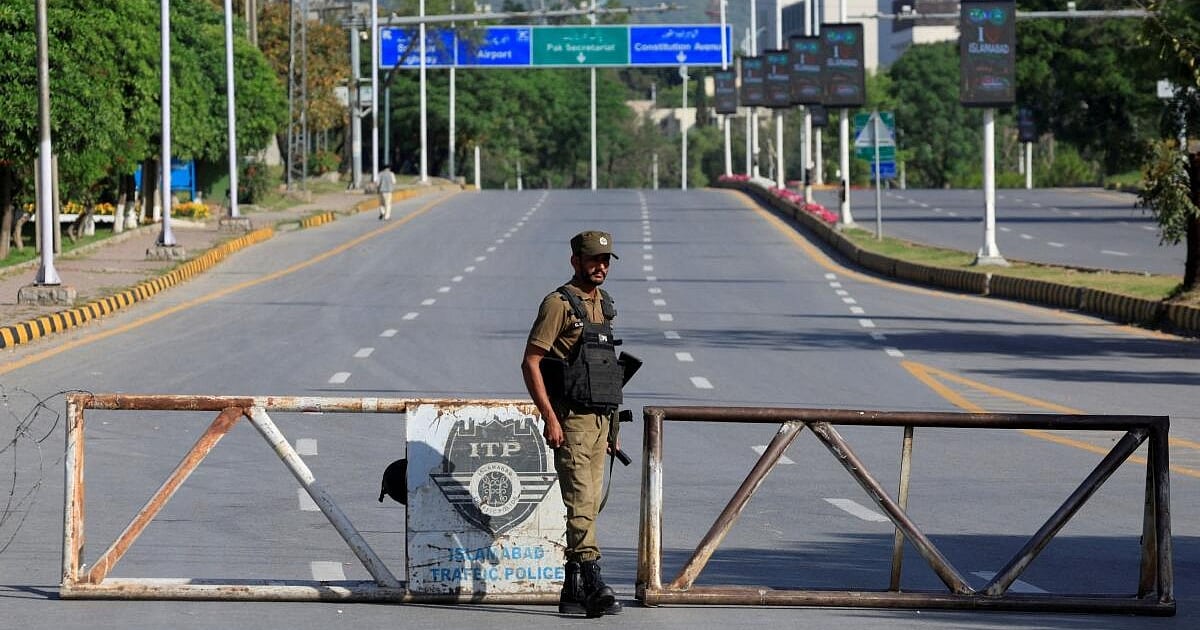
Reports say a second round of U.S.-Iran talks is set to begin soon in Islamabad, alongside a temporary ceasefire in Lebanon, raising cautious optimism for a limited diplomatic breakthrough. Pakistan’s role as an interlocutor has been boosted, while the article argues India could benefit from regional stability for energy, trade, diaspora, and corridor projects such as INSTC and IMEC. The piece also highlights improved U.S.-Pakistan ties and the potential for reduced geopolitical risk in West Asia if ceasefire and nuclear discussions progress.
The near-term market implication is less about any one diplomatic headline and more about a modest decline in the probability of a Gulf energy shock over the next 2-6 weeks. That favors lower implied volatility in crude-linked assets and reduces the tail-risk premium embedded in shipping, aviation, and India-import-sensitive sectors. The more important second-order effect is that Pakistan’s emergence as a useful intermediary marginally dilutes India’s exclusivity as the West’s preferred South Asia partner in West Asia, which could matter for corridor politics, defense procurement optics, and diplomatic leverage over the next 6-18 months.
The biggest winner is regional stability optionality: Gulf sovereigns, Indian refiners, airlines, and logistics names all benefit if the Strait of Hormuz risk premium compresses. But this is fragile because the underlying US-Iran strategic distrust is unresolved; any failure in talks, or a hardline reaction from Israel or US domestic politics, can reprice crude quickly. The market should treat this as a tactical de-escalation trade, not a structural peace thesis.
A more underappreciated angle is competitive diplomacy. Pakistan’s ability to host or facilitate talks may improve its bargaining power with Washington at the margin, especially if the US wants an intermediary that can communicate with both Tehran and Gulf capitals. That does not fix Pakistan’s macro fragility, but it can buy diplomatic relevance and potentially soften external financing perceptions, which is mildly constructive for risk assets tied to Pakistan’s sovereign story over the next 3-12 months. The contrarian miss is that traders may overestimate the durability of any ceasefire while underestimating how quickly lower geopolitical risk can unwind the recent bid in defensive energy hedges.
AI-powered research, real-time alerts, and portfolio analytics for institutional investors.
Request DemoOverall Sentiment
mildly positive
Sentiment Score
0.15
