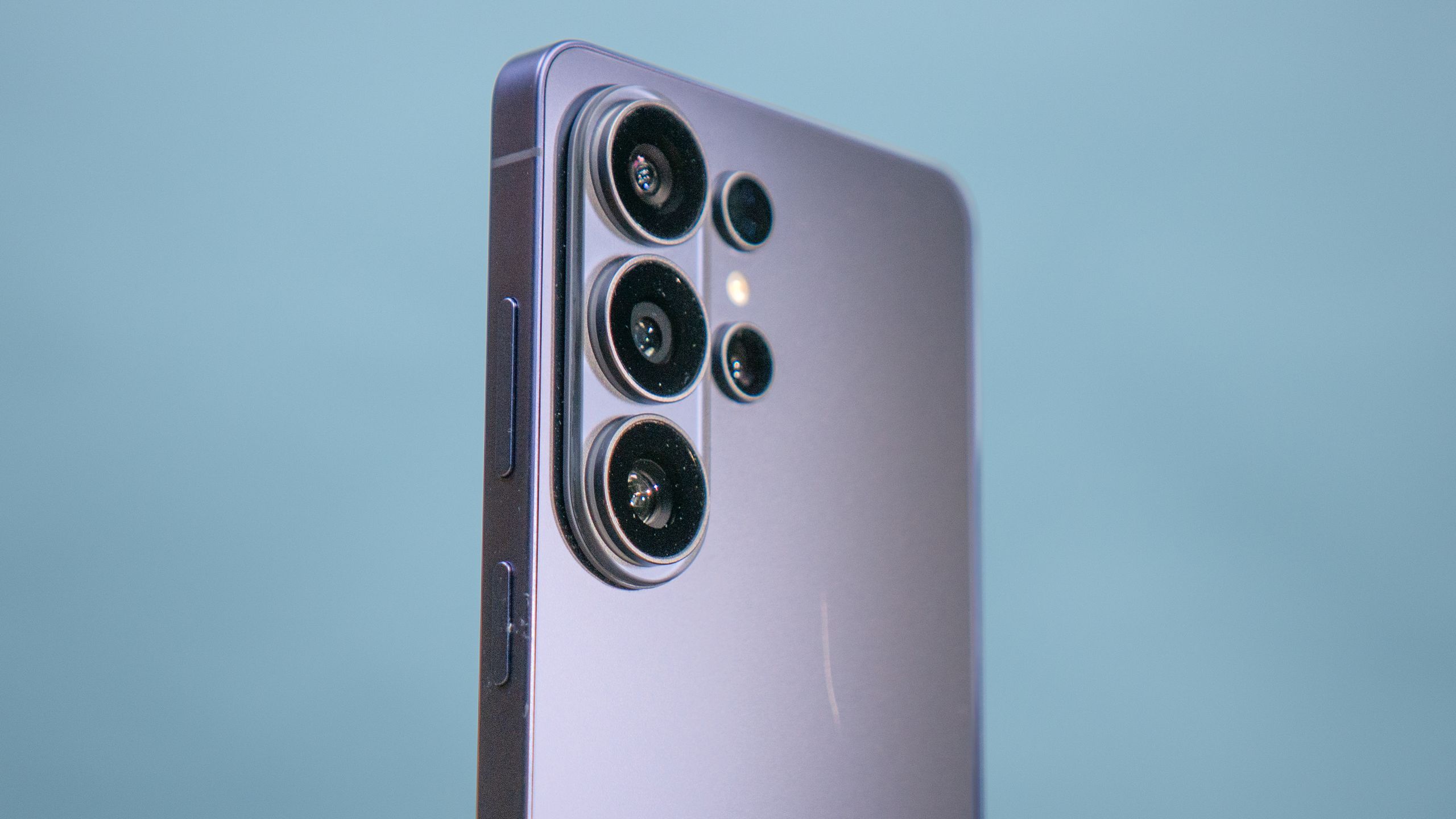
Samsung is reportedly testing silicon-carbon batteries for the Galaxy S27 Ultra, with leaks citing 12,000 mAh, 18,000 mAh, and 20,000 mAh model targets. The upgrade could materially extend battery life versus Samsung's current 5,000 mAh standard, but durability and safety concerns remain because the tested units allegedly failed at 960 charge cycles versus a 1,500-cycle commercial benchmark. The news is strategically positive for Samsung's flagship roadmap, though it is still early and speculative.
The important read-through is not about battery chemistry per se, but about Samsung’s willingness to sacrifice conservatism for endurance parity. If the company moves, it narrows one of the few remaining experiential gaps versus Chinese Android OEMs, which should reduce a quiet but persistent source of share leakage at the premium tier over the next 12-24 months. That said, the first-order beneficiary is likely not Samsung’s unit growth alone; it is the broader Android ecosystem, because a credible battery step-up raises the ceiling for on-device AI, gaming, and sustained camera performance without forcing larger chassis.
The market is probably underestimating the supply-chain implications. Silicon-carbon adoption increases the strategic value of battery-material know-how, but it also shifts leverage toward vendors that can solve swelling, cycle-life, and thermal-management tradeoffs at scale. In practice, that favors component suppliers with validation depth and manufacturing yield over pure battery-composition stories, while pressuring weaker Android brands that may be forced to absorb higher BOM costs without the brand equity to fully pass them through.
For Apple, the signal is more subtle: if Samsung normalizes a materially better battery experience in the premium segment, Apple’s current efficiency advantage becomes a smaller relative moat, especially if AI workloads lengthen real-world drain. However, Apple’s response window is measured in product cycles, not quarters, so the near-term impact is mostly narrative and option-value, not earnings. The bigger risk to the trade is that the leak is directionally right but operationally premature: validation issues could push commercialization out by 1-2 generations, which would leave the current competitive landscape intact and make this more of a story-stock catalyst than a fundamental shift.
The contrarian view is that a “battery breakthrough” may be priced as a binary leap when the first shipping implementation is likely to be incremental, not transformative. If Samsung follows the cautious path, the market may discover that most of the benefit is absorbed by higher internal power demand from AI features, meaning headline battery size and realized endurance diverge materially.
AI-powered research, real-time alerts, and portfolio analytics for institutional investors.
Request DemoOverall Sentiment
mildly positive
Sentiment Score
0.15
Ticker Sentiment
