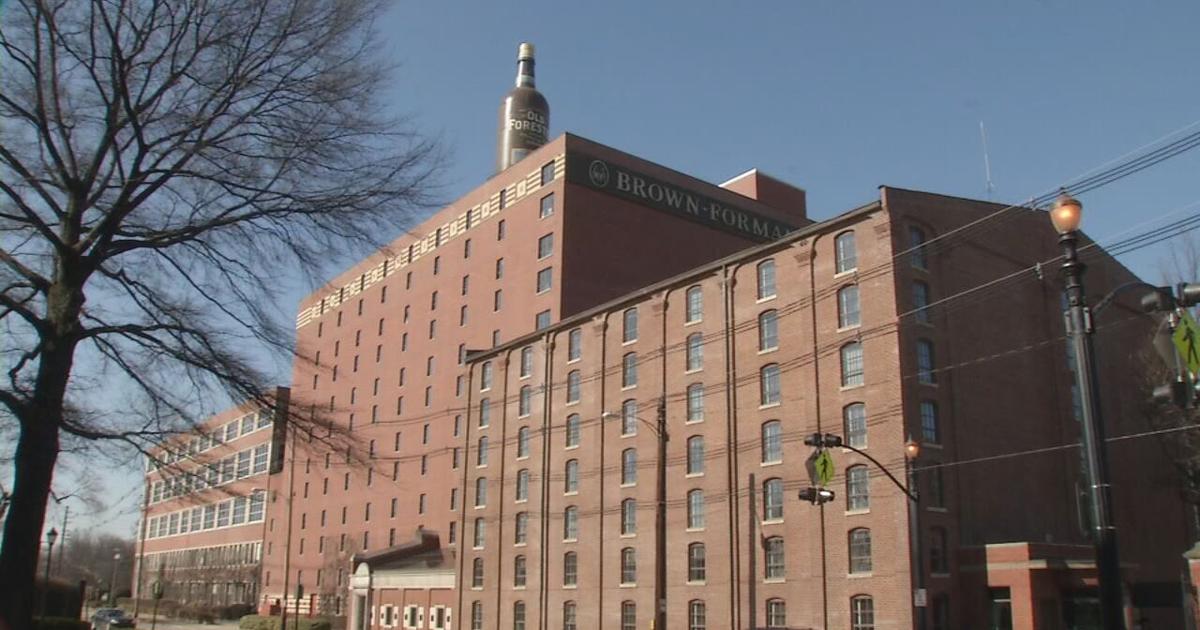
Sazerac reportedly approached Brown-Forman about a potential merger while Brown-Forman has also confirmed it was in talks with Pernod Ricard; representatives declined to comment. Brown-Forman announced a prior corporate restructuring cutting 12% of its global workforce (~5,400 jobs) and closed its Louisville cooperage in April 2025, eliminating 210 roles and saving roughly $70–$80 million annually. Brown-Forman operates in 170 countries and employs about 5,000 people worldwide, and a merger would consolidate two major Louisville spirits companies.
Heightened strategic interest in a mid-cap spirits franchisor typically creates a binary outcome: either a negotiated takeover at a meaningful control premium or continued independence with higher execution scrutiny. Expect a 15–30% prospective takeover premium priced into shares during a multi-bid process; conversely, failure to transact within 3–6 months often re-prices the stock down 8–12% as short-term synergies expectations evaporate and management credibility is re-evaluated. Operationally, consolidation dynamics favor rapid rationalization of fixed-cost footprints (barrel/aging capital, bottling lines, SG&A) which can lift EBITDA margins by 200–400bps within 12–24 months, but also concentrates counterparty risk (single-source cooperage or distribution partners) and can trigger state-level franchise negotiations that delay integration benefits. Retail shelf displacement and RTD channel fights are second-order margin risks for incumbents lacking scale in on-premise/RTD categories. Regulatory and financing paths are the main risk corridors. If the suitor is privately financed and levered, covenant pressure can force asset sales or price renegotiation within 6–12 months; if a deep-pocket strategic leads, antitrust review could impose divestitures taking 6–9 months and shaving 10–25% off projected synergies. Key near-term catalysts are formal offer filings, a competing bid, and any announced divestiture/commitment to regulators — expect implied volatility in the stock to spike around each. From a portfolio construction lens, this is an event-driven volatility play with asymmetric outcomes: short-duration option structures to capture takeover flow or a long-equity stance sized for deal-probability skew, but avoid outright large directional exposure until a firm bid clears initial regulatory signaling. Hedging around RTD/whiskey category exposure materially reduces idiosyncratic execution risk in the scenario of a failed transaction.
AI-powered research, real-time alerts, and portfolio analytics for institutional investors.
Request DemoOverall Sentiment
neutral
Sentiment Score
0.00
Ticker Sentiment
