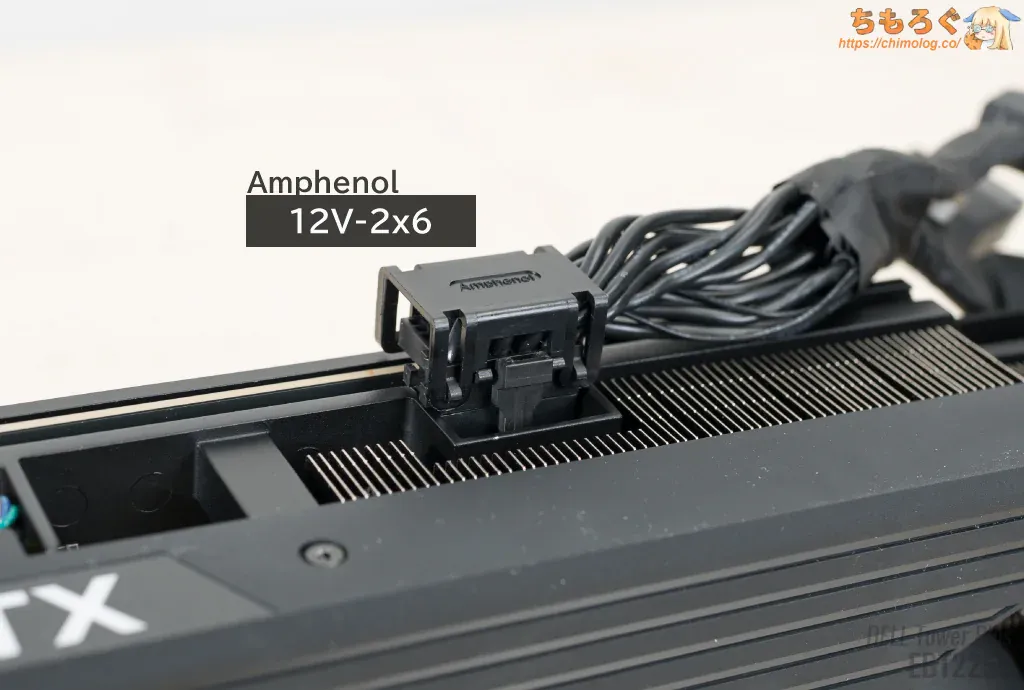
Dell's EBT2250 prebuilt uses a permanently bolted Amphenol metal fitting to secure a 12V-2x6 (16-pin) GPU power connection and an adapter that terminates in two standard 8‑pin PCIe plugs, addressing known overheating and connector-meltdown risks associated with 12VHPWR-style connectors. The system pairs a Dell-branded RTX 5070 Ti with a LITEON 1000W 80+ Platinum proprietary power supply (lacking native ATX 3.0/3.1 16-pin), a Core Ultra 275K CPU and 32 GB DDR5-5600 RAM; Dell also uses a sag bracket for the GPU. The engineering change highlights OEM risk mitigation around component safety and could modestly affect perceptions of Nvidia connector designs, PSU suppliers and prebuilt PC reliability, but is unlikely to have material near-term market impact.
Market structure: OEM reaction (Dell) creates a direct, near-term demand pulse for rugged interconnects — clear winner is APH (Amphenol) as a supplier of metal fittings and adapters; loser is reputational capital for NVDA around the 12VHPWR/16‑pin standard, which may shave tenths of percentage points off consumer upgrade cycles. OEMs reverting to standard 8‑pin adapters or bolted fittings suggests slower adoption of native ATX 3.x power rails, reducing immediate incremental revenue for PSUs and accessory makers tied to the new connector spec.
Risk assessment: Tail risks include a safety-driven recall or a high‑profile fire triggering class actions or regulatory probes (NHTSA/EU) within 30–180 days; that scenario could drive NVDA equity weakness of >10% in days. Hidden dependencies: PSU vendors (LiteOn et al.) and firmware/hardware monitoring solutions can blunt risk; supply bottlenecks at connector suppliers (Amphenol) could push component lead times 4–12 weeks and lift APH revenue and margins.
Trade implications: Tactical long exposure to APH (implausible near‑term order uplift) with tight stops; hedge NVDA idiosyncratic reputational risk using 3‑month put spreads rather than outright short. Watch Dell (DELL) for incremental costs; OEM margins may compress by low‑single digits but sales momentum for prebuilts could benefit from safety positioning, so treat DELL as neutral‑underweight short term.
Contrarian angles: The market likely overweights anecdotal connector failures relative to secular GPU demand — data center and AI demand remain primary drivers for NVDA and are unlikely to be derailed by consumer connector issues. If a recall does not materialize within 90 days, the premium for safety‑related suppliers (APH) could be overbought and mean‑revert 8–15%, creating a shortable setup.
AI-powered research, real-time alerts, and portfolio analytics for institutional investors.
Request DemoOverall Sentiment
mildly negative
Sentiment Score
-0.25
Ticker Sentiment
