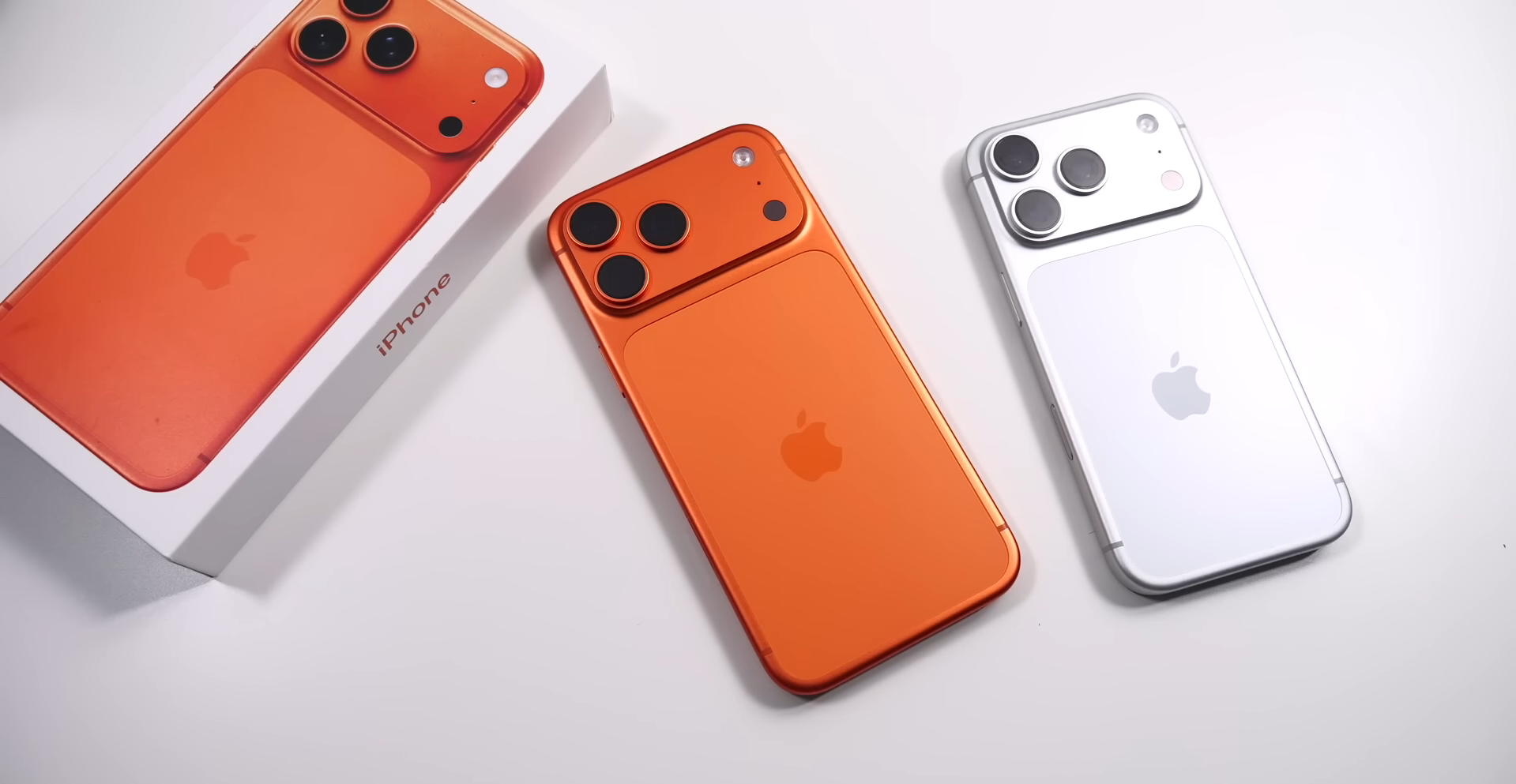
New iPhone 17, iPhone 17 Pro, and iPhone Air units are reported to have a battery-drain issue that can prevent them from turning back on after being fully depleted. A workaround appears to be using a MagSafe wireless charger for about 15 minutes, though the root cause remains unconfirmed and may involve software or voltage/battery behavior. The issue is notable for Apple’s latest hardware but is likely a limited product-quality headwind rather than a broad market event.
This reads as a quality-control issue, not a demand issue, which is why the market impact should be modest unless it becomes systematic. The key question is whether this is isolated to a narrow software/firmware edge case or whether it signals a broader first-month manufacturing or battery calibration defect that could widen return rates, support costs, and channel friction. For AAPL, the near-term risk is less headline damage than a small but measurable increase in customer hesitation during the launch window, which can matter because early adopters disproportionately influence replacement-cycle sentiment.
Second-order effects are more important for the ecosystem than for unit volume: retail staff time, Genius Bar load, and carrier activation friction all rise if consumers treat the device as unreliable when fully drained. That creates a subtle conversion tax at the point of sale, especially in-store, where one bad demo unit can disproportionately affect attach rates for accessories and trade-in upgrades. If the fix is non-obvious or requires wireless charging, it also highlights a product-design dependency that could be awkward for iPhone Air positioning, where simplicity and portability are part of the value proposition.
The base case is that this gets patched quickly and the stock barely reacts, but the tail risk is reputational compounding if social chatter clusters around “new iPhones don’t wake up,” because launch narrative damage often persists longer than the technical problem itself. A reversal would come from either an Apple-confirmed software update or evidence that the issue is confined to a tiny cohort with no meaningful return-rate impact. Absent that, this is more likely to hit launch-week sentiment and accessory attach than quarterly iPhone demand, so any equity dislocation should be faded rather than chased.
AI-powered research, real-time alerts, and portfolio analytics for institutional investors.
Request DemoOverall Sentiment
mildly negative
Sentiment Score
-0.20
Ticker Sentiment
