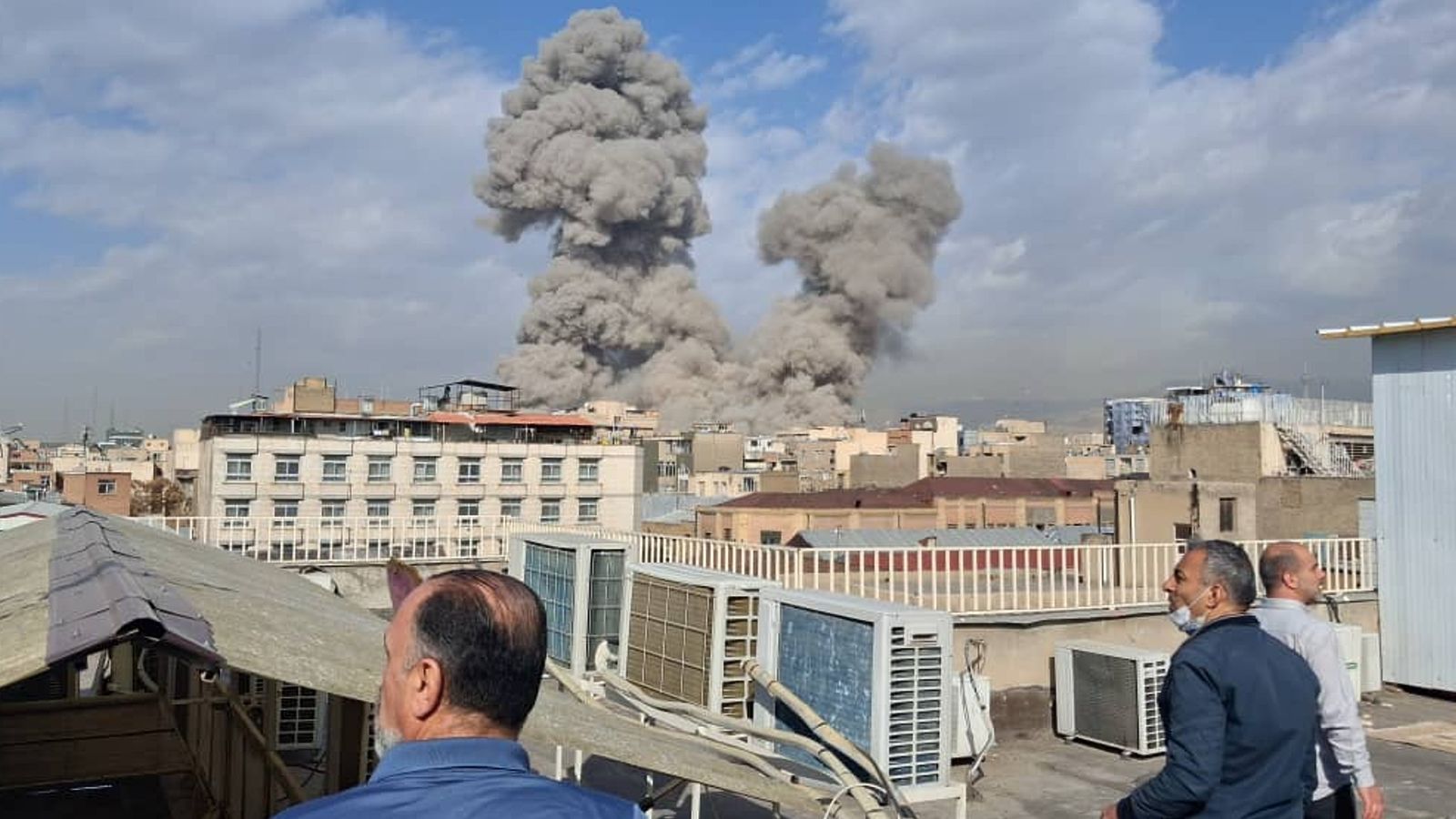
President Trump, reportedly aligned with Israel, appears to be pursuing regime change in Iran after recently optimistic Geneva talks mediated by Oman showed remaining gaps; urgent diplomatic activity and evacuation warnings preceded reported strikes across the Middle East. Western embassies relocated non-essential staff and Israeli concerns over Iran’s ballistic missile program and past attacks on missile sites have raised the prospect of a broader regional conflagration, which presents immediate downside risks for risk assets, upward pressure on oil and energy markets, and potential upside for defense-related securities.
Market structure: Immediate winners are defense contractors (Lockheed LMT, RTX, NOC, GD) and upstream energy (XOM, CVX, SLB) as risk premia push military budgets and oil prices; losers include airlines (AAL, DAL, LUV), EM equities/sovereign debt and tourism-sensitive consumer names. Expect a 5–15% move higher in Brent in the first 2–10 trading days with correlated 1–3% rally in gold (GLD) and a 1–2% USD appreciation; corporate credit spreads in EM likely to widen 50–200bps. Options markets will reprice skew with VIX jumping into the 25–40 area if strikes continue.
Risk assessment: Tail scenarios include Strait of Hormuz disruption (Brent >$120 within 30 days) or a broader regional war dragging NATO exposure — both would push global growth lower and force sanctions contagion. Short-term (days–weeks) volatility and flight-to-quality dominate; medium-term (3–12 months) the key risk is sustained oil shock and inflation forcing higher yields (10y US ~50–100bps higher from baseline). Hidden dependencies: insurance/shipping re-routes, clearing house margin calls and EM FX liquidity; catalysts include proxy missile strikes, OPEC+ production moves and any formal US troop escalation.
Trade implications: Direct plays favor 3–5% tactical longs in LMT/RTX/GD/NOC (equal-weight) and 2–4% longs in XOM/CVX, funded by 1–2% shorts in AAL/DAL; use 1–3 month call spreads on energy names to control cost and buyputs or VIX-call spreads for portfolio insurance. Rotate into defensive utilities and gold miners (GDX) on any >10% market drop; scale in over 3–10 trading days and trim if Brent falls >15% from peak or a ceasefire is announced within 14–30 days.
Contrarian angles: Consensus may overpay pure defense exposure and oversell EM long-term: defense valuations often price in a permanent premium — prefer high free-cash-flow names (LMT) over smaller cyclicals. The market may overreact; a renewed diplomatic path could see oil collapse 15–25% in 1–4 weeks, so favor option structures (buy-write/call-spreads) over outright long leverage. Historical parallels (1990–91 Gulf spike then reversion) argue for phased entry and event-driven exits tied to Brent and VIX thresholds.
AI-powered research, real-time alerts, and portfolio analytics for institutional investors.
Request DemoOverall Sentiment
strongly negative
Sentiment Score
-0.70
