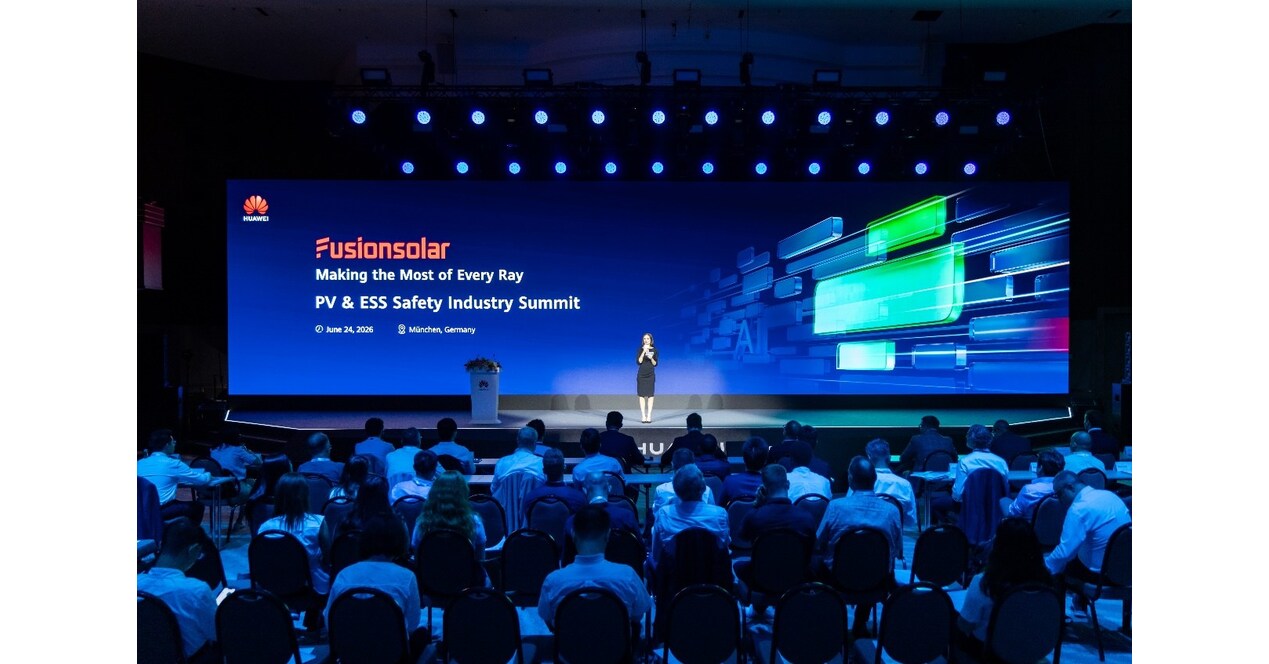
Huawei Digital Power zorganizowała w Monachium pierwszy w 2026 r. szczyt branżowy poświęcony bezpieczeństwu instalacji PV oraz systemów magazynowania energii (PV+ESS), koncentrując się m.in. na lukach w dopasowaniu ubezpieczeń oraz wyzwaniach testowych i awaryjnych. W artykule wskazano, że łączna moc BESS w Niemczech to 19 GW oraz że branża w kolejnych 3 latach musi dostosować się do nowych wytycznych dot. bezpieczeństwa i ograniczeń regulacyjnych. Podkreślono podejście „jakość przede wszystkim”, integrację ilościowej oceny bezpieczeństwa z mechanizmami ubezpieczeniowymi oraz publikację białej księgi dot. bezpieczeństwa ESS typu grid-forming.
This is a policy-and-standards story, not an immediate earnings catalyst. For WTW, the real value is in becoming the toll collector for underwriting complexity: if storage projects increasingly require quantified safety dossiers, brokered placement, and bespoke risk engineering, advisory revenue can rise without balance-sheet risk. That is more attractive than a pure carrier view because the monetization sits in fees and recurring consulting, which should carry higher margins and less catastrophe volatility over 6-18 months.
The second-order winner is the highest-quality ESS vendor stack and the loser is the long tail of integrators that cannot document failure modes or support claims with test data. Tighter insurance terms tend to raise project hurdle rates, which can delay CODs, compress IRRs, and shift demand toward bankable incumbents with better field history. In Europe especially, this can widen the gap between utility-scale developers that can absorb compliance costs and smaller EPCs that depend on aggressive leverage to close deals.
Near term, the market is likely to overread the theme as broadly bullish for storage; in practice it is selective and potentially bearish for marginal deployments. The key catalyst window is 1-3 months, when renewal language, financing covenants, and procurement specs start reflecting these safety standards; the structural read-through is 6-18 months if insurers actually price install-level fire risk into capital costs. The thesis breaks if battery incidents stop rising, if regulators fail to codify the new testing regime, or if insurers keep treating ESS as a niche rather than a portfolio risk.
AI-powered research, real-time alerts, and portfolio analytics for institutional investors.
Request DemoOverall Sentiment
neutral
Sentiment Score
0.08
Ticker Sentiment
