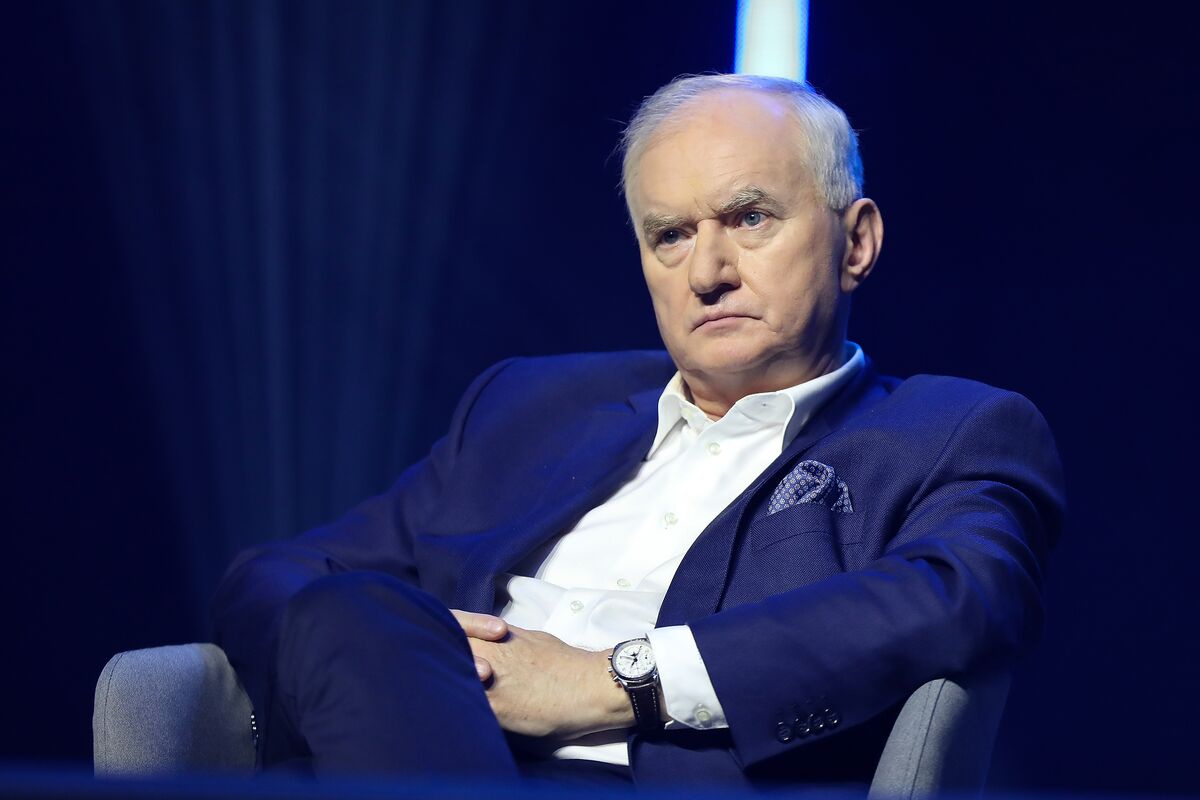
State-controlled PGE SA removed CEO Dariusz Marzec and deputy Maciej Gorski in a regulatory filing a week before a pending regulator decision on electricity bills, naming industry veteran Dariusz Lubera as acting CEO. The company gave no reason for the dismissals, introducing governance and policy uncertainty ahead of a potentially market-sensitive tariff decision that could affect PGE’s revenue outlook and investor sentiment.
Market structure: The surprise sacking of PGE SA’s CEO days before a regulator ruling is a de facto shock to expectations about allowed retail/tariff outcomes and signals increased political/regulatory intervention risk. Direct losers are incumbents with large regulated retail books (PGE.WA, ENA.WA, TPE.WA) — expect 10–25% downside volatility if tariffs are capped; winners are short-duration sovereign/credit plays and FX hedges as risk premia reprice. Competitive dynamics: forced management change raises probability of price controls or asset transfers, reducing incumbent pricing power and favoring merchant generators and renewables with off-take contracts; market share could reallocate 3–8% within 12 months in contested industrial supply contracts. Supply/demand: the move implies regulators may block cost pass-through, squeezing margin and forcing thermal dispatch changes — could increase merchant demand for gas/coal in short term and flip to lower net supply from capital-constrained incumbents over quarters.
Risk assessment: Tail risks include a punitive tariff cap or forced divestment (low probability, high impact) that could widen PGE credit spreads by 100–200bp and force equity writedowns >30% over 6–12 months. Immediate (days) risk is knee-jerk equity/FX volatility; short-term (weeks) risk is widening utility CDS and bond yields; long-term (quarters) is accelerated decarbonization funding gaps. Hidden dependencies: state ownership creates political-timing risk around elections and budget pressures; contagion to sovereign yields is non-linear if bond market starts pricing fiscal support. Catalysts: regulator decision (expected ~7 days), government commentary, PGE bond auctions or rating agency reviews.
Trade implications: Direct short PGE.WA (or buy puts) and buy protection via Poland 5y CDS; expect 15–25% equity downside and 50–150bp CDS widening within 3 months if tariffs are unfavourable. Pair trades: short PGE.WA / long RWE.DE or ENEL.MI (European integrated utilities with diversified markets) to capture regulatory idiosyncrasy while hedging power-price exposure. FX/credit trades: tactically long USD/PLN via 1–3m forwards (target +1–3% PLN depreciation) and buy 3–6m protection on Polish utility bonds. Options: prefer 3-month put spreads on PGE.WA to limit premium spend and express directional view ahead of the regulator decision.
Contrarian angles: Consensus sees only governance noise; miss is that management change increases chance of constructive settlement (temporary tariff relief to households paired with state recap) — this would re-rate equity up 10–20% if signalled within 1–3 months. Reaction may be overdone for well-capitalized integrated peers; mispricing exists in bonds of non-state peers where spreads widen indiscriminately. Historical parallels: past Eastern European utility interventions led to short-term equity pain but medium-term consolidation opportunities for private players. Unintended consequences: aggressive shorting could push government to backstop PGE, creating sharp squeeze — cap positions and size protection trades accordingly.
AI-powered research, real-time alerts, and portfolio analytics for institutional investors.
Request DemoOverall Sentiment
moderately negative
Sentiment Score
-0.35
