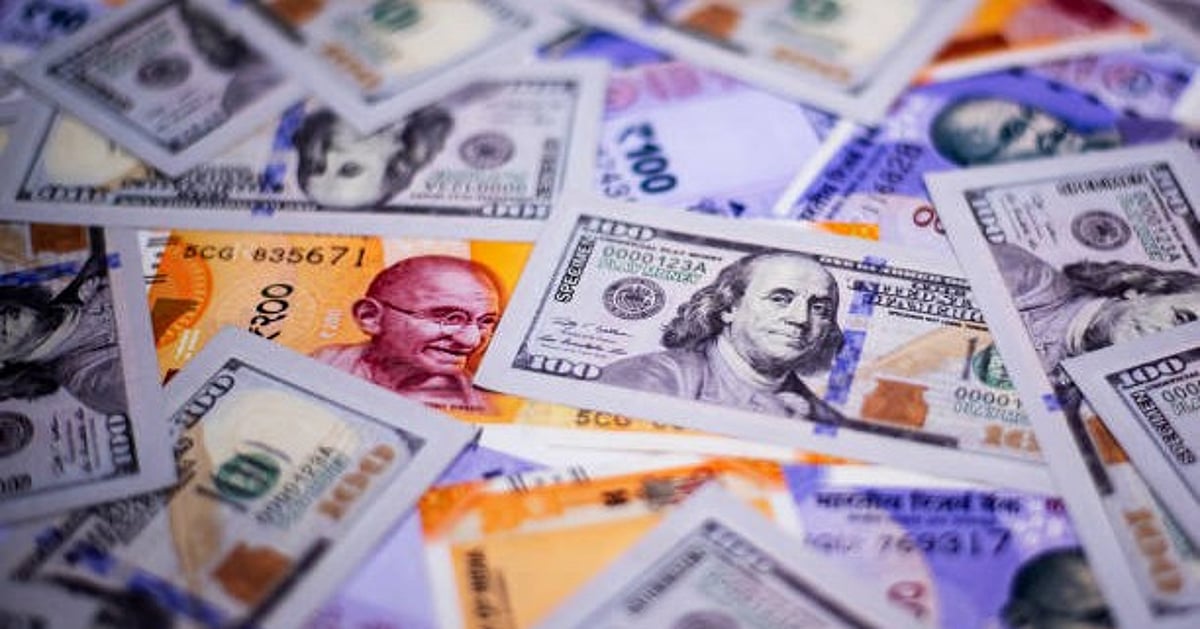
The rupee is nearing the Rs 100 per US dollar level, prompting frequent RBI intervention to support the currency. The article argues the bigger policy risk is inflation, especially if higher energy costs persist, and suggests letting the rupee depreciate rather than defending a psychological threshold. The key macro focus is on imported inflation and energy bills rather than the exchange-rate level itself.
A weaker rupee is not just an FX story; it is a delayed tax on the entire domestic cost stack. The first-order hit lands in imported energy and fertiliser, but the more interesting second-order effect is on inflation persistence: once transport and input costs reprice, RBI gets boxed into keeping real rates tighter for longer, which can slow the credit cycle even if growth data looks fine on the surface.
The market is likely underestimating how asymmetrically this hits consumption. Import-heavy sectors and discretionary names with thin pricing power can absorb a few rupees of depreciation, but if the move becomes orderly toward a new range rather than a one-off overshoot, margin compression compounds over 2-3 quarters. Exporters with USD revenue and mostly local cost bases are the natural hedge, but the bigger winner is not just IT — it is any company with foreign currency earnings and limited imported inputs.
The contrarian point is that a clean break higher in USD/INR may actually reduce policy error risk. Defending an arbitrary level can burn reserves and force tighter liquidity conditions without changing the underlying balance of payments, whereas allowing depreciation can preserve reserves and avoid a more damaging domestic credit squeeze. The key catalyst to watch is oil: if energy remains elevated for weeks, the rupee move becomes structurally harder to reverse; if oil rolls over quickly, FX pressure can fade faster than consensus expects.
AI-powered research, real-time alerts, and portfolio analytics for institutional investors.
Overall Sentiment
mildly negative
Sentiment Score
-0.25
