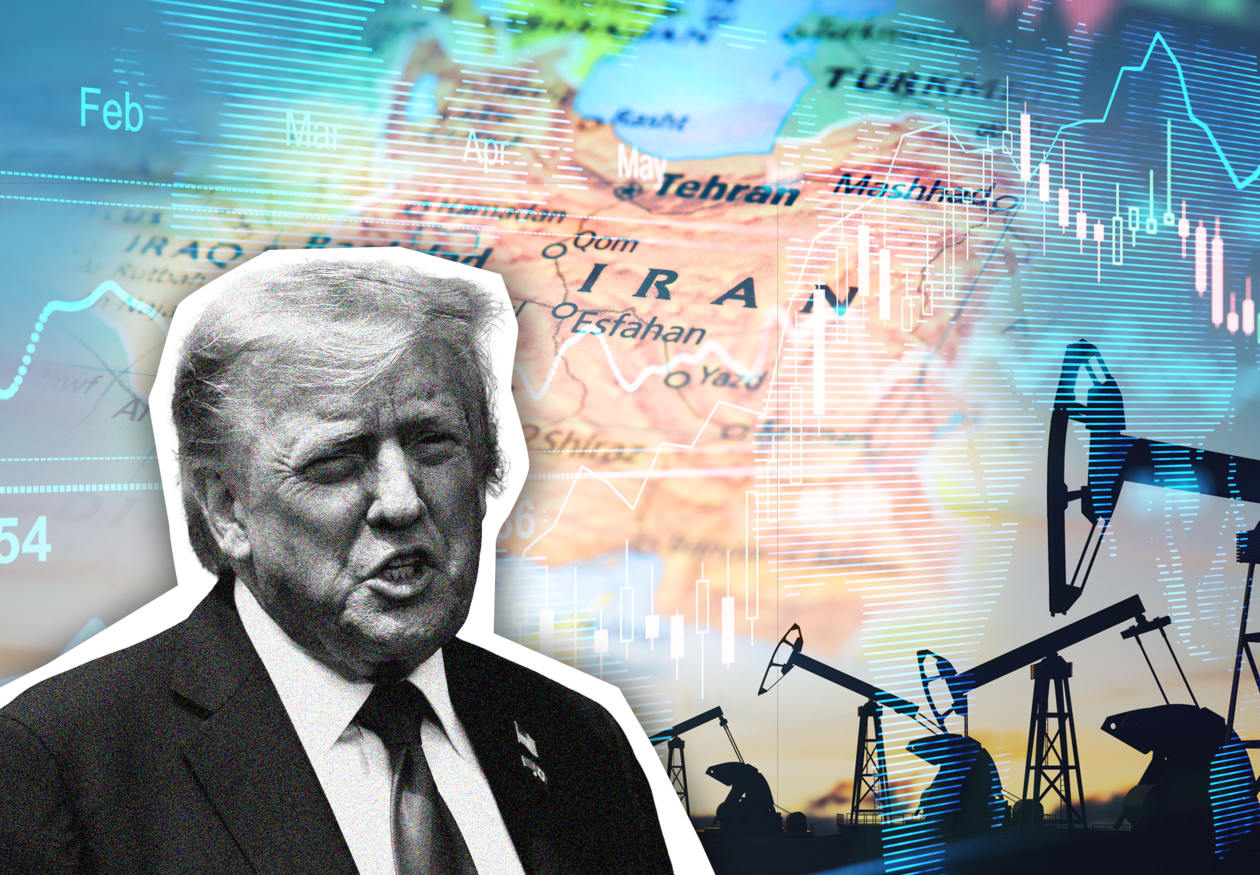
Geopolitical tensions following U.S. actions against Iranian nuclear sites have paradoxically led to surging shipping and marine insurance costs through the critical Strait of Hormuz, benefiting operators and insurers, while simultaneously causing a sharp initial drop in global oil prices. Despite Iran's parliamentary vote to close the Strait, analysts largely dismiss a full closure as economically self-damaging for Iran and globally opposed, though any disruption would still risk a significant worldwide oil price spike, impacting global consumers and corporate America despite minimal direct supply stress for the U.S.
Geopolitical escalation following U.S. military action against Iran has created a significant disconnect between physical transport costs and spot energy prices. While WTI and Brent crude futures fell sharply by 7.2% due to the absence of an immediate supply cut, the costs to move that supply have surged. Daily charter rates for very large crude carriers (VLCCs) from the Middle East to China have more than tripled since June 12, reaching $75,941 per day, and marine insurance premiums for vessels transiting the Strait of Hormuz have more than doubled to a range of 0.25%-0.45% of ship value. This dynamic creates a favorable environment for tanker operators and insurers. Despite a parliamentary vote in Iran to close the strait, which channels 20% of global petroleum consumption, analyst consensus views a full closure as improbable, deeming it a 'self-inflicted wound' that would halt Iran's own 1.7 million barrels per day of exports. The U.S. has limited direct supply risk, with only 8.5% of its crude imports originating from the Persian Gulf, but the market remains on high alert as any actual disruption to the 20 million barrels per day flow would trigger a global price shock, impacting consumers and corporations worldwide.
AI-powered research, real-time alerts, and portfolio analytics for institutional investors.
Overall Sentiment
mixed
Sentiment Score
0.00
Ticker Sentiment
