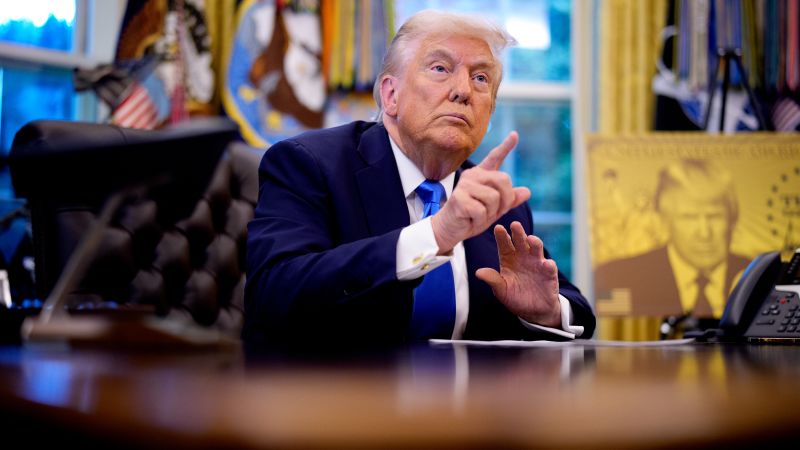
The Trump administration is imposing a new, one-time $100,000 fee on all new H-1B visa applications, effective immediately and set to expire in September 2026, aiming to incentivize companies to hire American workers. This policy is expected to significantly impact U.S. tech and professional services industries heavily reliant on skilled foreign talent, with major sponsors like Amazon, Google, and Meta facing substantial increased costs. While intended to boost American employment, particularly for recent graduates, the fee could prompt companies to shift hiring initiatives abroad and is likely to face immediate legal challenges regarding its statutory authority.
The executive order imposing a new $100,000 one-time fee on new H-1B visa applications introduces a significant, immediate cost escalation for companies reliant on skilled foreign labor, particularly within the technology and professional services sectors. According to USCIS data, this policy will disproportionately affect computer-related roles, which constituted 64% of approvals in fiscal 2024. Major technology firms are the most exposed, with Amazon (over 9,000 approved visas), Google (5,364), Meta (4,844), Microsoft (4,725), and Apple (3,873) being the top sponsors in FY2024. While these mega-cap companies may possess the financial capacity to absorb these costs, the fee could be prohibitive for startups and smaller businesses, potentially altering the competitive landscape for talent. The policy's intended outcome of incentivizing domestic hiring is uncertain; historical precedent cited from the pandemic-era immigration slowdown suggests it could instead lead to domestic worker shortages and prompt companies to accelerate offshoring hiring initiatives to countries like India and Canada. The policy's viability is further clouded by significant legal uncertainty, with experts questioning its statutory authority, making legal challenges and a potential judicial stay a primary risk factor to its implementation and longevity.
AI-powered research, real-time alerts, and portfolio analytics for institutional investors.
Overall Sentiment
moderately negative
Sentiment Score
-0.50
Ticker Sentiment
