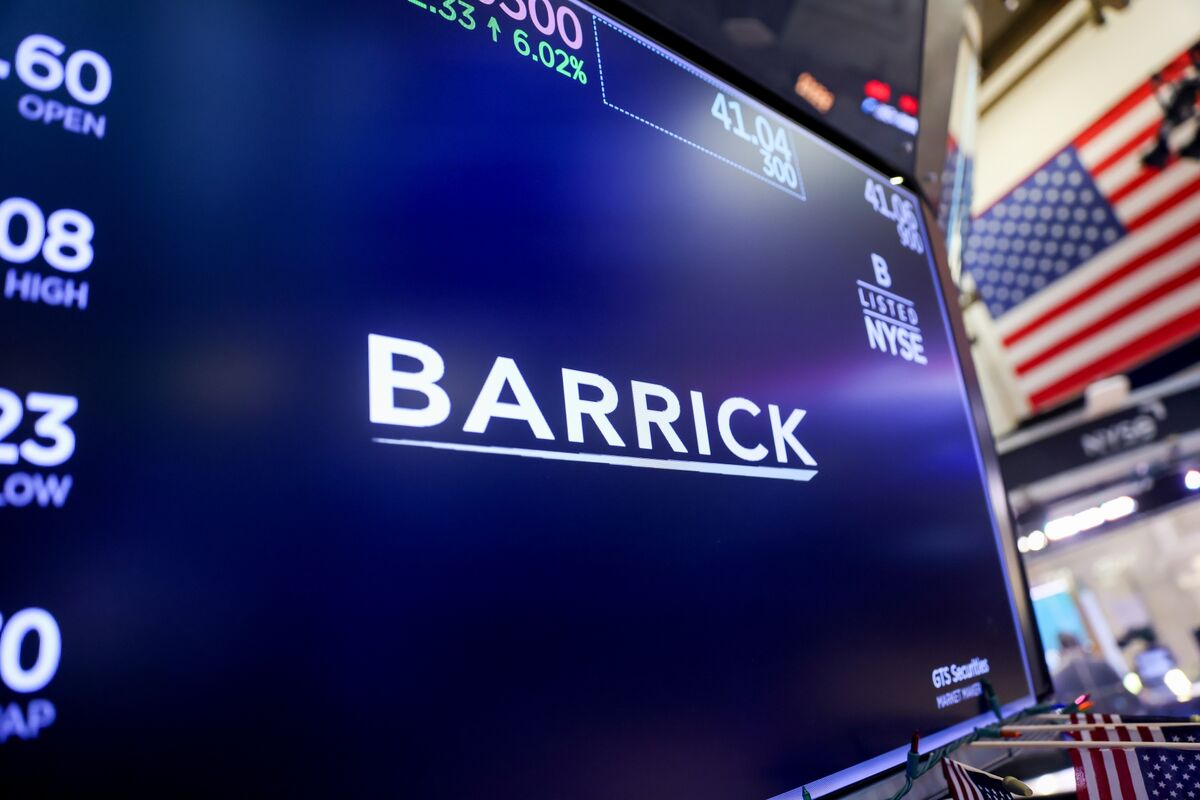
Barrick Mining authorized up to $3 billion of share repurchases, signaling confidence in strong free cash flow and perceived undervaluation of its stock. The buyback is intended to return capital to shareholders ahead of the planned IPO of North American Barrick. The announcement is supportive for sentiment and may modestly lift Barrick shares, though it is not a sector-wide catalyst.
This is less a simple capital-return headline than a signaling event: management is telling the market it believes the equity discount is wider than the option value of retaining cash ahead of a corporate simplification event. In precious metals, buybacks matter most when they coincide with a credible shift from “capital allocator of last resort” to “FCF harvesting,” because that can compress the conglomerate discount faster than spot gold can re-rate the whole group. The key second-order effect is on peers with weaker capital discipline: if Barrick can repurchase stock into a still-solid commodity backdrop, investors will pressure other large-cap miners to follow with either higher payouts or asset sales.
The near-term winner is likely the stock itself if execution is disciplined, but the bigger medium-term winner may be the implied breakup/IPO story. A partial monetization of North American assets can reframe the remaining entity as a cleaner, higher-quality residual, which tends to lift multiples more than headline distributions alone. That said, the market will quickly test whether the authorization is genuine or merely optionality; miners often announce large repurchases and then under-deliver if gold weakens or sustaining capex rises.
The main risk is timing: buybacks are most accretive when the share price is depressed and gold is stable-to-rising, but the setup can reverse over 1-3 months if real yields move higher or if the planned IPO disappoints on valuation. There is also a subtle execution risk: if the North American IPO is perceived as funding a buyback rather than strategic simplification, investors may read it as financial engineering rather than value creation. In that case, the stock could lag despite the authorization, especially if peers with cleaner jurisdictional exposure become the preferred way to express gold beta.
Consensus may be underestimating how much this improves the bear case on dilution and overestimating the immediate cash return. The buyback ceiling is large enough to matter, but the real signal is that management sees better marginal use of capital in retiring stock than in incremental M&A, which is an implicit negative for industry deal activity. If the IPO lands well, this can become a multi-quarter rerating catalyst; if it doesn’t, the announcement becomes a ceiling on downside rather than a sustainable driver of upside.
AI-powered research, real-time alerts, and portfolio analytics for institutional investors.
Request DemoOverall Sentiment
mildly positive
Sentiment Score
0.48
Ticker Sentiment
