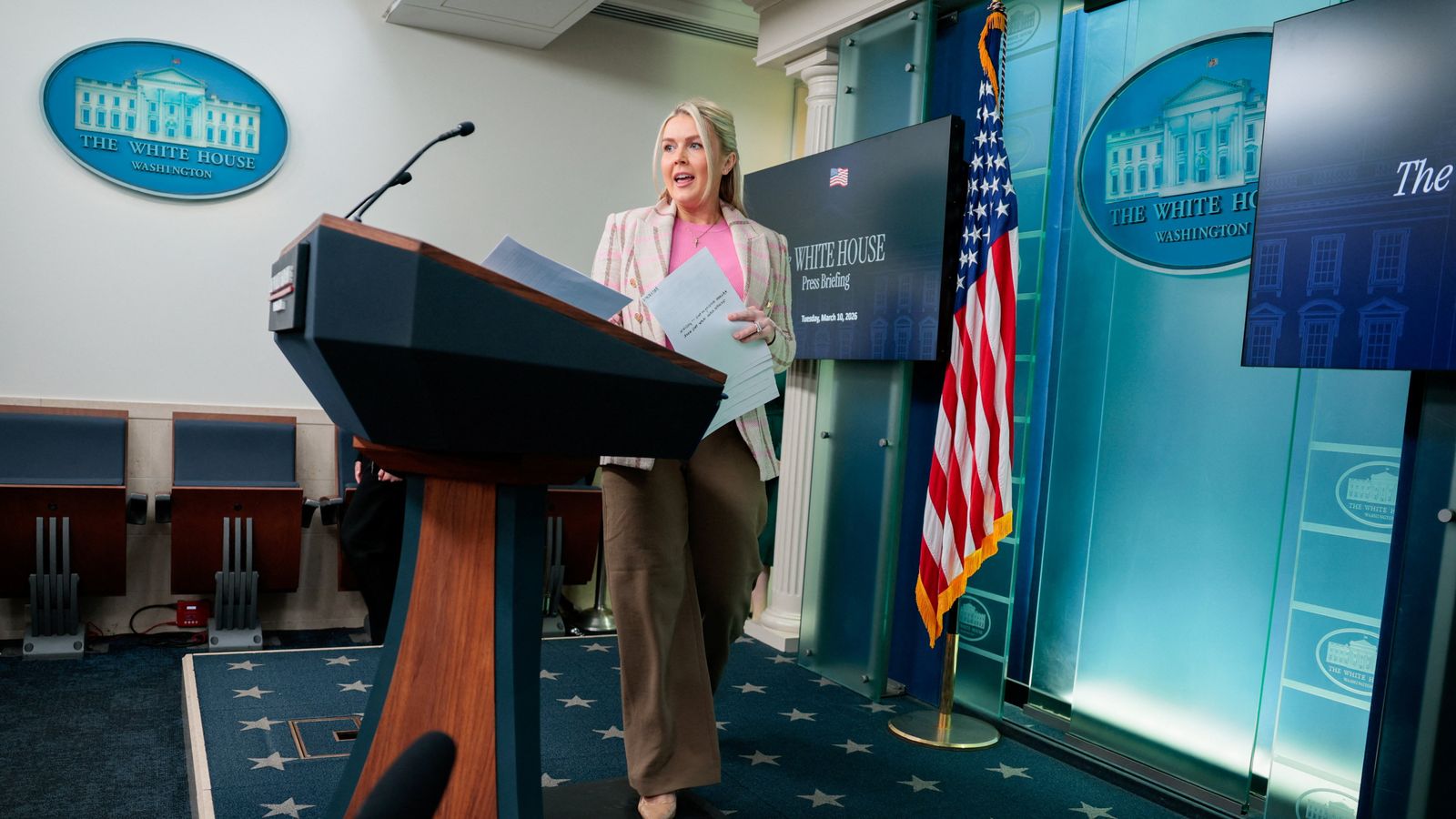
A reported Iranian threat to 'eliminate' former President Donald Trump came after the US president accused Tehran over a blockade of the Strait of Hormuz. The episode raises the risk of disruption to oil flows through a critical chokepoint, increasing the potential for higher oil prices and broader risk-off volatility across markets.
Elevated rhetorical escalation between the US and a Gulf actor amplifies tail-risk priced into energy and shipping markets without necessarily changing fundamentals. In the first 48-72 hours expect a volatility spike driven by war-risk insurance premia and tanker repositioning — a 10-20% short-term uplift in tanker rates is plausible, which flows directly to public tanker owners and to freight-sensitive suppliers. Over 2-8 weeks, the marginal impact shifts from spot freight to refined product differentials and regional refinery utilization as rerouted cargoes increase transit times and bunkering costs by a few percent, compressing margins for refiners reliant on tight throughput windows.
On the political front, escalatory messaging materially changes incentives for US election-year policy: it raises the probability of near-term defense spending narratives and selective sanctions rollouts that favor primes and niche export-control software/analytics vendors. Conversely, global trade incumbents face second-order squeeze — container lines and just-in-time manufacturers see booking cancellations and increased transit insurance, which is asymmetric because rate shock is immediate while new tanker capacity or diplomatic relief lags months. The medium-term mean reversion path is credible: naval presence, insurance market responses, and diplomatic backchannels historically trim realized disruptions within 4-12 weeks absent kinetic escalation.
AI-powered research, real-time alerts, and portfolio analytics for institutional investors.
Overall Sentiment
moderately negative
Sentiment Score
-0.60
