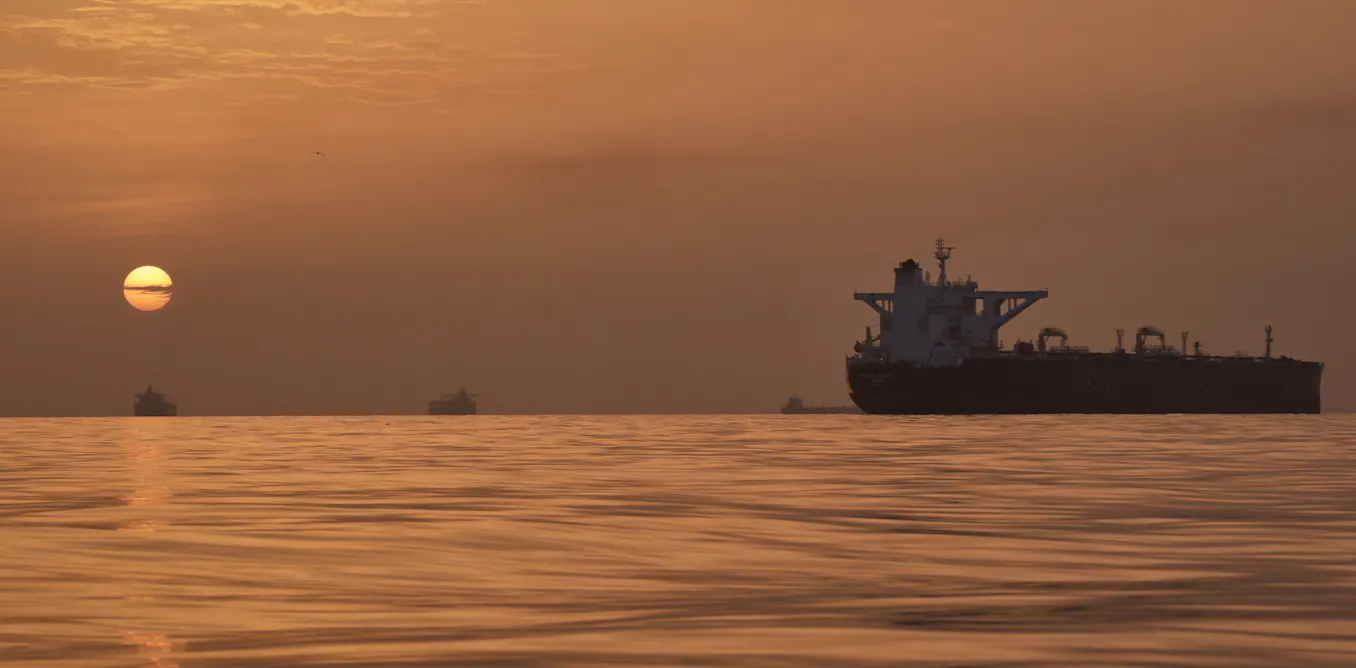
The article says Iran closed the Strait of Hormuz, a critical energy chokepoint, after years of weakening diplomatic and economic restraints. The blockade is already disrupting fuel-dependent economies and pushing up North American gas prices and trucking costs, with broader spillovers to Pakistan, Bangladesh, and global shipping. The piece frames the event as a systemic geopolitical shock with major implications for oil flows and trade.
This is less a one-off shipping shock than a regime change in how energy risk is transmitted. A closure of Hormuz re-prices not just prompt crude, but the entire non-linear stack: LNG, refined products, marine insurance, tanker utilization, and ultimately freight-linked inflation expectations. The second-order effect is that the market may initially underprice duration — if flows reroute only partially, the real damage shows up with a lag in inventory drawdowns, refinery run cuts, and widening time spreads rather than an immediate spot spike alone. The biggest winners are not just upstream producers, but volatility and scarcity-sensitive intermediaries: tanker rates, non-Russia alternative crude arb, and regional storage/logistics assets with optionality on rerouting. The losers are downstream consumers with weak pass-through, especially airlines, trucking, chemicals, and import-dependent EMs that lack subsidy buffers. A prolonged closure also creates a policy cliff for central banks: higher fuel inflation collides with softer growth, which usually steepens the probability of stagflationary repricing in cyclicals. The key catalyst path is diplomatic, not military. Any credible multi-party de-escalation that restores revenue channels can unwind the blockade premium fast, but absent that, the market is vulnerable to a self-reinforcing inflation shock over days to weeks, with macro damage accumulating over months. The contrarian risk is that positioning may already be crowded long energy beta, so the cleaner expression may be relative value rather than outright commodity longs; scarcity winners can outperform even if headline crude retraces on headlines. A deeper miss in consensus is that the most fragile assets are often not the most obvious energy consumers but the businesses with regulated or contracted pricing and no fuel pass-through. That includes certain transport names and emerging-market consumer names exposed to imported fuel and subsidy stress. If the strait remains closed beyond a few weeks, the market should start pricing credit risk and political instability in second-tier importers, not just commodity inflation.
AI-powered research, real-time alerts, and portfolio analytics for institutional investors.
Request DemoOverall Sentiment
strongly negative
Sentiment Score
-0.78
