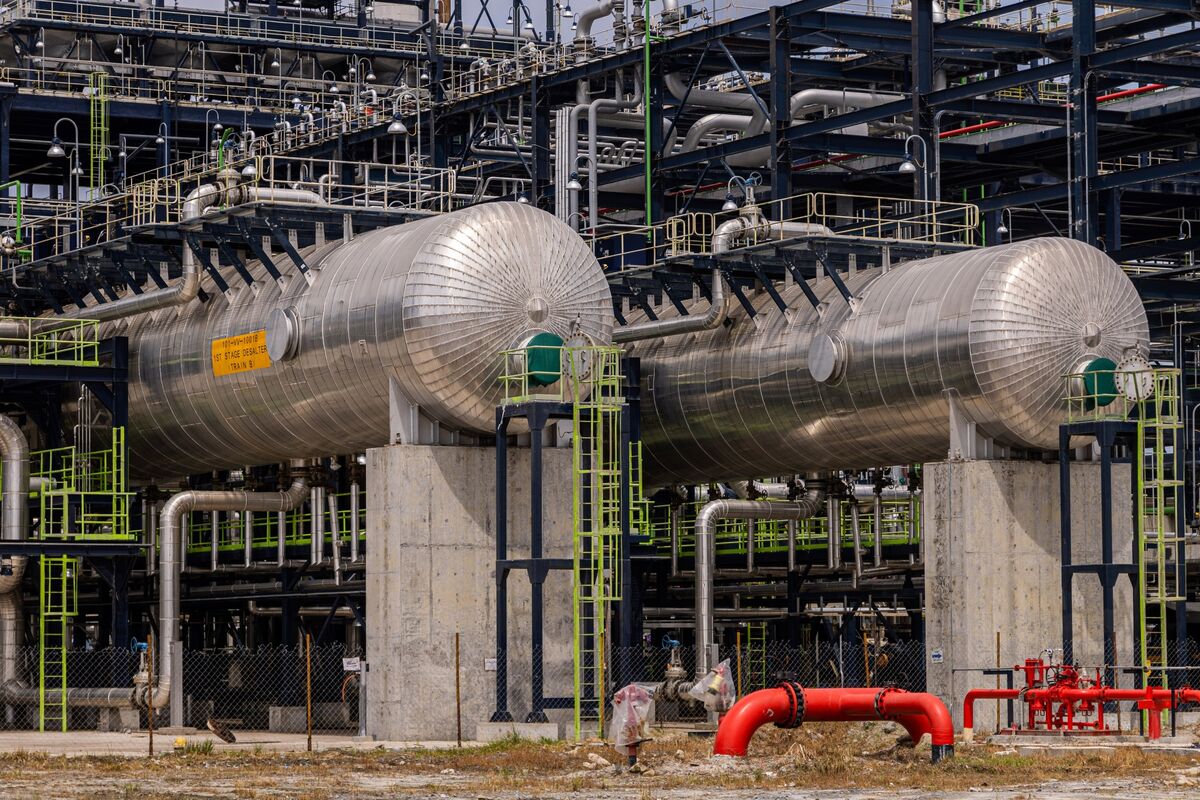
$40 billion is required over the next five years to fund Dangote Group's expansion — including quadrupling fertilizer output and more than doubling oil refinery capacity — according to the African Export-Import Bank. The plan aims to shore up regional energy and fertilizer supply amid Persian Gulf conflict-driven disruptions, potentially positioning Nigeria as a regional supply anchor for fuel and crop nutrients.
Dangote’s build-out is not just capacity expansion — it’s a shift in trade architecture for West Africa that converts seaborne finished-product demand into regionalized industrial flows. Expect a move from long-haul tanker/reefers and bulk fertilizer parcels toward shorter coastal distribution, barging and land logistics, compressing spot freight and export premia for suppliers who traditionally arbitraged into Africa.
A binding constraint and economic lever is feedstock: large-scale nitrogen fertilizer requires steady, competitively priced natural gas and ammonia logistics; project economics will hinge on long-term gas offtake contracts and gas-pricing formulas that can reallocate upstream cashflows. That creates a two-way political lever — governments can steer local pricing/subsidies to secure social objectives, or capital providers (ECAs/Chinese banks) can extract preferential supply/offtake terms, which will influence who actually benefits.
Second-order winners include listed Nigerian E&P and midstream players able to supply crude and gas domestically, and port/logistics contractors that capture inland distribution margins; listed global exporters and short-haul product tanker owners face margin erosion in the region. Key near-term catalysts are FID announcements, signed long-term gas/ammonia offtakes, and the first train/refinery debottlenecking (18–36 months); reversal risks include financing withdrawal, FX controls, feedstock shortfalls, or a rapid re-opening of Persian Gulf supply that restores seaborne competition within 6–12 months.
AI-powered research, real-time alerts, and portfolio analytics for institutional investors.
Overall Sentiment
mildly positive
Sentiment Score
0.30
