
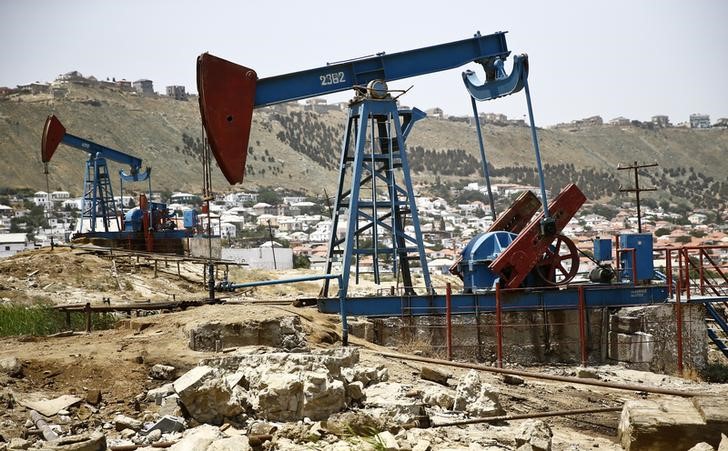
Iran has reportedly ended its long-running intermediary system for crude sales and will have the National Iranian Oil Company resume sole authority over marketing Iranian oil. The change follows the killing of several IRGC officials tied to shadow-fleet operations used to evade U.S. and EU sanctions, with Malaysian refiners saying they lost contact with key handlers. The development underscores ongoing disruption to sanctioned oil flows to China and India, but the immediate market impact appears limited.
The immediate market impact is less about headline oil supply and more about the quality of marginal barrels. If Iran’s distribution network becomes more centralized and less covert, flows likely become more brittle, with higher friction costs, slower turn times, and greater volatility in discounting to Brent. That is mildly bullish for seaborne crude differentials and for tanker utilization, but the bigger second-order effect is on the sanction-avoidance ecosystem: traders, blending hubs, and shadow logistics operators may see a temporary squeeze as compliance risk rises.
For equities, this does not move TSLA directly in the next few sessions, but it matters through energy price expectations and inflation breakevens. A sustained tightening in crude logistics would support gasoline prices at the margin, which is a negative input for consumer discretionary budgets and a small tailwind to EV adoption narratives over 6-12 months. The more important point is that if crude stays range-bound because the market assumes Iranian exports will reappear via a new channel, then the headline risk is overdone and energy-linked inflation hedges will fade quickly.
The contrarian setup is that sanctions enforcement often creates a short-lived disruption followed by adaptation. If the market is already assuming lost barrels, any fast re-routing through alternative intermediaries could reverse the move within weeks, not months. That argues for trading the volatility, not the outright direction: the cleanest expression is on the logistics and shipping side, where the asymmetric outcome is higher freight rates and tighter vessel availability even if crude prices barely move.
AI-powered research, real-time alerts, and portfolio analytics for institutional investors.
Overall Sentiment
neutral
Sentiment Score
-0.05
Ticker Sentiment
