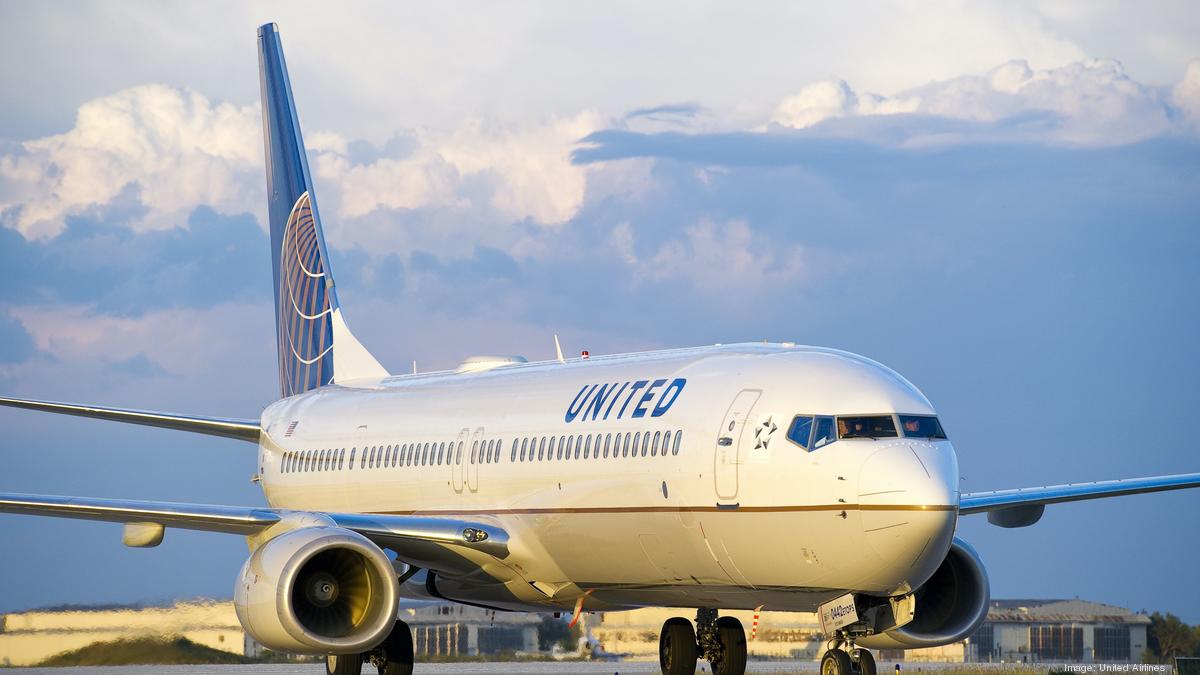
United Airlines CEO Scott Kirby confirmed he approached American Airlines about a merger, but talks ended after American declined to engage. The article centers on a potential airline consolidation effort rather than financial results or operational metrics. The immediate market impact appears limited, though the comments keep M&A and antitrust speculation in focus for the airline sector.
The strategic value of a UAL-AAL combination is less about near-term network math and more about forcing a re-rating of competitive expectations across U.S. aviation. Even though the deal is not active, the mere fact that management is testing consolidation tells you the industry still sees structural overcapacity and weak pricing discipline as the core problem; that is mildly bullish for the strongest operators and bearish for the weakest, because it raises the probability of future capacity rationalization even without a signed transaction.
The second-order issue is regulatory: a failed approach now does not eliminate antitrust risk later, it likely hardens it. That means any future consolidation attempt will likely require a cleaner divestiture package and a longer timeline, which favors carriers with better balance sheets and premium revenue mix because they can fund share repurchases or fleet investment while smaller peers remain constrained. AAL is more exposed to the downside because merger speculation can become a governance overhang: if standalone execution disappoints, investors may increasingly treat it as a structurally challenged asset rather than a cyclical recovery story.
For the broader group, this is a subtle positive for LUV, DAL, and JBLU only if it accelerates discipline among legacy carriers; if not, it can keep valuation multiples suppressed by preserving uncertainty around industry structure. The real catalyst window is months, not days: until there is either a formal transaction, activist pressure, or a clear earnings inflection, the market will likely trade the headline as an option on consolidation rather than a fundamental change. The contrarian takeaway is that the underappreciated upside is in UAL, not AAL: UAL can use credible M&A interest to support a premium strategic narrative and signal confidence in its own execution, while AAL becomes the embedded call option on a future rescue premium with much higher execution risk.
AI-powered research, real-time alerts, and portfolio analytics for institutional investors.
Request DemoOverall Sentiment
neutral
Sentiment Score
-0.05
Ticker Sentiment
