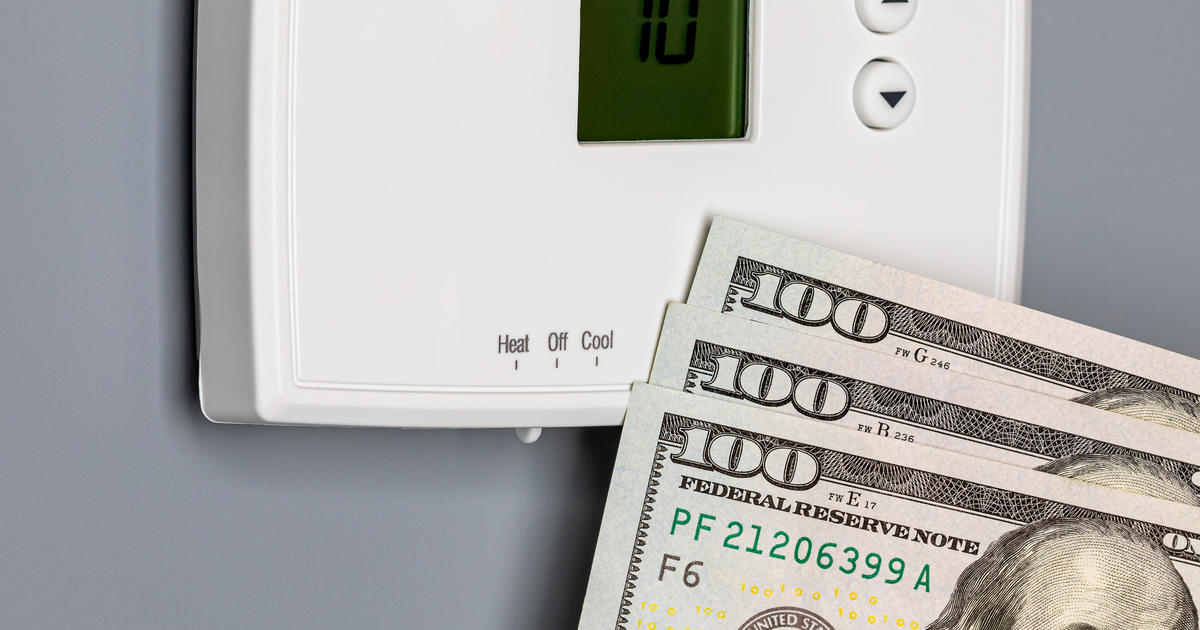
West Virginia households are facing extreme utility inflation, with some monthly electric bills approaching or exceeding mortgages; one resident reported a $940 February bill and another said annual electricity costs topped $5,000. Nationwide electricity prices rose 4.8% in February and natural gas 10.9% year over year, while utility rate-hike requests could affect more than 80 million Americans. The article also ties rising bills to aging coal-heavy infrastructure, extreme weather, higher gas prices, and growing power demand from data centers, making utility affordability a political issue ahead of elections.
This is not just a utility-bill story; it is an affordability shock with second-order political and corporate consequences. The key market implication is that ratepayer stress is becoming self-reinforcing: higher bills increase delinquency, which raises utility working-capital needs, which supports more rate-hike requests, while elected officials face pressure to delay or deny them. That feedback loop is most acute in states with aging generation fleets and weak income growth, where consumers have the least ability to absorb pass-through costs.
The broader winner set is narrow. Incumbent utilities and fuel suppliers can still pass through costs, but the reputational and regulatory discount is widening, especially where data-center load growth collides with constrained transmission and politically sensitive retail rates. That argues for lower-quality regulated utilities in high-burden states underperforming higher-growth utilities with cleaner load profiles, better rate-case economics, or embedded transmission assets. It also means retailers exposed to utility-driven discretionary compression in lower-income regions could see incremental weakness, even if the article’s named chain is not the primary channel.
The market is likely underpricing the timing of political intervention. The next catalyst is not a structural energy reform; it is election-cycle pressure for ad hoc relief measures, utility commission scrutiny, and selective moratoria on large-load interconnections over the next 3-9 months. If power demand from data centers keeps rising while household bills stay elevated into winter, expect utility politics to become a state-level campaign issue, which can compress multiples for utilities with visible capex without corresponding load certainty.
Contrarian view: the consensus may be too focused on fuel prices and not enough on fixed-cost recovery. Even if natural gas stabilizes, bills can remain elevated because transmission, distribution, storm hardening, and aging-plant maintenance are now the dominant pass-throughs. That makes a simple ‘commodity down, bills down’ bet dangerous; the cleaner trade is on regulatory intensity and load growth sensitivity, not just commodity direction.
AI-powered research, real-time alerts, and portfolio analytics for institutional investors.
Request DemoOverall Sentiment
strongly negative
Sentiment Score
-0.72
Ticker Sentiment
