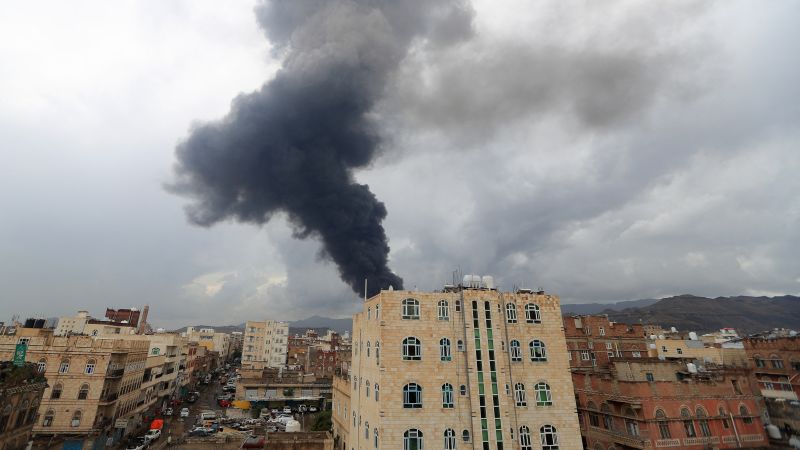
Israel conducted retaliatory airstrikes in Yemen, targeting Houthi military sites, power plants, and fuel storage, following the Iran-backed rebels' launch of a new type of missile with sub-munitions at Israel. This escalation, which resulted in casualties in Sanaa, underscores deepening regional instability, with Israeli officials vowing severe consequences for Houthi aggression while Houthi leaders and Iran affirm continued support for their actions.
A significant escalation in Middle Eastern geopolitical conflict has occurred, with Israel conducting extensive retaliatory airstrikes against Houthi-controlled targets in Yemen. The strikes, involving over 10 fighter jets, targeted critical infrastructure, including two power plants and a fuel storage site in the capital, Sanaa, reportedly causing dozens of casualties. This direct military action was a response to the Houthis' deployment of a new missile variant containing sub-munitions against Israel, indicating a notable advancement in the rebels' offensive capabilities. Statements from Israeli leadership, including Prime Minister Netanyahu and Defense Minister Katz, signal a determined and punitive military posture, promising to exact a "very heavy price" for the aggression. The Houthi regime, with vocal support from Iran's Supreme Leader, has vowed to continue its attacks, cementing the conflict's entrenchment. The situation's high market impact score of 0.7 and strongly negative sentiment reflect the substantial risk of further destabilization, with direct implications for regional energy infrastructure and critical maritime shipping lanes.
AI-powered research, real-time alerts, and portfolio analytics for institutional investors.
Request DemoOverall Sentiment
strongly negative
Sentiment Score
-0.75
