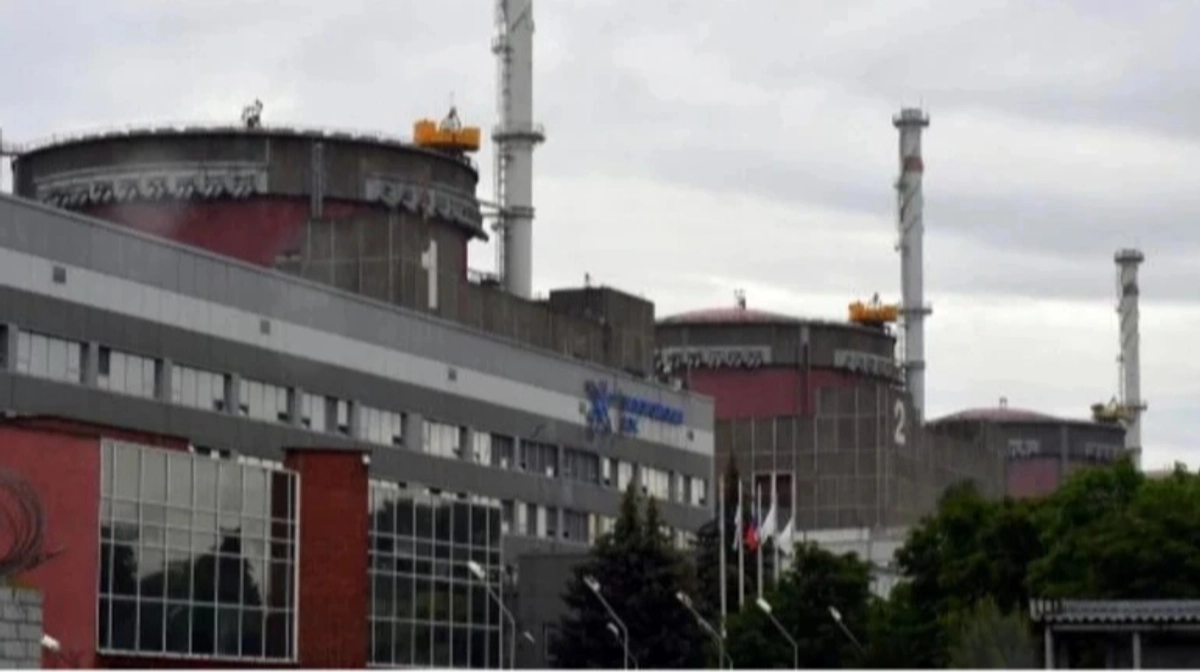
The IAEA reported a 12-hour communications outage at the Zaporizhzhia Nuclear Power Plant on 27 May, the longest since Russia's full-scale invasion of Ukraine. The outage coincided with reported attacks near Enerhodar and came alongside repeated disruptions to electricity supply in the area, underscoring elevated nuclear safety risk. Grossi also warned that critical grid and diesel-fuel reliability remain essential to reactor cooling and backup power at ZNPP and other Ukrainian nuclear sites.
This is less a discrete headline than a signal that Ukraine’s power-system risk is becoming a recurring operational variable rather than a one-off tail event. For markets, the first-order read is not reactor catastrophe probability so much as a higher floor on European power-risk premia, especially in winter-sensitive baseload and balancing markets across Eastern Europe and adjacent hubs. The second-order effect is that every additional incident raises the discount investors apply to grid reliability, which can widen volatility in utilities, sparklier merchant power names, and any industrials exposed to Ukrainian reconstruction timing.
The immediate beneficiary is the security-of-supply complex: diesel logistics, backup power, generators, grid equipment, and defense-adjacent infrastructure providers. The more durable winner is any non-Russian gas or power source that can displace emergency demand if a facility or regional grid is stressed; this supports the thesis for LNG-linked equities and power infrastructure capex, not just during the event window but over months as Europe treats resilience as a strategic capex category. Conversely, the losers are utilities and heavy industrials with near-term Ukraine/Eastern Europe exposure, where even a low-probability disruption can force higher insurance, working-capital, and contingency costs.
The catalyst path matters: a 1-2 week period without further escalation likely fades quickly, but repeated outages or substation strikes would force a repricing in forward power curves and implied volatility, particularly in winter contracts. The real tail risk is not an isolated plant issue; it is cascading confidence loss in grid stability that leads operators to preemptively hoard diesel, curtail load, and bid up spare capacity. That can create a broader risk-off impulse in European utilities and industrials even without any direct nuclear incident.
Consensus is probably still underestimating how much of the market’s reaction will come through infrastructure bottlenecks rather than headline geopolitics. The trade is not simply “war bad”; it is that fragility in critical infrastructure makes volatility self-reinforcing, and markets usually price that with a lag. If there is no follow-through, this should mean-revert; if there is, the move in power-risk assets can accelerate sharply because liquidity in the relevant listed proxies is shallow relative to the size of the policy and physical hedging demand.
AI-powered research, real-time alerts, and portfolio analytics for institutional investors.
Request TrialOverall Sentiment
strongly negative
Sentiment Score
-0.55
