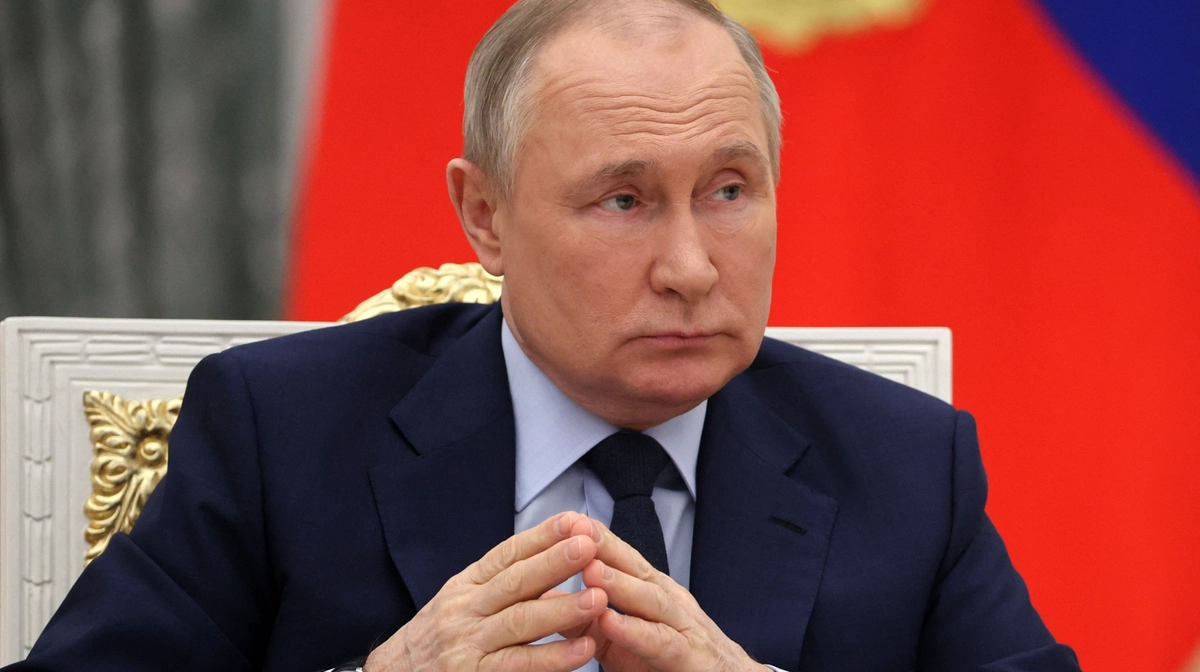
EU leaders are preparing for possible direct talks with Russia on ending the war in Ukraine, but there is still no consensus on who would represent the bloc, when talks should begin, or what proposal to put forward. European officials say coordination is needed and that Moscow is not yet showing signs of readiness for meaningful negotiations. The development underscores continued geopolitical uncertainty, though it is more of a strategic policy signal than an immediate market-moving event.
This is not a near-term peace catalyst; it is a coordination signal that Europe is preparing for a post-Ukraine negotiating architecture. The market implication is mainly through probabilities, not cash flows: any credible European channel raises the odds of a messy ceasefire framework, which would compress the geopolitical risk premium embedded in European defense, energy, and industrial-security narratives over the next 6-18 months.
The first-order loser is the “duration trade” in defense procurement assumptions. If markets start to price even a modestly higher chance of talks, the biggest beta squeeze is likely in European primes and munitions supply chains that trade on multi-year replenishment cycles; however, a real settlement would probably not reduce spending quickly because inventories are depleted and governments have already shifted from crisis procurement to structural rearmament. The more vulnerable segment is suppliers priced for continuous wartime urgency rather than multi-year baseline rearmament.
The second-order winner is Europe’s political center: a negotiated channel reduces dependence on Washington’s process risk and gives Brussels more leverage over sanctions timing, reconstruction financing, and frozen-asset diplomacy. That can support select European banks and construction/materials names later, but only if the path to talks looks durable; a false start would likely be bearish for cyclicals as it revives uncertainty without changing physical war risk.
Contrarian view: the consensus is probably overestimating how quickly any negotiation would matter for assets. Russia has incentives to use talks to split EU unity, and Europe’s lack of a single interlocutor means the process itself could drag on for quarters. The tradeable edge is to fade the most war-premium-rich names on headlines, while keeping a longer-duration exposure to firms that benefit from permanent European rearmament rather than an immediate peace dividend.
AI-powered research, real-time alerts, and portfolio analytics for institutional investors.
Request DemoOverall Sentiment
neutral
Sentiment Score
-0.05
