

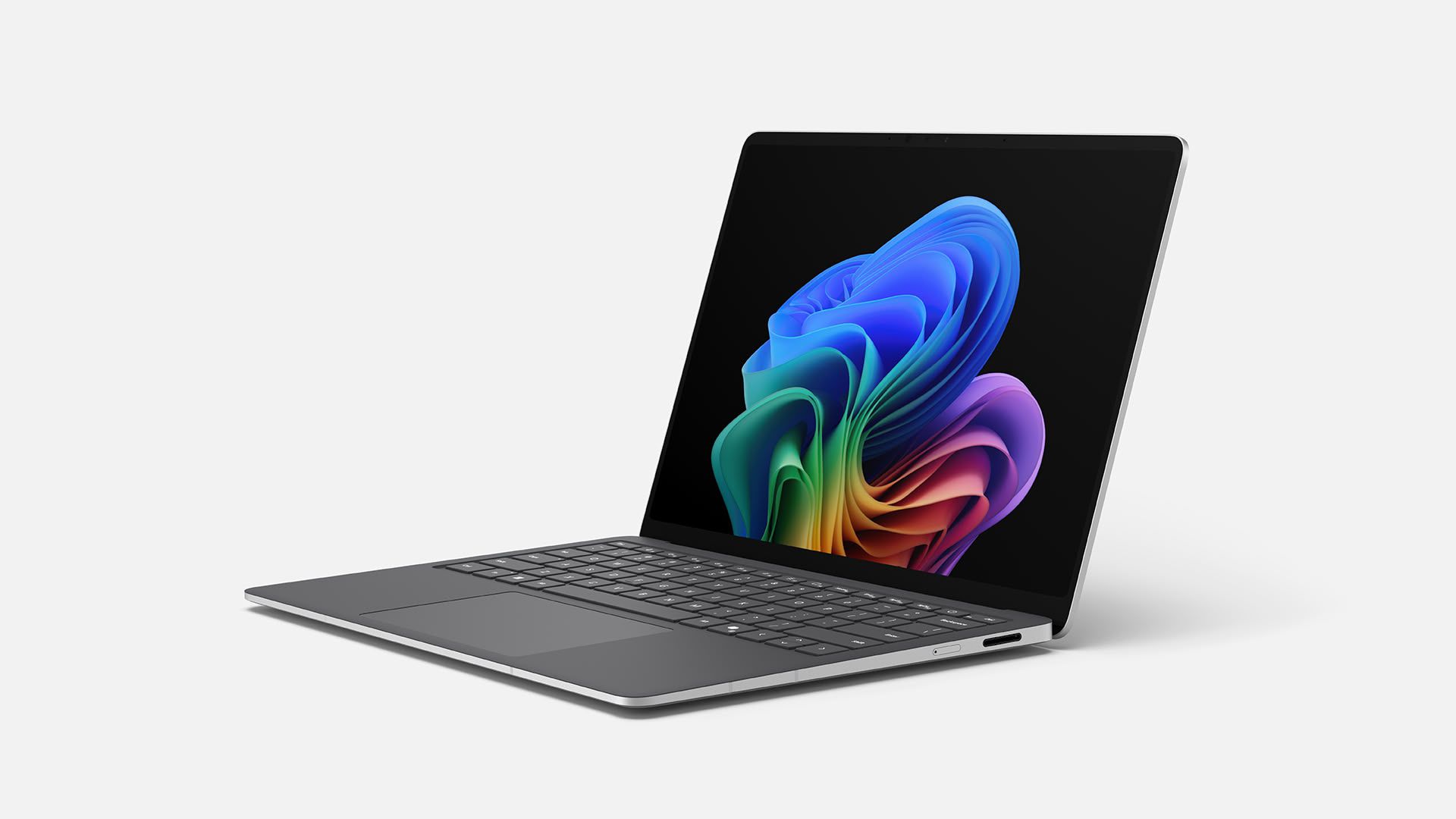
Microsoft raised prices across all Surface PCs, with the 12-inch Surface Pro increasing from $799 to $1,049 and the flagship 13-inch Surface Pro rising from $1,199 to $1,499; Surface Laptop models now start at $1,149, $1,499, and $1,599. The company blamed recent increases in memory and component costs, and said the higher pricing reflects broader supply pressures tied to global memory shortages. The move makes Microsoft’s PCs less competitive versus Apple equivalents and could weigh on consumer demand, though it is more of a margin-preservation step than a direct earnings event.
Microsoft is signaling that consumer PC pricing is no longer a pure demand lever; it is becoming an input-cost pass-through market. That matters because Surface is not just a hardware P&L line, it is a reference price for the Windows OEM ecosystem, so higher Surface ASPs can quietly legitimize broader Windows notebook inflation without requiring a formal industry price reset.
The immediate winner is Apple, but the second-order winner is the entire premium PC stack that can defend gross margins with stronger software/service attach and better supply discipline. Microsoft’s price actions also imply that memory remains the tightest constraint in the device chain, which should keep pressure on DRAM/NAND spot and contract pricing for at least the next 2-3 quarters if AI server buildouts continue to consume capacity.
For Microsoft, the bigger risk is not unit demand elasticity in the next quarter; it is brand damage and share leakage over the next 2-4 quarters as buyers compare premium Surface configurations against Macs that now look better on value and performance. If this persists into the holiday refresh cycle, Surface could lose relevance as a halo product, forcing Microsoft to lean harder on channel incentives or bundle economics later, which would reverse part of the margin benefit.
The contrarian angle is that this may be less about Microsoft regaining pricing power and more about a broader component supercycle that eventually compresses demand across consumer devices. If memory stays scarce, OEMs can preserve dollar revenue while sacrificing units, but the market usually underestimates how quickly consumers trade down or defer upgrades once sticker shock crosses key thresholds like $1,000 and $1,500.
AI-powered research, real-time alerts, and portfolio analytics for institutional investors.
Request TrialOverall Sentiment
moderately negative
Sentiment Score
-0.35
Ticker Sentiment
