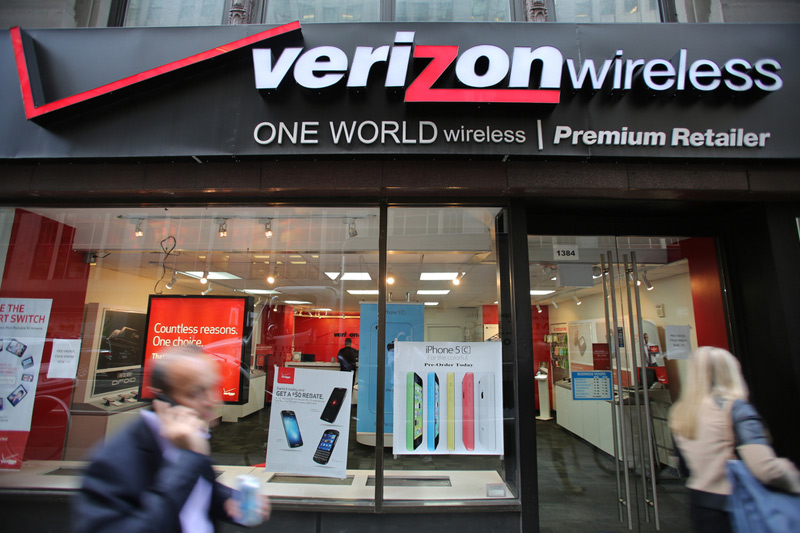
Erste Group downgraded Verizon to Hold from Buy, citing growth below sector averages even as it expects EPS to rise 4% to 5% to about $4.90-$4.95 in 2026. Verizon trades at 11.71x earnings with a 5.95% dividend yield, and management has raised the dividend for 21 consecutive years. Recent operating trends were mixed-to-positive, including 55,000 first-quarter postpaid phone additions and 341,000 broadband additions, but the downgrade reflects limited growth upside versus peers.
The downgrade matters less for Verizon’s near-term earnings trajectory than for what it says about the market’s tolerance for low-growth cash compounds. With rates still elevated, a 6% dividend yield is no longer enough on its own to mask sub-sector growth; the stock can stay “cheap” for a long time if wireless ARPU and broadband adds merely normalize rather than re-accelerate. That creates a valuation ceiling unless management can show sustained postpaid momentum for multiple quarters, not just a single print.
The more interesting second-order effect is competitive: if Verizon is finally stabilizing churn, pressure shifts to smaller telecom players and cable MVNOs that had been winning on price. A durable Verizon recovery would likely come via pricing discipline, which can compress industry promos and reduce handset subsidy intensity across the group; that helps cash flow, but it also limits the upside from subscriber gains because rivals can respond quickly with aggressive bundle offers. The real winner in a “slower but profitable” telecom tape is capital return, not growth.
Contrarianly, the move may be slightly overstated if investors are using growth screens rather than free-cash-flow screens. Verizon’s setup is closer to a bond proxy with modest embedded operational optionality: if EPS can compound 4-5% and the dividend remains covered, total return can still be respectable even without multiple expansion. The key risk is that the market starts pricing the dividend as the only story; that would make any misstep in churn, capex, or spectrum spending a catalyst for another leg down over the next 3-6 months.
AI-powered research, real-time alerts, and portfolio analytics for institutional investors.
Overall Sentiment
mildly negative
Sentiment Score
-0.15
Ticker Sentiment
