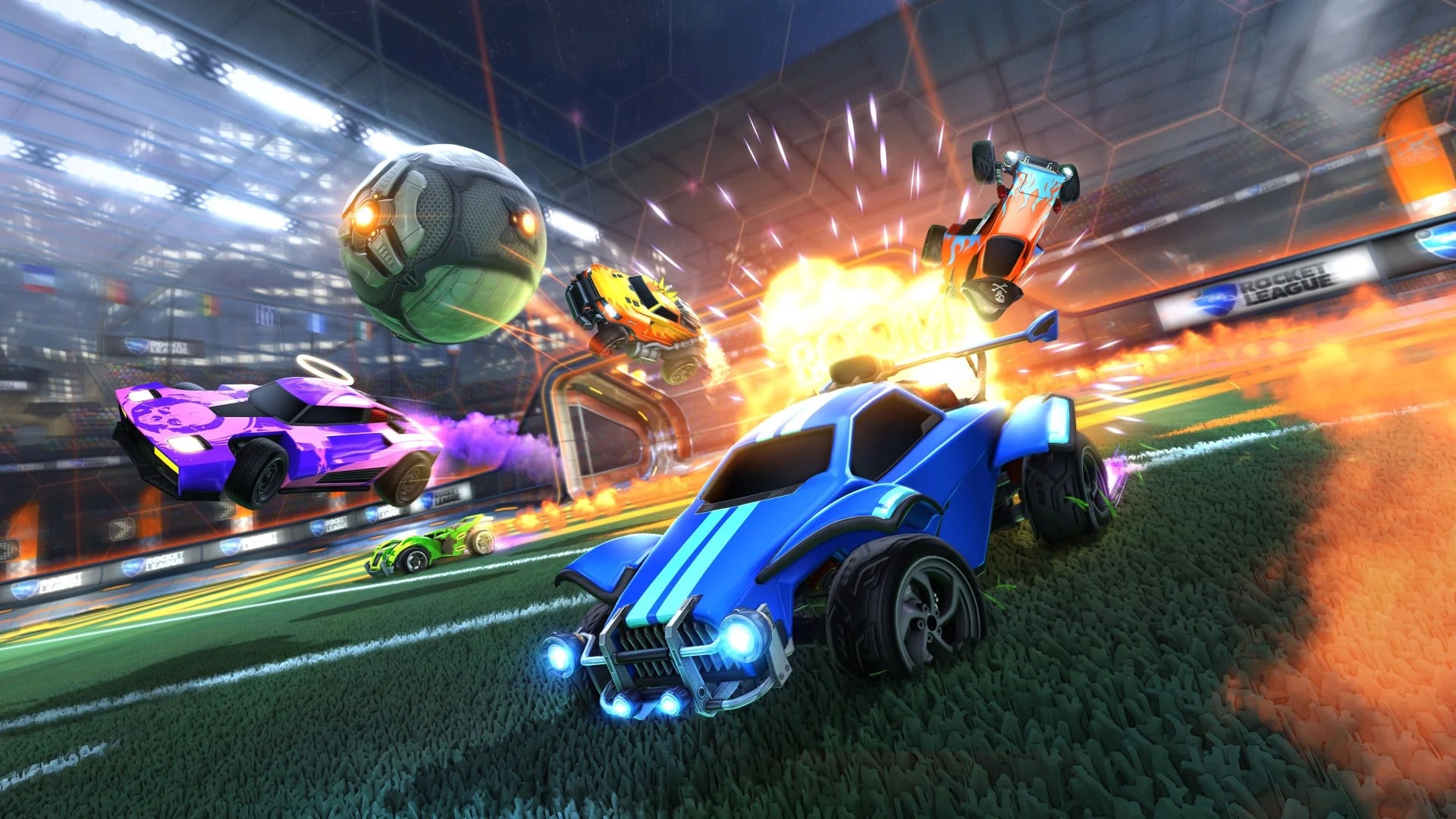
On Jan. 22, 2026 Psyonix issued Rocket League patch v2.64 delivering visual and performance upgrades for Nintendo Switch 2 users, including a removed Performance/Quality toggle, locked 1080p/60 FPS in docked mode, handheld dynamic resolution targeting 1080p/60FPS, higher texture quality, increased world detail, anisotropic filtering, ambient occlusion and higher-resolution shadows. The update is free and the game is free-to-play, so while the enhancements may modestly improve engagement and the Switch 2 user experience, they are unlikely to materially affect Nintendo's or Psyonix's financials absent accompanying monetization or user-growth data.
Market structure: This update is a small but measurable positive signal for Nintendo (NTDOY/7974.T) and the broader Switch 2 ecosystem — improved ports reduce friction for third-party live-service titles and should raise attach rates and digital spend modestly. Expect incremental digital revenue lift of 3–7% annualized for Nintendo if multiple F2P titles optimize similarly over 12 months; semiconductors (NVDA/AMD) win if they remain underlying IP/licensors for Tegra-class SoCs or toolchains. Competitive dynamics favor platforms with low friction for ports (Switch 2, Xbox Cloud) and pressure handheld-native incumbents (Valve/Steam Deck) over 6–24 months.
Risk assessment: Tail risks include Nintendo hardware supply shock (component shortages) or a regulatory crackdown on live-service monetization that could shave 5–15% off expected digital revenue growth; Epic/Nintendo legal/regulatory outcomes are low-probability but high-impact. Near-term (days–weeks) market impact likely negligible; short-term (1–3 months) watch engagement metrics and eShop spend; long-term (12–24 months) depends on sustained third-party investment and SKU sell-through. Hidden dependency: update value scales with Switch 2 installed base growth — if sell-through stalls, developer ROI evaporates.
Trade implications: Direct plays: small, disciplined exposure to NTDOY to express console-cycle durability; tactical NVDA/AMD exposure as optionality on continued SoC/toolchain adoption. Use options to cap downside — e.g., NVDA 6–12 month call spreads sized 1–2% notional; pair trades: long NTDOY vs. short small-cap PC-handheld or accessory names where competition tightens. Time entries ahead of Nintendo earnings/hardware sell-through prints (2–6 weeks), and trim on sequential sell-through misses >5% QoQ.
Contrarian angles: Consensus downplays cumulative effect of iterative graphical parity — each major optimized AAA/F2P port can boost engagement persistently (not just a one-off), implying 8–15% higher LTV for anchored titles over 12 months. Reaction is likely underdone for platform incumbents (NTDOY) and overdone for specialty handhelds; unintended consequence: smaller studios face higher patching costs, causing consolidation that benefits large publishers and platform holders.
AI-powered research, real-time alerts, and portfolio analytics for institutional investors.
Request DemoOverall Sentiment
mildly positive
Sentiment Score
0.25
