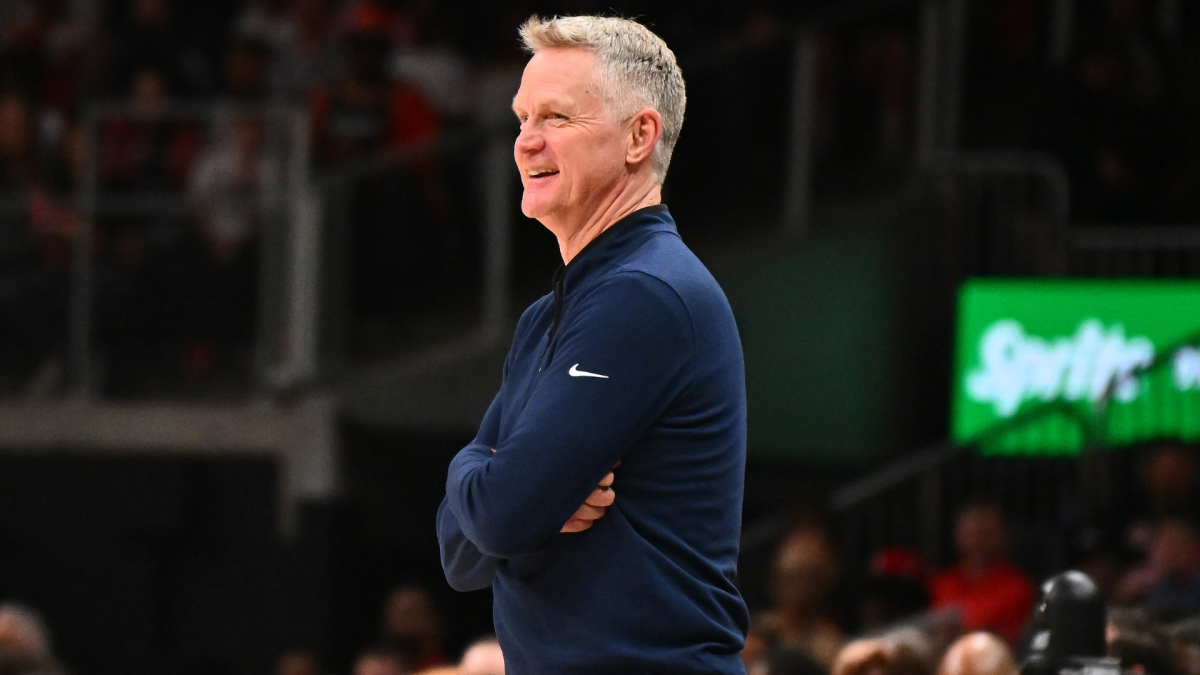
Steve Kerr is reportedly returning to the Golden State Warriors on a new two-year deal, extending a 12-year tenure that has produced four championships. The move provides coaching continuity for a franchise still centered around Stephen Curry, who has one year left on his contract, and suggests an aggressive offseason push to add another star. The article is largely a succession and roster-outlook update rather than a material market-moving event.
This is less a coaching story than a governance signal: the franchise has chosen continuity to preserve optionality around a final, aggressive roster swing. In market terms, the expected value of a “last dance” strategy rises when the decision-makers are synchronized around one short time horizon; that should increase urgency and reduce internal resistance to costly, high-variance moves. The likely second-order effect is not just one more push, but a higher willingness to absorb future flexibility costs now in exchange for a non-trivial probability of a championship-level tail outcome.
The key risk is that the return of a legacy coach can mask strategic stagnation. Continuity on the bench is helpful only if it unlocks a new acquisition path; otherwise it can delay a true rebuild by 6-18 months and leave the roster in an awkward middle state as the core ages out. If the big swing fails, the organization could face a compressed transition window with diminishing trade chips and a weaker performance baseline, which matters because aging cores tend to re-rate quickly once competitive decline becomes visible.
From a positioning standpoint, the real trade is around volatility in team-building intent rather than on-court outcomes. The market is likely underpricing how much a renewed win-now mandate can amplify rumors, transaction activity, and headline risk over the next 1-3 months, especially around superstar targets. The contrarian angle is that a coaching renewal can be a short-term sentiment boost while actually signaling that management has limited conviction in a longer rebuild; that tends to make the eventual reset more abrupt, not less.
For investors who can trade the narrative, this favors event-driven exposure to adjacent nameplates that benefit from heightened offseason speculation rather than directional bets on the team itself. The sharper edge is in timing: the catalyst window is now through the offseason decision cycle, with any failed acquisition attempt likely to reprice expectations quickly. If the roster swing lands, you get a short-lived upside impulse; if it misses, the downside is a slower but more durable erosion of championship probability and fan/equity sentiment.
AI-powered research, real-time alerts, and portfolio analytics for institutional investors.
Request DemoOverall Sentiment
mildly positive
Sentiment Score
0.15
