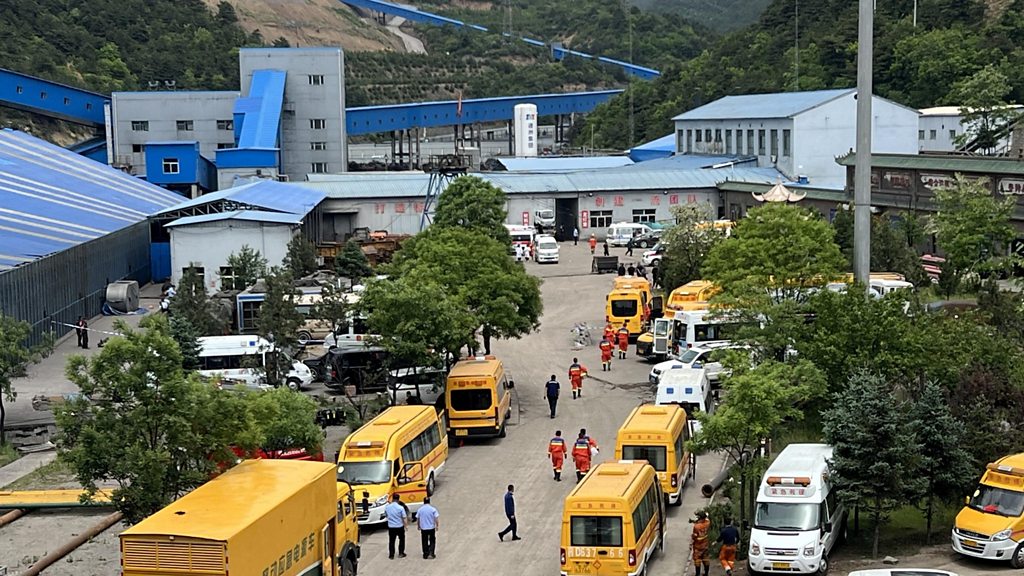
At least 90 people have been killed in a gas explosion at a coal mine in northern Shanxi Province, China, with rescue operations still underway for injured and missing workers. The event is a major human tragedy and highlights operational and safety risks in the coal sector. Broader market impact is likely limited, though it may draw attention to Chinese mining regulation and supply risks in thermal coal.
This is a near-term bullish shock for seaborne thermal coal, but the bigger market effect is on confidence in Chinese domestic supply rather than headline tonnage alone. When a major incident happens in Shanxi, regulators typically respond with inspections, temporary closures, and stricter enforcement across a broader set of mines, which can remove materially more supply than the initial site outage. That creates a second-order squeeze in local coal availability just as power utilities and steelmakers are already sensitive to policy-driven inventory swings.
The most interesting read-through is to Chinese coal miners and the downstream power complex. Safer, better-capitalized producers can gain share if smaller operators are idled, while independent generators and coastal buyers face higher spot procurement costs and more volatile delivered pricing over the next 2-6 weeks. If inspections propagate, the market could see a short-lived but sharp rise in domestic coal prices, with the strongest pricing power likely in higher-quality thermal coal rather than metallurgical coal.
From a risk perspective, the trade is more event-driven than structural: the shock fades if Beijing rapidly normalizes production or releases stockpiles, but the tail risk is a broader safety campaign that lingers for months. The key catalyst to watch is whether authorities pair the rescue response with province-wide mine audits; that would turn a tragic one-off into a supply tightening narrative. Contrarian view: the market may underprice the probability that policy response matters more than the physical loss at this single mine, especially given China’s tendency to sacrifice marginal supply for safety and political optics.
AI-powered research, real-time alerts, and portfolio analytics for institutional investors.
Request DemoOverall Sentiment
extremely negative
Sentiment Score
-0.85
